
The Bolduc House Museum and LeMeilleur House – Two Centuries, Two Homes, One Remarkable Story
In the heart of Ste. Genevieve’s Historic District, two neighboring houses tell one of the most compelling stories in American frontier history. The Louis Bolduc House and the LeMeilleur House, separated by just a few decades and a few yards, offer visitors a rare opportunity to witness how French Creole culture evolved during the pivotal years when the Mississippi Valley transitioned from colonial outpost to American heartland. Together, these homes create a living timeline of cultural adaptation, architectural evolution, and the persistence of identity in the face of dramatic change.
The Louis Bolduc House: Portrait of Prosperity in French Colonial America
The Man Behind the House
Louis Bolduc wasn’t just a homeowner—he was a force in colonial Ste. Genevieve’s economic and social life. As a prosperous French Creole merchant, Bolduc built his fortune through a combination of fur trading, lead mining interests, agricultural production, and general merchandising. His business networks stretched from New Orleans up the Mississippi and Missouri rivers, connecting Ste. Genevieve to broader colonial commerce.
But Bolduc’s influence extended beyond business. He served as a community leader. His home reflected not just personal wealth but community standing—this was a house that announced its owner’s importance and sophistication.
Architecture That Tells a Story
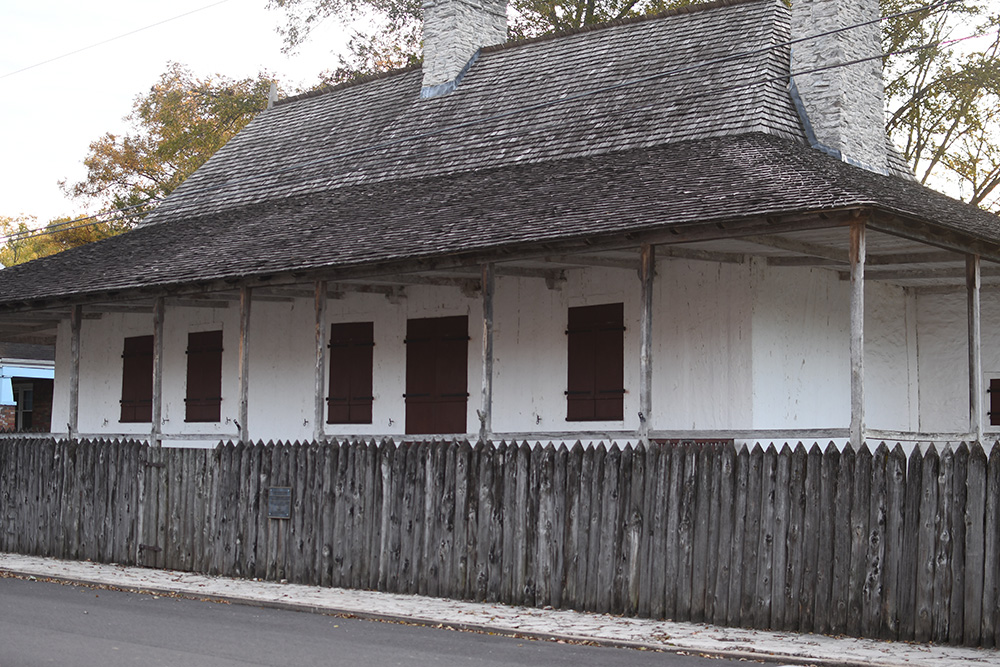
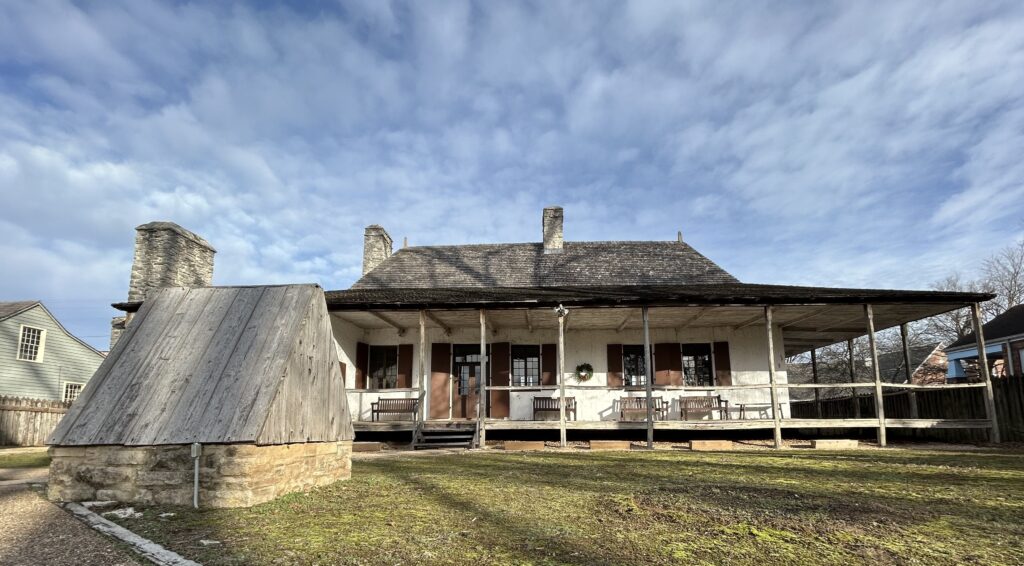
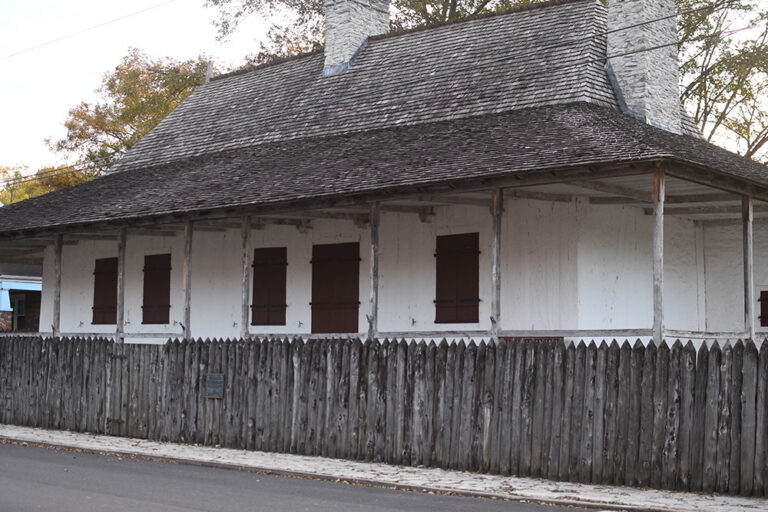
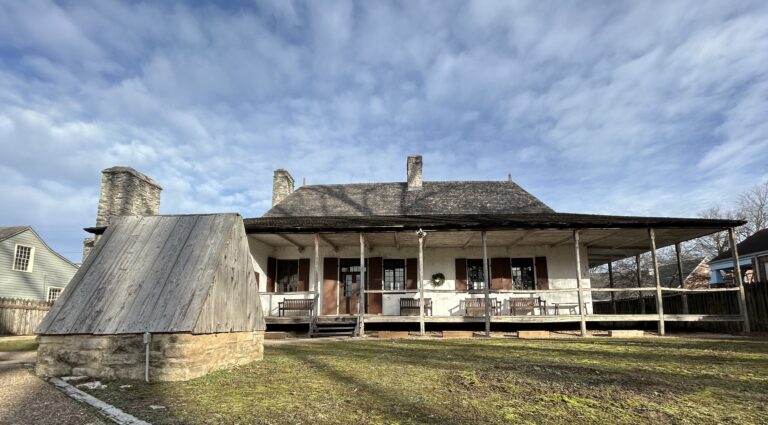
Built in the late 18th century, the Louis Bolduc House showcases the distinctive French Creole vertical timber style of architecture. This building tradition represents a remarkable cultural synthesis, blending French Canadian construction techniques adapted from Norman peasant building traditions, modified in response to North American materials and climate.
The vertical log construction (poteaux-sur-solle, or posts-on-sill) features heavy hand-hewn cedar logs set vertically on a stone foundation and sill beam, creating walls that are both structurally sound and culturally distinctive. The characteristic steep-pitched roof—practical for shedding rain and snow—echoes French Canadian origins while adapted to Mississippi Valley weather patterns. The surrounding galerie (porch) wrapping around the house provides shaded outdoor living space essential in the region’s hot, humid summers—a design element that would later influence Southern plantation architecture.
Inside, the house follows the traditional French colonial floor plan: rooms arranged symmetrically around a central hall, with specific spaces designated for different aspects of domestic and commercial life. Remember that merchants like Bolduc often conducted business from their homes, so the house served multiple functions simultaneously.
A National Historic Landmark
The Bolduc House’s designation as a National Historic Landmark places it among the most significant historic properties in the United States—a recognition reserved for sites that possess exceptional value in commemorating or illustrating American history.
That designation reflects several factors: the house’s exceptional state of preservation, its representation of French Creole architecture at its most accomplished, its association with significant historical patterns (French colonial commerce and settlement), and its role in telling the broader story of cultural diversity in early America.
The meticulous 1950s restoration to the house’s 1790s appearance was itself a significant preservation achievement. At a time when many historic buildings were being demolished or “modernized,” the decision to carefully restore the Bolduc House to its colonial-era appearance demonstrated remarkable foresight.
Immersed in Authenticity: The Furnishings
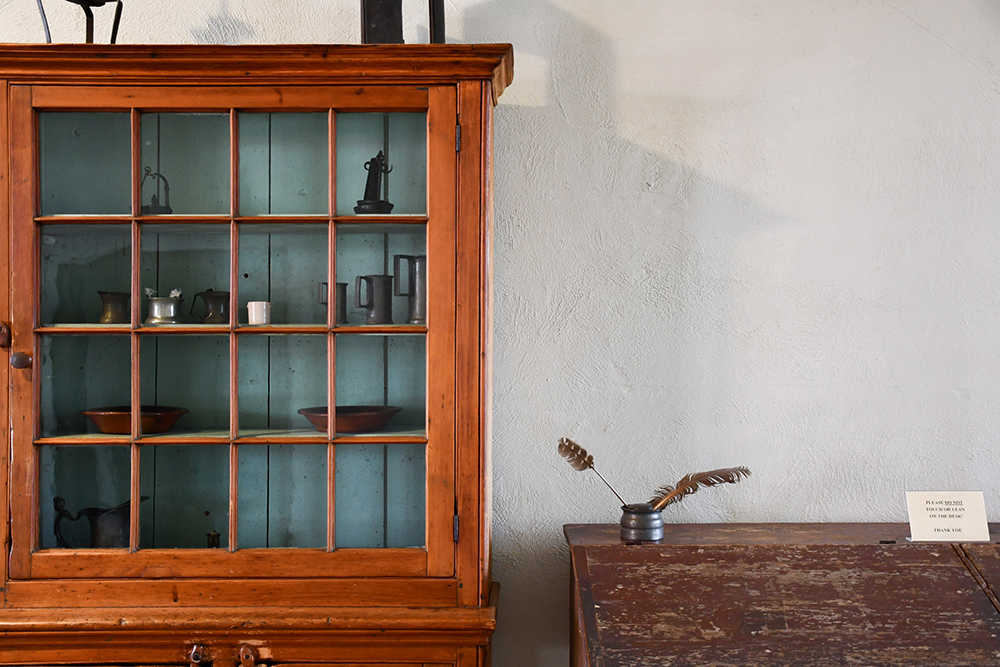
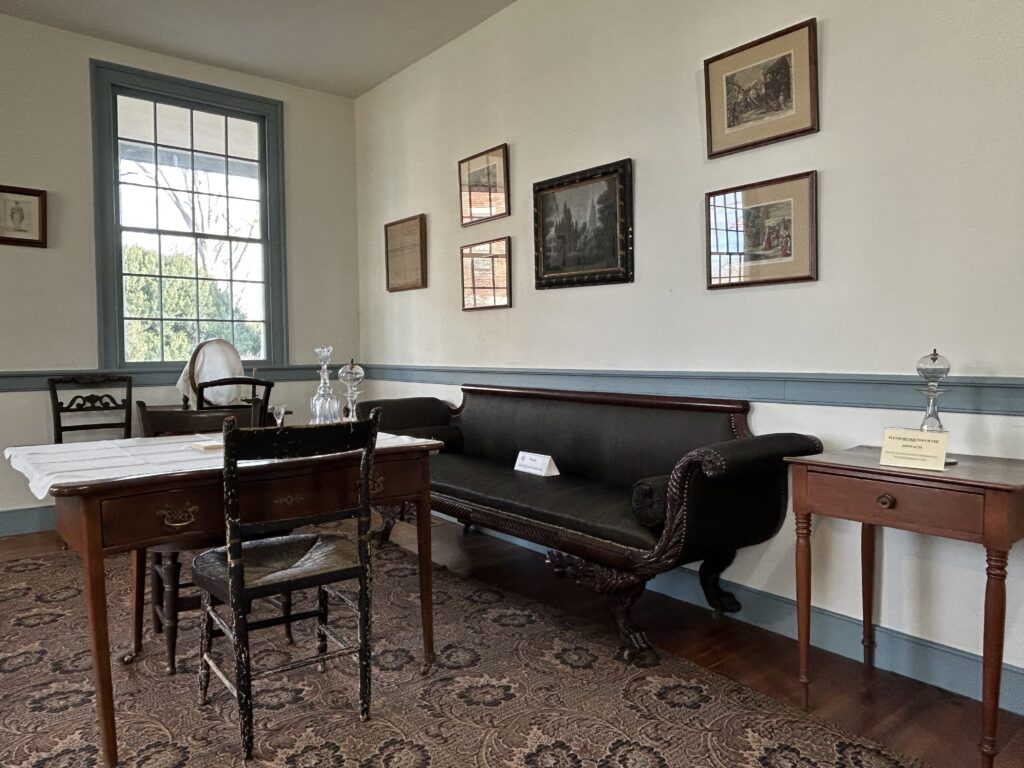
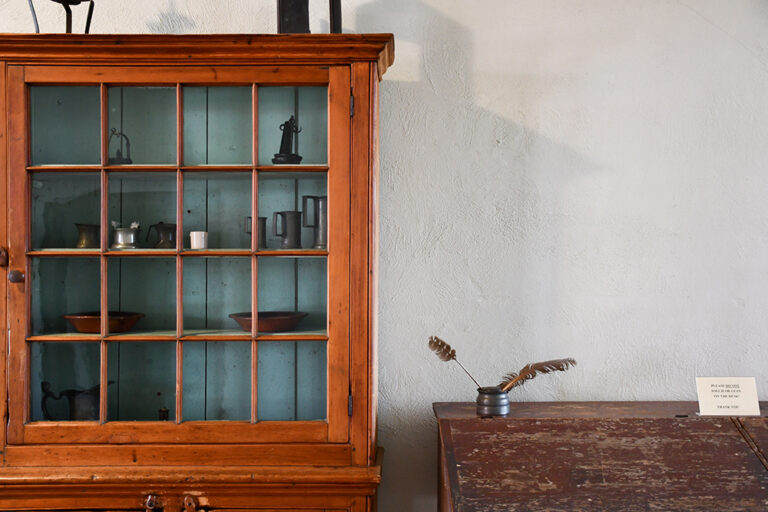
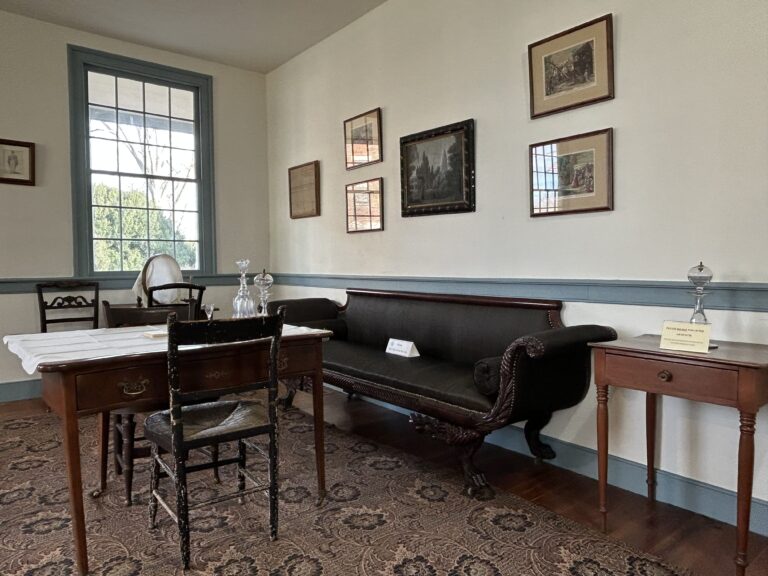
What makes the Bolduc House truly exceptional isn’t just the architecture—it’s the fully furnished interior that transports visitors into the material culture of late 18th and early 19th-century French Creole life. These aren’t reproduction pieces or generic “old-looking” furniture. The house contains original period artifacts, each carefully selected to represent the kinds of objects that would have been used by a prosperous merchant family in colonial Ste. Genevieve.
The Grounds
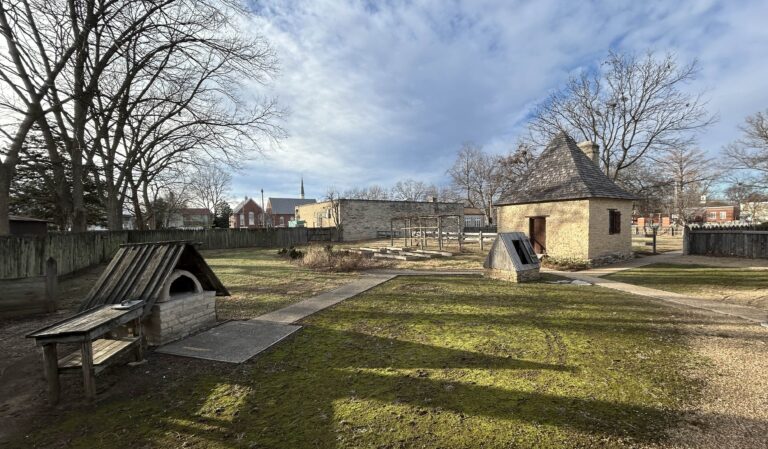
The Bolduc property consists of more than just the main house, including a kitchen building (separate from the main house to reduce fire risk and keep cooking heat out of living spaces), and the gardens, reconstructed based on historical evidence, that demonstrate French colonial horticultural practices. Raised bed gardens provided vegetables, herbs for cooking and medicine, and perhaps flowers for religious observances and domestic pleasure. The gardens represent both practical necessity (food production) and cultural persistence (French gardening traditions maintained in frontier conditions).
The LeMeilleur House: Evolution and Continuity
A Granddaughter’s Home
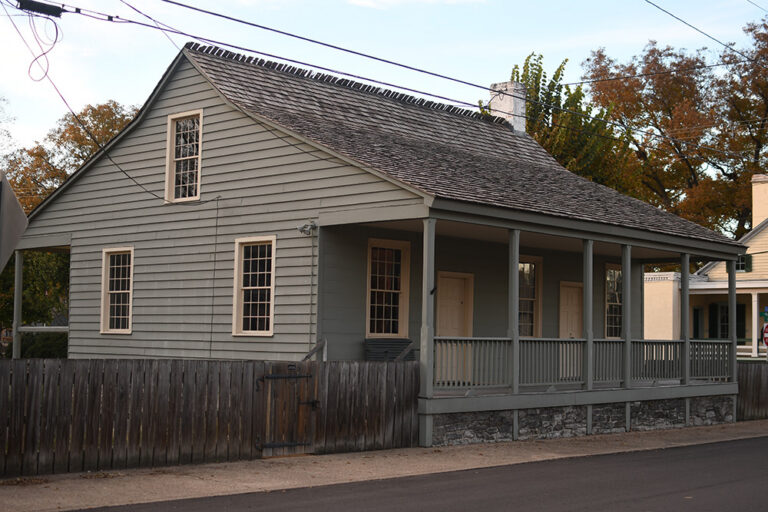
Built around 1820 by one of Louis Bolduc’s granddaughters, the LeMeilleur House represents the next generation—people who grew up in colonial Ste. Genevieve but came of age in American Missouri. This generational perspective is crucial for understanding cultural evolution. The granddaughter who built this house was raised with French Creole traditions, spoke French as her primary language, worshipped in the Catholic church, and learned domestic skills from her French colonial elders. Yet she built her home in an era of American statehood, increasing American immigration, English language influence, and new commercial connections.
Architectural Evolution
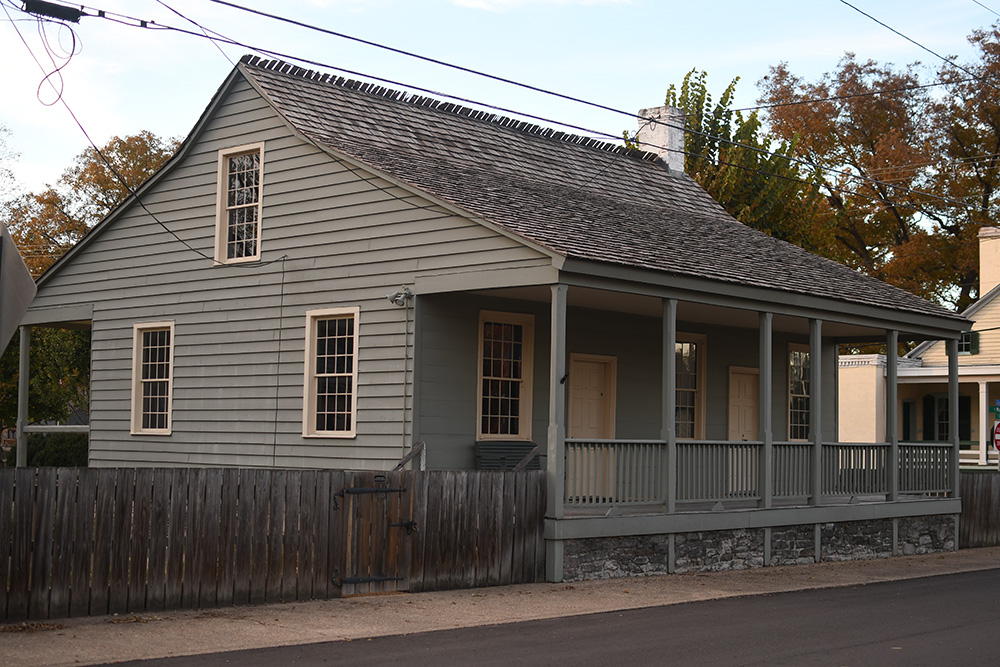
While still recognizably French Creole in basic form and construction, the LeMeilleur House shows subtle but significant evolution from the Bolduc House built only about 30 years earlier. Details in construction, room arrangements, decorative elements, and finishing reveal American influences creeping into what remains fundamentally French Creole architecture.
Compare the two houses carefully during your tour: notice differences in fenestration (window placement and size), door styles, interior trim work, paint colors, and spatial organization. These differences aren’t random—they reflect changing tastes, new material availability, American building practices influencing French traditions, and the owner’s choices about which elements of style to adopt or maintain.
The LeMeilleur House represents architectural transition—not fully American, but no longer purely colonial French either. It’s a hybrid architecture for a hybrid cultural moment, when Ste. Genevieve’s French population was negotiating identity in an American context.
Furnished Stories of Change and Continuity
Like the Bolduc House, the LeMeilleur House is furnished with original period artifacts, but these artifacts date from a slightly later period and reveal fascinating shifts in material culture:
What Changed: Certain furniture styles reflect American Federal and Empire influences rather than purely French colonial designs. Some objects—perhaps certain types of ceramics, glass, or metal goods—come from American manufacturers rather than French or Spanish colonial sources.
What Persisted: French language use in the household (evidenced by French-language documents, books, religious materials). Catholic religious practices and associated objects. Certain food preparation traditions and associated implements. French Creole social customs reflected in entertaining spaces and serving pieces. Core cultural values about family, hospitality, and community life.
Daily Life Revealed
Both houses excel at illustrating not just what objects people owned, but how they actually lived:
Morning Routines: How did people wake (no alarm clocks)? How did they manage personal hygiene (no running water)? What did breakfast preparation involve?
Work Rhythms: How did the merchant conduct business? How did women manage household production? Where did different family members work throughout the day?
Social Life: How and where did families entertain guests? What did hospitality look like in French Creole culture? How did religious observance structure daily and weekly life?
Seasonal Rhythms: How did households adapt to summer heat (no air conditioning) and winter cold (limited heating)? How did food preservation work without refrigeration?
Family Dynamics: Where did different family members sleep? How were children raised? What were relationships like between family members, between employers and servants, between French Creoles and enslaved people (a painful but essential part of this history)?
The Broader Significance: Why These Houses Matter
Multicultural American Heritage
The standard American history narrative often focuses on English colonial settlements on the Atlantic coast, westward expansion, and the triumph of Anglo-American culture. The Bolduc and LeMeilleur houses tell a different, equally American story: French colonization of the Mississippi Valley, persistence of French culture after American acquisition, and the multicultural reality of American nation-building.
These houses remind us that “American” identity has always been diverse, contested, and evolving. The French Creoles of Ste. Genevieve were Americans—but Americans whose language, religion, legal traditions, architecture, and cultural practices differed dramatically from those of their Anglo-American neighbors. Understanding their experience complicates and enriches our understanding of American history.
The Louisiana Purchase from the Other Side
We typically learn about the Louisiana Purchase (1803) from the American perspective: a brilliant diplomatic and territorial coup that doubled the nation’s size and secured control of the Mississippi River. The Bolduc and LeMeilleur houses help us understand this event from the perspective of the approximately 50,000 people—French, Spanish, African, Native American, and mixed heritage—who lived in the Louisiana Territory and suddenly became Americans without moving.
Architectural Heritage
French Creole vertical log architecture is rare and geographically concentrated. Ste. Genevieve possesses the largest and finest collection of these buildings anywhere in the United States. The Bolduc and LeMeilleur houses are premier examples of this architectural tradition at different moments in its evolution.
These buildings represent sophisticated responses to environmental conditions using available materials and inherited building knowledge. They demonstrate that frontier architecture wasn’t crude or primitive—it was often highly refined, adapted to purpose, and aesthetically accomplished.
Preserving and interpreting these houses helps maintain knowledge of construction techniques, design principles, and craft traditions that might otherwise be lost. They’re textbooks in three dimensions, teaching us about historical building practices and cultural approaches to shelter, comfort, and beauty.
Economic History
The Bolduc House in particular illustrates the economic networks that sustained frontier communities. Louis Bolduc’s mercantile activities connected Ste. Genevieve to New Orleans, St. Louis, surrounding Native nations, lead mining districts, agricultural producers, and distant manufacturers. The goods in his household—some locally produced, some imported from great distances—map these commercial connections and demonstrate the surprising sophistication of frontier commerce.
Your Guided Tour Experience
Expert Interpretation
These houses are experienced exclusively through guided tours, and there’s good reason for this format. While self-guided touring offers flexibility, guided tours provide crucial interpretation that transforms house museums from mere displays of old objects into meaningful historical experiences.
Your tour guides are knowledgeable interpreters who understand not just individual facts but broader historical contexts. They can explain why architectural details matter, how artifacts relate to daily life, what cultural patterns the furnishings reveal, and how these specific houses illustrate larger historical processes.
Guides field questions, adapt their presentation to different audiences (families with children receive different emphasis than adult history enthusiasts), point out details you might otherwise miss, and help you make connections between what you’re seeing and bigger historical ideas.
Comparative Perspective
The tour structure—visiting both houses sequentially—creates built-in comparison. You’ll naturally notice differences and similarities between the Bolduc House (1790s) and LeMeilleur House (1820s). This comparison makes evolution and persistence tangible rather than abstract.
Your guide will help you understand what these differences mean: which changes reflect response to American influence, which represent evolution in French Creole culture itself, which result from personal choice versus broader cultural pattern.
Respectful Engagement
The guided format also helps protect these irreplaceable historic resources. Staff oversight ensures that visitors don’t accidentally damage fragile artifacts, that architectural elements aren’t touched or stressed, and that the houses remain in excellent condition for future generations.
Tour Logistics and Planning
Tour Schedule and Timing
Tours depart every hour on the half-hour (30 minutes past each hour), except 12:30 p.m. This regular schedule provides flexibility while ensuring tours aren’t overly crowded. Plan your visit around these departure times, arriving a few minutes early to purchase tickets and prepare.
Tours typically last 45-60 minutes, though this can vary depending on group size, number of questions, and your guide’s pace. Allow additional time before or after for visiting the gift shop, exploring the grounds, or photographing the exteriors.
Where to Purchase Tickets
Tickets aren’t sold at the houses themselves. Instead, purchase them at the campus gift shop located inside the Centre for French Colonial Life at the corner of 2nd and Market Streets. This centralized ticket system serves multiple purposes:
- The Centre provides orientation information about all properties in the French Colonial America museum campus
- You can learn about the campus and plan your complete visit
- The gift shop offers books, toys, and collectable items related to what you’ll see on tours
- Staff can answer questions about the houses, schedules, and other historic sites in the area
Plan to stop at the Centre for French Colonial Life first, even if you’ve been to Ste. Genevieve before. This ensures you have current information and optimizes your historic district exploration.
Historic House Guided Tour
- Adults: $15 – A reasonable price for a guided tour of two National Historic Landmark properties with expert interpretation
- Students: $7 – Discounted rate making history accessible to young people and those in school
- Military with valid ID: FREE – Honoring military service with complimentary admission
These prices represent excellent value considering the quality of interpretation, significance of the properties, and role your admission plays in supporting preservation and educational programming.
Group Tours: Enhanced Experiences
Groups are not only welcome—they’re encouraged! However, calling ahead to schedule group tours ensures the best possible experience:
Benefits of Advance Group Scheduling:
- Guaranteed tour time that works for your group’s schedule
- Potential for enhanced or customized interpretation tailored to your group’s interests (school groups, genealogy societies, architecture enthusiasts, etc. might receive emphasis on different aspects)
- Accommodation of larger groups that might not fit comfortably in standard public tours
- Coordination with other activities or sites you’re visiting
- Potential for special programming or behind-the-scenes access
Ideal Groups Include:
- School field trips (with age-appropriate interpretation)
- History and preservation organizations
- Genealogical societies (especially those researching French colonial ancestry)
- Architecture and historical society tours
- Family reunions (particularly for descendants of French colonial families)
- Tour groups visiting Ste. Genevieve
- University classes studying architecture, history, French language, material culture, or historic preservation
Accessibility and Special Needs
When calling to schedule group tours, discuss any accessibility requirements or special needs. While historic houses present inherent accessibility challenges (narrow doorways, stairs, historic floor surfaces), staff can often work with groups to maximize the experience for all visitors. They may be able to provide alternative ways to experience content, offer extensive verbal description for visually impaired visitors, or adapt tours for various needs.
Location and Context
In the Heart of the Historic District
The Bolduc House Museum’s location in Ste. Genevieve’s Historic District isn’t incidental—it’s integral to the experience. The houses exist within their original context, surrounded by other historic buildings, churches, and streetscapes that help visitors understand how the historic town functioned as a complete community. Each historic site and museum facility in the vicinity tells a different part of the story.
Within easy walking distance, you’ll find:
- Other French colonial homes and historic buildings
- The Centre for French Colonial Life with changing exhibits
- The historic Catholic church
- Downtown shops in historic buildings
- Restaurants serving local cuisine
- The Ste. Genevieve Welcome Center
- Ste. Genevieve National Historical Park properties
- Felix Valle State Historic Site
- The Ste. Genevieve Antique Mall, featuring 200 booths offering a wide variety of items
This walkability means you can experience multiple layers of Ste. Genevieve’s history in a single visit, creating a comprehensive understanding that isolated historic sites can’t provide.
Why Your Visit Matters
Supporting Preservation
Your admission fee directly supports the ongoing preservation, interpretation, and operation of these National Historic Landmark properties. When you purchase tickets, you’re investing in preservation. You’re helping ensure these houses remain accessible, well-maintained, and properly interpreted for future visitors.
Educational Impact
The Bolduc and LeMeilleur houses serve crucial educational functions. School groups, researchers, preservationists, and general visitors all learn from these properties. Your visit, your questions, and your engagement contribute to the ongoing educational mission.
Museums learn from their visitors. The questions you ask, the aspects that interest you, the interpretive gaps you identify—all help shape how these houses are presented and explained.
Cultural Heritage
For descendants of French Creole families, these houses represent ancestral heritage—tangible connections to forebears and cultural traditions. For all Americans, they represent important chapters in our national story that deserve understanding and appreciation.
Visiting, learning, and sharing what you’ve learned helps keep French colonial heritage alive in public consciousness. It ensures this multicultural dimension of American history remains visible and valued rather than forgotten.
Economic Support
Heritage tourism benefits Ste. Genevieve’s entire economy. Visitors to the Bolduc and LeMeilleur houses often eat in local restaurants, shop in downtown stores, stay in area lodging, and visit other attractions. Your visit contributes to the economic vitality of a small town that has invested heavily in preserving its historic character.
An Invitation
The Bolduc House Museum and LeMeilleur House offer something increasingly rare: authentic engagement with the past in places where history actually happened. These aren’t reconstructions or replicas—they’re real houses where real people lived real lives, preserved and interpreted so we can understand our complex, multicultural American heritage.
Whether you’re a history enthusiast, an architecture buff, a descendant researching family heritage, an educator seeking field trip destinations, or simply a curious traveler, these houses welcome you. Come experience two centuries of French Creole life. Come see how ordinary people created extraordinary homes on the frontier. Come understand the sophisticated culture that flourished in the Mississippi Valley.
Sorry, no records were found. Please adjust your search criteria and try again.
Sorry, unable to load the Maps API.