





Harold’s Famous Bee Co. – Where a Market Street Storefront, Patent-Approved Bee Venom Therapy, and Artisan Honey Create Sainte Geneviève’s Sweetest Science
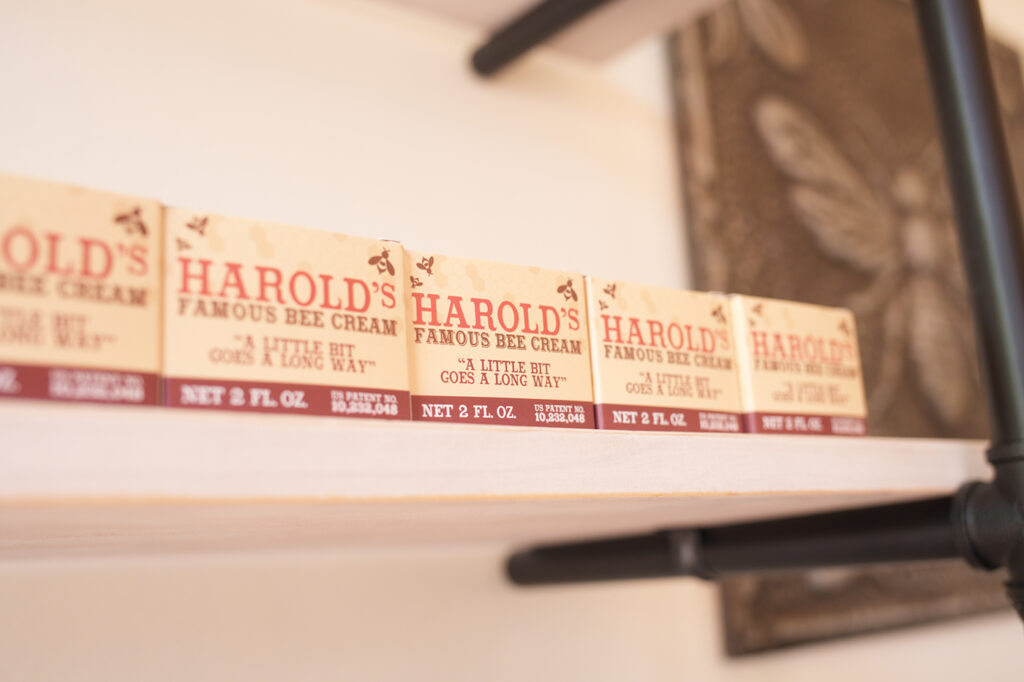
Most honey shops sell jars of golden sweetness and maybe a few beeswax candles. Harold’s Famous Bee Co. certainly offers that—local honey for sampling and purchase, rotating selections from different regional suppliers each week, and the kind of artisan honey products that elevate the simple bee into a symbol of nature’s pharmaceutical genius. But what distinguishes Harold’s from every other honey vendor in Missouri (and perhaps the nation) is their flagship product: Harold’s Famous Bee Cream, the only patent-approved formulation that harnesses the healthy benefits of honey bee venom to effectively soothe joints, muscles, and dry, rough skin. This isn’t folk remedy passed down through generations or alternative medicine making unverifiable claims. This is patented science extracting venom from honey bees through a unique method that causes no harm to the bees, then formulating that venom into topical cream that customers swear provides relief that conventional treatments couldn’t match.
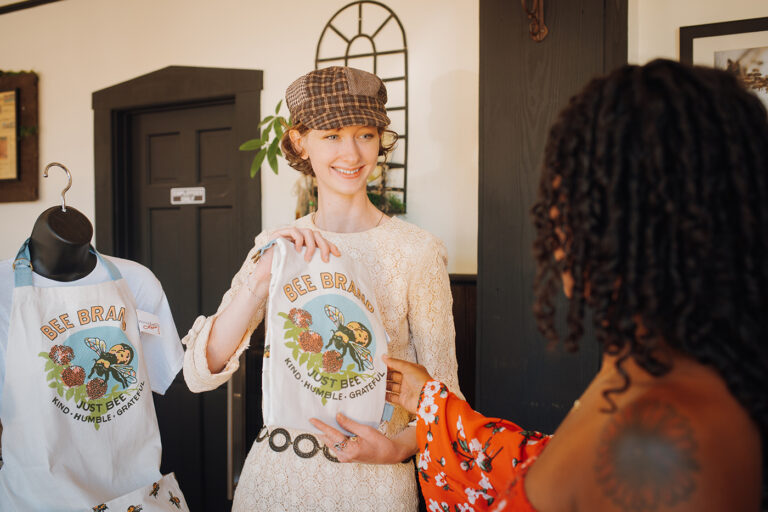
Located at 234 Market Street in downtown Sainte Geneviève’s historic district, Harold’s Famous Bee Co. occupies the intersection of traditional apiculture (beekeeping), modern pharmaceutical science, artisan food production, and small-town retail charm. The shop is open Fridays and Saturdays (10:00 AM to 4:00 PM)—limited hours reflecting a small operation focused on quality and education rather than maximizing foot traffic. When you visit, you’re not just shopping; you’re learning about the remarkable honey bee, sampling honey varieties that taste nothing like the generic supermarket squeeze bottles, discovering bee venom therapy that sounds too good to be true until you try it on your arthritic knee or chronically dry hands, and possibly leaving with honey ice cream or mead (honey wine) that expands your understanding of what bees provide beyond sweetness.
For visitors interested in natural remedies, local food sourcing, the science of apiculture, or simply discovering unique products unavailable elsewhere, Harold’s Famous Bee Co. represents the kind of specialized, knowledge-driven retail that small towns nurture and tourists treasure—a place where the proprietor actually knows the product deeply, can explain the science behind bee venom extraction, and genuinely cares whether the cream works for your specific ailment rather than just making the sale.
This is honey elevated from commodity to craft, bees respected as partners rather than just exploited as workers, and retail experience transformed from transaction into education about one of nature’s most fascinating and beneficial insects.
The Flagship: Harold’s Famous Bee Cream and the Science of Bee Venom Therapy
Harold’s Famous Bee Cream represents the culmination of research, experimentation, and patent approval processes that distinguish genuine pharmaceutical innovation from unregulated supplements making dubious health claims. Understanding what makes this cream special requires exploring the science of bee venom, the extraction methodology, and the specific therapeutic applications that earned patent approval.
Bee Venom Basics:
Honey bee venom (also called apitoxin) is the complex mixture of compounds that bees inject when they sting. The venom contains:
- Melittin (the primary active compound with anti-inflammatory properties)
- Apamin (a neurotoxin in tiny therapeutic doses)
- Adolapin (anti-inflammatory and analgesic effects)
- Phospholipase A2 (enzyme affecting cell membranes)
- Hyaluronidase (enzyme promoting tissue penetration)
- Various peptides, proteins, and amino acids
When bees sting, they’re defending the hive by injecting venom that causes pain, swelling, and inflammation—the body’s immune response to foreign protein injection. However, in controlled therapeutic doses applied topically rather than injected, these same compounds can provide anti-inflammatory, analgesic (pain-relieving), and skin-conditioning benefits without the trauma of actual stings.
The Therapeutic Applications:
Bee venom therapy (apitherapy) has been used in traditional medicine for centuries, with documented use in ancient Greece, China, and Korea for treating arthritis, rheumatism, and various inflammatory conditions. Modern research has validated some of these traditional applications:
Joint Pain and Arthritis – The anti-inflammatory compounds in bee venom can reduce swelling and pain in arthritic joints. Multiple studies have shown that bee venom applications can provide relief for osteoarthritis and rheumatoid arthritis patients, though results vary individually.
Muscle Soreness – Athletes and people with chronic muscle pain report relief when using bee venom products. The compounds promote blood flow to affected areas, reduce inflammation, and may stimulate the body’s natural healing responses.
Skin Conditions – Bee venom’s antimicrobial properties combined with its ability to stimulate collagen production make it valuable for addressing dry, rough skin. The venom can help with conditions like eczema, psoriasis, and general skin aging by promoting tissue repair and maintaining skin moisture.
The Patent-Approved Formulation:
What elevates Harold’s Famous Bee Cream above generic bee venom products is the patent approval—a lengthy, rigorous process requiring:
- Demonstration of the formulation’s uniqueness (it must differ substantially from existing products)
- Documentation of the extraction and processing methods
- Evidence of efficacy (that it actually does what it claims)
- Safety verification (that it won’t harm users when applied as directed)
The patent approval means Harold’s formulation has survived scrutiny from the United States Patent and Trademark Office, which doesn’t grant patents to products that are merely conventional wisdom or obvious applications of known compounds. The approval signals genuine innovation in how the bee venom is extracted, preserved, formulated with carrier ingredients, and prepared for topical application while maintaining therapeutic effectiveness.
The Extraction Method: No Harm to Bees
Perhaps the most important aspect of Harold’s operation is the unique extraction method that causes no harm to the bees—addressing the primary ethical concern with bee venom collection.
Traditional Bee Venom Collection (problematic methods): Some historical approaches involved irritating bees to trigger stinging into collection membranes, then harvesting the dried venom. These methods stressed the bees and could result in bee deaths when stingers remained embedded in collection materials.
Harold’s Harm-Free Method (specific details would depend on the proprietary process): Modern ethical bee venom collection typically uses electrical stimulation methods where:
- A collection frame with fine wire mesh is positioned near the hive entrance
- Mild electrical pulses cause bees to release venom drops onto glass plates below the mesh
- The bees never actually sting anything, so their stingers remain intact
- The process doesn’t injure the bees or prevent them from continuing their normal hive activities
- The venom droplets dry on the glass and are carefully scraped off for processing
This humane approach aligns with the growing awareness of bee population declines and the importance of treating these essential pollinators ethically. Customers can use Harold’s Bee Cream knowing that no bees died to produce it—an important consideration for ethically-minded consumers who want therapeutic benefits without contributing to insect exploitation.
The Honey Selection: Local Suppliers and Weekly Rotations
Beyond the famous bee cream, Harold’s maintains its roots in traditional honey sales, but with the sophistication and variety that distinguishes artisan honey vendors from supermarket aisles.
Local Honey Emphasis:
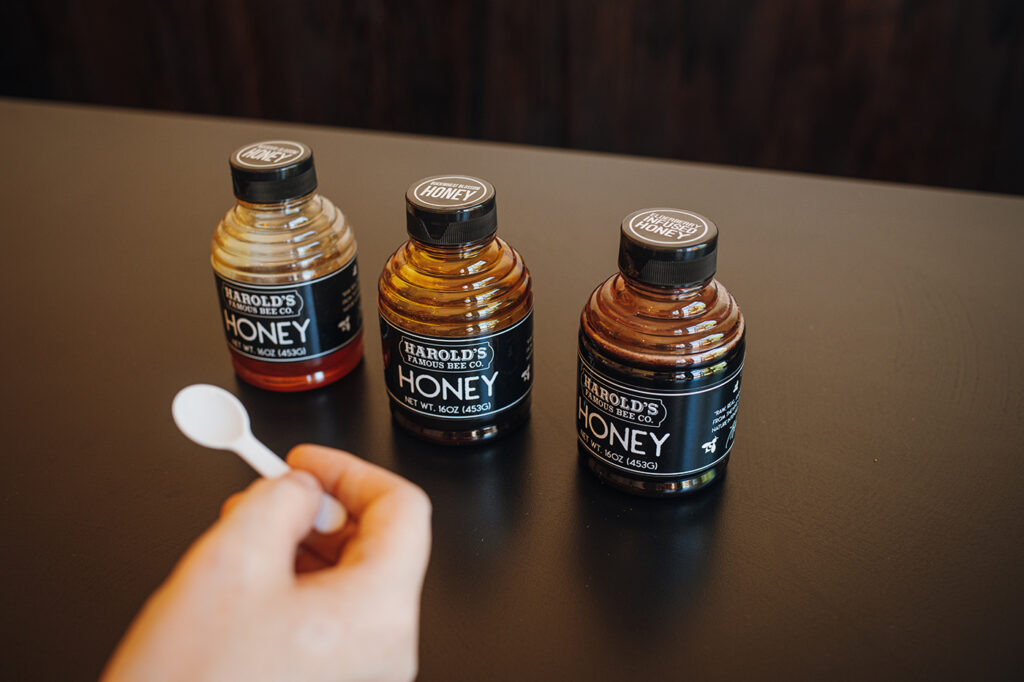
Harold’s features different local honey suppliers weekly, creating a rotating selection that:
- Supports regional beekeepers and small apiculture operations
- Provides honey with local pollen (believed by many to help with seasonal allergies when consumed regularly)
- Offers flavor variations based on the specific flowers and plants bees visited in different locations
- Creates repeat-visit incentive for locals who check what supplier is featured each week
- Educates customers about the diversity of honey beyond generic “clover honey” or “wildflower honey”
Honey Flavor Profiles:
Artisan honey varies dramatically based on floral sources:
Wildflower Honey – Complex, variable flavor depending on the specific wildflowers blooming when bees foraged. Each batch can taste slightly different, reflecting the season’s botanical diversity.
Clover Honey – Mild, sweet, traditional flavor most people associate with “honey taste.” Widely popular and versatile for cooking and table use.
Buckwheat Honey – Dark, robust, molasses-like flavor with strong character. Particularly high in antioxidants and favored by those who want honey’s health benefits in concentrated form.
Basswood/Linden Honey – Light color with distinctive woodsy-minty flavor. Less common and prized by honey enthusiasts for its unique taste.
Sourwood Honey – Considered one of the finest honey varieties, with delicate, complex flavor and light amber color. Relatively rare and commands premium prices.
Locust Honey – Very pale, mild flavor, slow to crystallize. Excellent for people who prefer subtle sweetness.
Regional Variations – Missouri’s diverse ecosystems (forests, prairies, agricultural lands) produce honey reflecting whatever’s blooming in each specific area, creating terroir similar to wine grapes.
Sampling Experience:
Harold’s allows customers to sample different honey varieties before purchasing—crucial for discovering preferences since honey’s flavor range spans from delicate and floral to bold and almost savory. The sampling process educates palates about honey’s complexity while ensuring customers leave with varieties they actually enjoy rather than generic choices made because the label looked nice.
The Extended Product Line: Beyond Honey and Cream
Harold’s Famous Bee Co. leverages every useful product that honey bees provide or that can be created using bee-derived ingredients:
Lip Balm:
Beeswax forms the traditional base for quality lip balm, providing:
- Natural moisturizing properties
- Protective barrier against wind and cold
- Pleasant texture without petroleum-based ingredients
- Often combined with honey and other natural ingredients for enhanced benefits
Harold’s lip balms likely feature beeswax from local hives, possibly enhanced with honey, propolis, or other bee products for superior lip conditioning compared to mass-market brands using minimal beeswax combined with synthetic ingredients.
Facial Creams:
The same bee venom benefits that help joints and muscles also apply to facial skin:
- Stimulates collagen production, reducing fine lines and wrinkles
- Provides anti-inflammatory benefits that calm irritated skin
- Offers antimicrobial properties helping with acne and blemishes
- Moisturizes dry facial skin with natural compounds
The facial creams represent bee venom therapy adapted for cosmetic applications, appealing to customers interested in natural anti-aging skincare rather than synthetic chemical formulations.
Honey Ice Cream:
This unexpected offering transforms Harold’s from purely health-and-wellness shop into dessert destination:
Honey ice cream differs from conventional ice cream by:
- Using honey as the primary sweetener instead of refined sugar
- Creating a unique flavor profile where honey’s floral notes complement cream’s richness
- Potentially offering different flavors based on the specific honey varieties used
- Providing a more natural sweetener option (though still sugar in different form)
The ice cream likely appeals to:
- Families with children seeking treats during downtown Sainte Geneviève explorations
- Honey enthusiasts curious about how different varieties taste in frozen dessert form
- Health-conscious consumers who prefer honey over refined sugar (though both are caloric sweeteners)
- Visitors wanting unique local food experiences beyond standard tourist fare
Mead (Honey Wine):
Mead is perhaps humanity’s oldest fermented beverage—simply honey, water, and yeast allowed to ferment into an alcoholic drink. The presence of mead at Harold’s indicates:
Historical Connection – Mead production dates back thousands of years, connecting modern customers to ancient beverage traditions.
Craft Beverage Movement – Mead has experienced renaissance as part of the broader craft alcohol movement, with meaderies opening nationwide and consumers seeking alternatives to beer and grape wine.
Honey Showcase – Mead’s flavor depends entirely on the honey used, making it the ultimate expression of honey’s character. Different honey varieties produce dramatically different meads.
Local Production – Harold’s may partner with local meaderies or produce their own, creating Missouri mead from Missouri honey.
Varieties:
- Traditional Mead (just honey, water, yeast)
- Melomel (mead with fruit additions)
- Metheglin (mead with spices and herbs)
- Cyser (mead made with apple juice/cider)
The mead sales transform Harold’s into a destination for adults seeking craft beverages, expanding the customer base beyond the health-and-wellness demographic interested in bee venom cream.
The Education Component: Understanding Bees Beyond Products
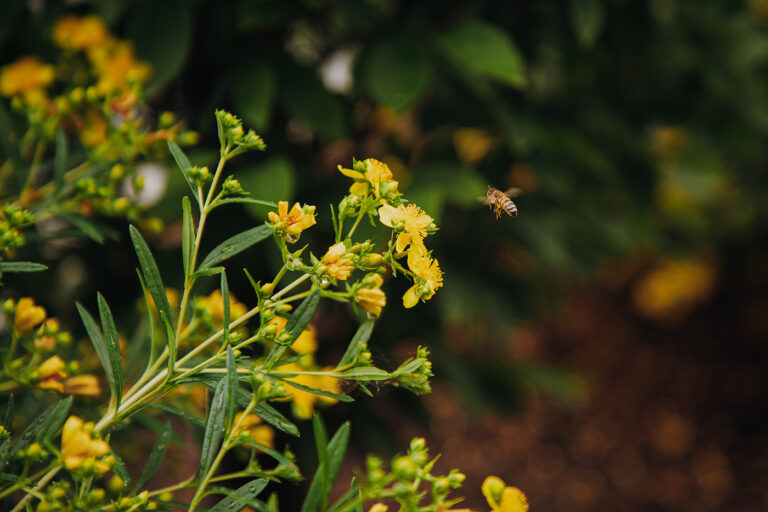
Quality specialty shops like Harold’s don’t just sell products—they educate customers about the remarkable creatures producing them. The honey bee (Apis mellifera) deserves appreciation beyond its role as sweetener provider:
Pollination Services:
Honey bees are responsible for pollinating approximately one-third of the food crops humans consume. Without bee pollination:
- Apples, almonds, berries, melons, and countless other fruits wouldn’t set fruit
- Many vegetables would fail to produce
- Food prices would skyrocket as scarcity increased
- Ecosystems would collapse as plants failed to reproduce
The economic value of bee pollination services far exceeds the value of honey production, making bees essential agricultural partners rather than just honey producers.
Hive Organization:
A single honey bee colony contains:
- One queen (laying up to 2,000 eggs daily)
- Several hundred drones (males whose only function is mating)
- 30,000-60,000 worker bees (sterile females performing all hive labor)
The workers are divided by age into different roles:
- Young workers become nurse bees caring for larvae
- Middle-aged workers build comb, process nectar, and guard the hive
- Older workers become foragers, visiting flowers and bringing back nectar and pollen
This age-based division of labor creates a remarkably efficient society where each bee’s life follows a predetermined progression serving the colony’s needs.
Honey Production:
Creating one pound of honey requires:
- Approximately 2 million flower visits by forager bees
- Nectar from roughly 2-4 million flowers (depending on nectar concentration)
- Countless hours of labor processing nectar into honey through evaporation and enzymatic conversion
- Storage in beeswax cells the bees construct themselves from wax secreted by special glands
Understanding this effort makes each jar of honey more valuable—it represents thousands of hours of bee labor and millions of flower visits, all coordinated through the hive’s social organization.
Bee Conservation:
Honey bee populations have faced significant challenges:
- Colony Collapse Disorder (CCD) causing mysterious hive deaths
- Varroa mite infestations weakening colonies
- Pesticide exposure (particularly neonicotinoids) harming bees
- Habitat loss reducing available forage and nesting sites
- Climate change affecting plant-pollinator timing synchronization
Supporting operations like Harold’s that treat bees humanely, educate the public about their importance, and promote sustainable apiculture contributes to bee conservation efforts. Every purchase helps maintain beekeeping operations that preserve bee populations while producing valuable products.
The Location: 234 Market Street in Historic Downtown
Harold’s Famous Bee Co.’s position at 234 Market Street places it in the heart of Sainte Geneviève’s historic downtown shopping district, convenient for tourists exploring French colonial sites and locals running errands on Market Street.
From Harold’s, you can walk to:
- Ste. Genevieve National Historical Park historic houses (several blocks)
- The Anvil Saloon & Restaurant (nearby on 3rd Street)
- Ste. Genevieve Antique Mall (500 Market Street)
- Downtown shops, galleries, and boutiques
- Restaurants including Stella and Me, Oliver’s, American Custard Co.
- The Mississippi River overlooks (short drive or longer walk)
The Market Street location ensures that visitors can include Harold’s in downtown walking tours rather than requiring separate car trips. The shop fits naturally into a day that might include:
Morning: Coffee at Birdie’s, browsing Harold’s for honey samples and bee cream purchases
Midday: Lunch at Stella and Me, then National Park house tours
Afternoon: Antiquing at Ste. Genevieve Antique Mall, returning to Harold’s for the mead and honey ice cream you decided you wanted after tasting samples earlier
Evening: Dinner at The Anvil Saloon, walking off the meal while exploring downtown
The pedestrian-friendly downtown layout makes Harold’s accessible as part of broader Sainte Geneviève exploration rather than isolated destination requiring special trip planning.
The Limited Hours: What They Signal
Harold’s operates Fridays and Saturdays (10:00 AM to 4:00 PM)—limited hours that communicate important information:
Small Operation: These aren’t hours that maximize revenue or convenience. They’re hours that allow a small business to function sustainably without demanding seven-day, all-day staffing that exhausts proprietors and employees.
Quality Over Volume: Limited hours suggest focus on product quality, customer education, and sustainable business practices rather than maximizing transaction counts.
Appointment Availability: The specific hours mean serious customers (perhaps bulk purchasers or people seeking detailed consultation about bee venom therapy) can potentially arrange appointments outside public hours by calling ahead (800-748-9810).
Integration with Tourism Patterns: The Wednesday-Saturday schedule aligns with weekend tourism patterns when Sainte Geneviève sees highest visitor numbers, ensuring the shop is open when most potential customers visit while allowing Monday-Tuesday for production, supplier coordination, and proprietor rest.
For visitors, the limited hours mean:
- Plan accordingly – Don’t assume Harold’s will be open whenever you happen to walk by
- Call ahead if visiting from a distance and Harold’s is a specific destination
- Allow time for sampling, asking questions, and learning about products rather than quick in-and-out purchases
- Weekends are best for visitors with tight schedules, as Saturday’s 10:00 AM opening provides most flexibility
Practical Information
Location: 234 Market Street, Ste. Geneviève, MO 63670
Phone: 800-748-9810 (toll-free number suggests mail-order business beyond walk-in retail)
Hours:
- Friday & Saturday: 10:00 AM – 4:00 PM
- Sunday-Friday: Closed
Products:
- Harold’s Famous Bee Cream (patent-approved bee venom formulation)
- Local honey (rotating suppliers featured weekly)
- Lip balm (beeswax-based)
- Facial creams (bee venom cosmetic applications)
- Honey ice cream (unique frozen dessert)
- Mead (honey wine, various styles)
- Additional bee-derived products and gifts
Services:
- Honey sampling (try before buying)
- Product education (learn about bee venom therapy, honey varieties, apiculture)
- Walk-in retail
- Likely mail-order/phone orders (toll-free number suggests)
What to Buy:
For Joint/Muscle Pain:
- Harold’s Famous Bee Cream (the flagship product)
- Start with one jar to test effectiveness before committing to larger quantities
For Natural Skincare:
- Facial creams (bee venom anti-aging properties)
- Lip balm (natural moisturizing, no petroleum)
- Bee cream for dry, rough skin patches
For Culinary Use:
- Sample multiple local honey varieties to find favorites
- Consider different honeys for different uses (mild for tea, robust for cooking)
- Ask about the week’s featured supplier and their honey’s characteristics
For Gifts:
- Honey sampler sets (if available)
- Bee cream for friends/family with arthritis or chronic pain
- Mead for craft beverage enthusiasts
- Lip balm sets
For Unique Experiences:
- Honey ice cream (dessert + education)
- Mead tasting (if available)
- Ask questions about beekeeping and bee venom extraction
Who Harold’s Famous Bees Serves
Chronic Pain Sufferers – People with arthritis, joint pain, muscle soreness, or inflammatory conditions seeking natural alternatives to pharmaceuticals
Natural Health Enthusiasts – Consumers who prefer plant- and insect-derived remedies over synthetic medications when effective options exist
Skincare Conscious Consumers – People interested in natural anti-aging products, especially those containing novel ingredients like bee venom
Honey Connoisseurs – Food enthusiasts who understand that honey varieties differ as dramatically as wines, seeking artisan products rather than generic supermarket options
Local Food Advocates – Consumers committed to buying local products, supporting regional producers, and reducing food miles
Beekeeping Enthusiasts – Amateur apiarists, people considering beekeeping, or those simply fascinated by bees and wanting to support ethical bee product operations
Gift Shoppers – Visitors seeking unique, locally-produced gifts unavailable in recipients’ home locations
Craft Beverage Fans – Mead enthusiasts or curious drinkers wanting to explore honey wines
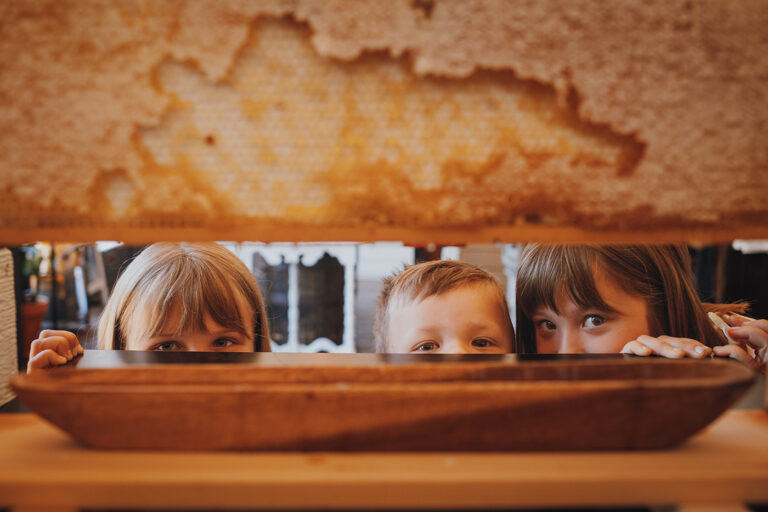
Families – Parents introducing children to where honey comes from, teaching about bees’ importance, or simply treating kids to honey ice cream
Allergy Sufferers – People trying local honey for potential allergy relief (though scientific evidence for this is mixed)
Experience the Science and Sweetness of Ethical Apiculture
Harold’s Famous Bee Co. transforms simple honey shopping into an education about one of nature’s most fascinating and beneficial insects. The patent-approved bee venom cream demonstrates that traditional remedies, when subjected to scientific rigor and ethical sourcing methods, can produce genuinely effective therapeutic products. The rotating selection of local honey varieties reveals the remarkable diversity hidden behind generic “honey” labels. The mead, honey ice cream, lip balms, and facial creams show the extraordinary range of valuable products that bees provide beyond simple sweetness.
Visit Harold’s at 234 Market Street during their Friday-Saturday hours. Sample the honey varieties—discover that buckwheat honey tastes nothing like clover honey, and both differ dramatically from sourwood’s delicate complexity. Ask about the bee venom extraction process that harms no bees while creating the cream that’s helped countless people with chronic pain. Try the honey ice cream. Consider the mead if you appreciate craft beverages. And leave with greater appreciation for the humble honey bee whose labor, venom, and wax products create this entire diverse product line.
Support ethical apiculture. Discover natural remedies that actually work. Taste honey the way nature intended—diverse, complex, and reflective of the specific flowers that bees visited. This is Harold’s Famous Bee Co., where a science meets the sweetness, and the health benefits come without harming a single bee in the process.
Call ahead if Harold’s is a specific destination: 800-748-9810. Open Friday and Saturday 10:00 AM-4:00 PM. Located at 234 Market Street in the heart of historic downtown Sainte Geneviève, where sweetness and science combine in ways that only the remarkable honey bee makes possible.




Sorry, no records were found. Please adjust your search criteria and try again.
Sorry, unable to load the Maps API.