
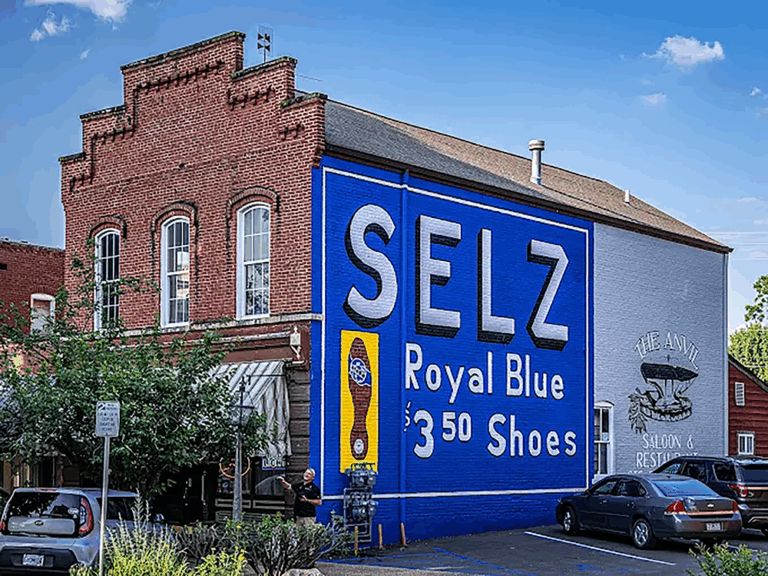
The Anvil Saloon & Restaurant – Where 170 Years of History, a Legendary 1850s Steamboat Bar, World-Famous Onion Rings, and Small-Town Hospitality Create Sainte Geneviève’s Most Beloved Dining Institution
Some restaurants chase trends. Others chase Michelin stars. The Anvil Saloon & Restaurant, occupying the same downtown Sainte Geneviève building since 1855, chases neither. What The Anvil does—and what keeps locals returning weekly and tourists traveling from Europe, Asia, and across America specifically to experience—is deliver honest, home-cooked comfort food in atmosphere so authentically old-time that you half expect steamboat captains and frontier merchants to walk through the door. The centerpiece isn’t just the food (though those onion rings are genuinely world-famous). It’s the bar itself: a massive, ornate back bar that arrived via steamboat in the 1850s, reportedly salvaged from a vessel that sank or ran aground in the Mississippi River, then hauled by oxcart to this building where it’s anchored conversations, celebrations, and community gatherings for nearly 170 years.
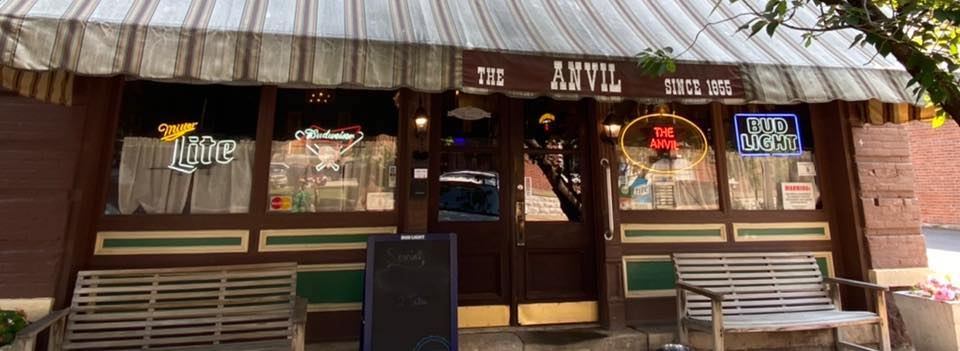
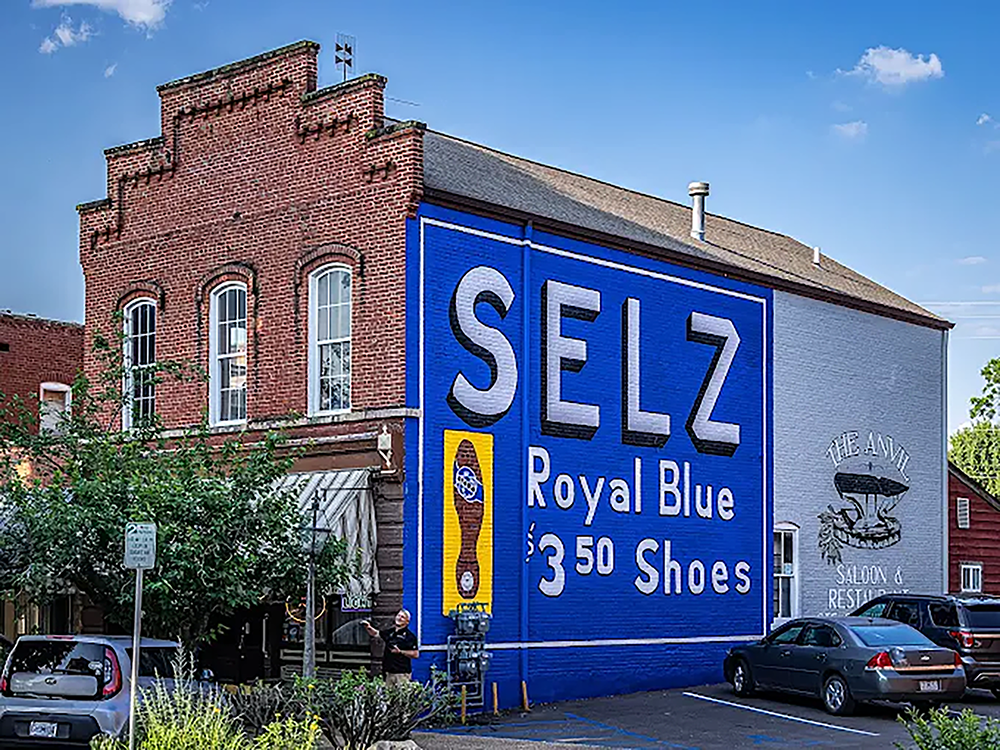
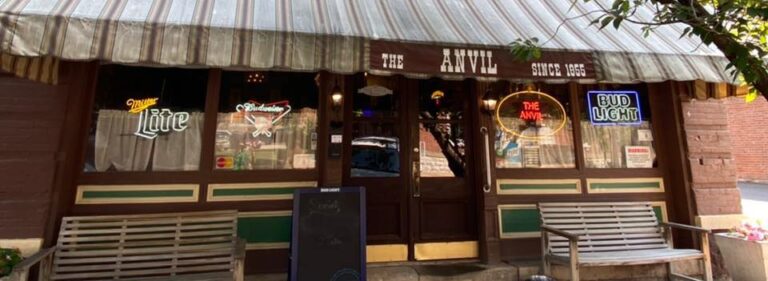
Located at 46 South Third Street on the historic downtown square, The Anvil occupies building that began as hardware store (1850-1855, hence “Anvil” name referencing blacksmith’s tool), transformed into gentlemen’s saloon (1855 when the Vaeth family purchased it and installed that legendary steamboat bar), and evolved through various incarnations before settling into its current identity as family restaurant serving breakfast, lunch, and dinner Tuesday through Sunday with menu emphasizing the kind of dishes grandmothers made: fried chicken that’s actually fried (not baked with coating), pork tenderloin pounded thin and breaded properly, roast beef simmered until fork-tender, liver and onions for those who remember when that was standard restaurant fare, and homemade desserts—multi-layer chocolate pies, seasonal fruit pies, whatever the kitchen’s making fresh that day—that justify saving room regardless of how filling the main course.
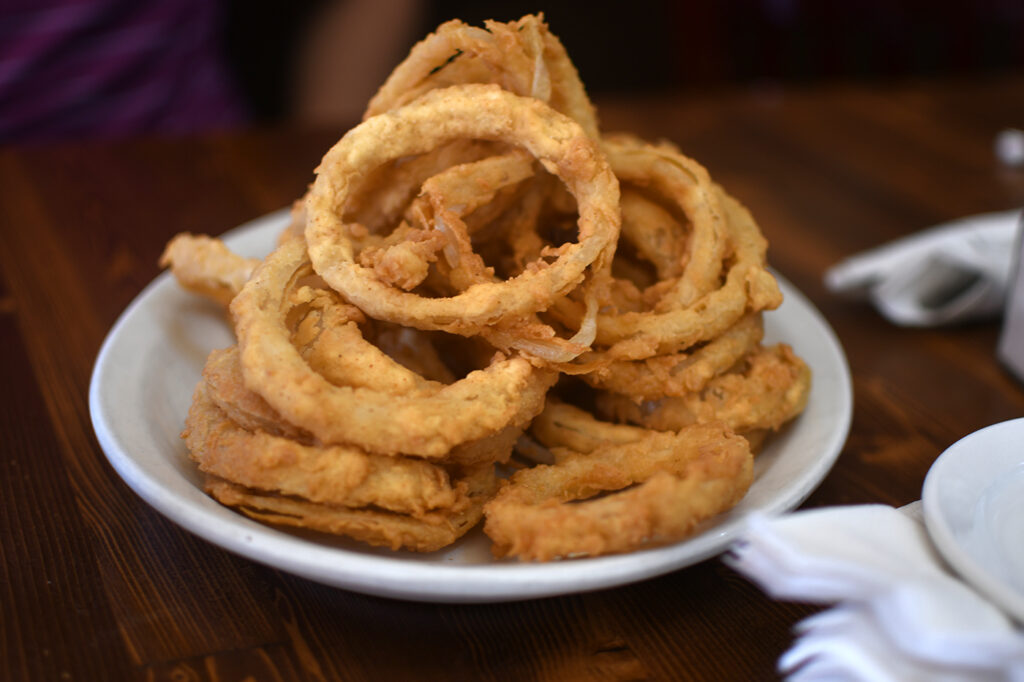
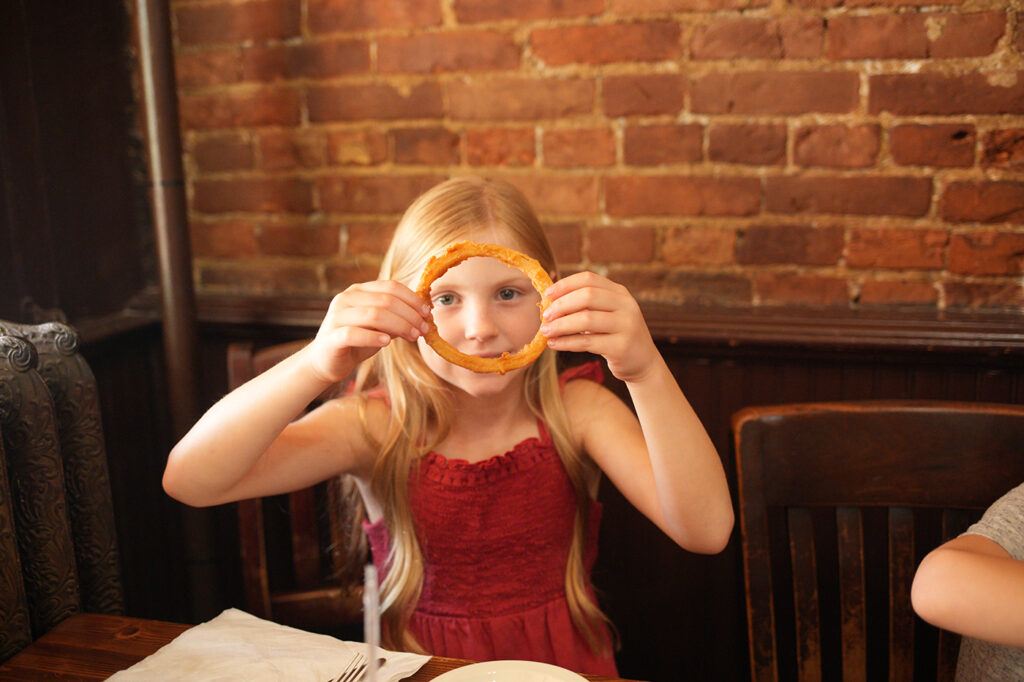
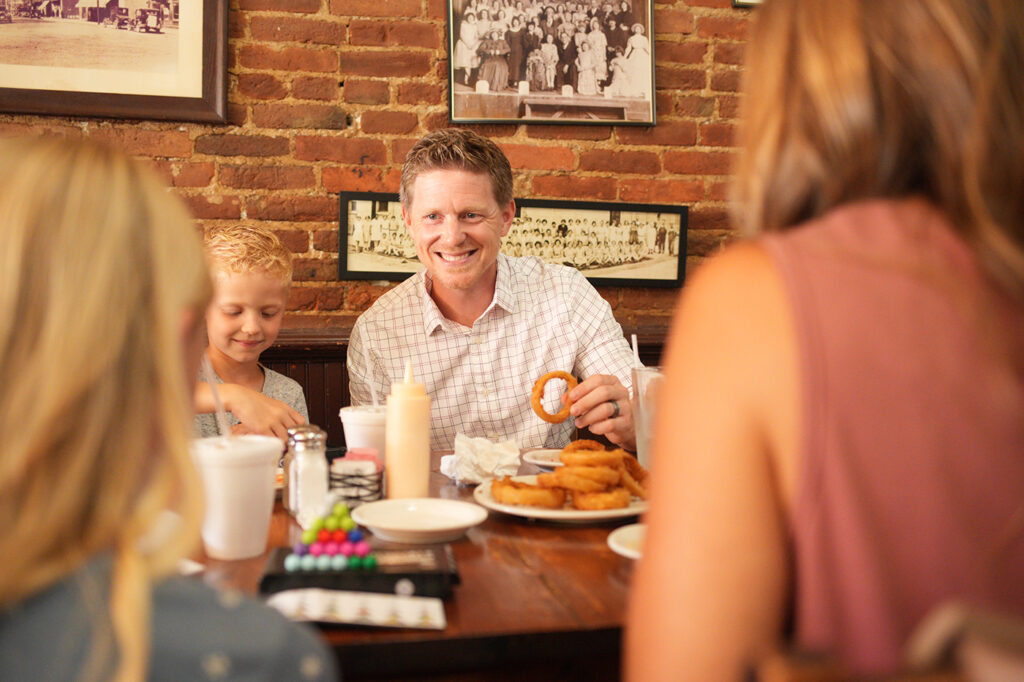
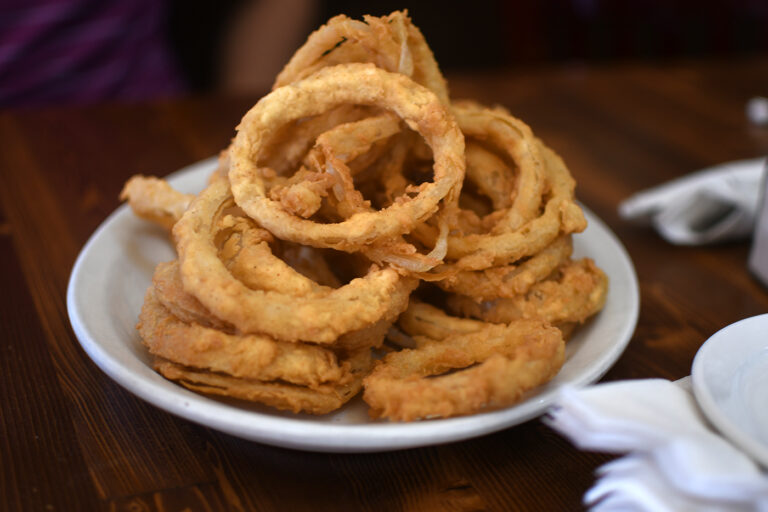
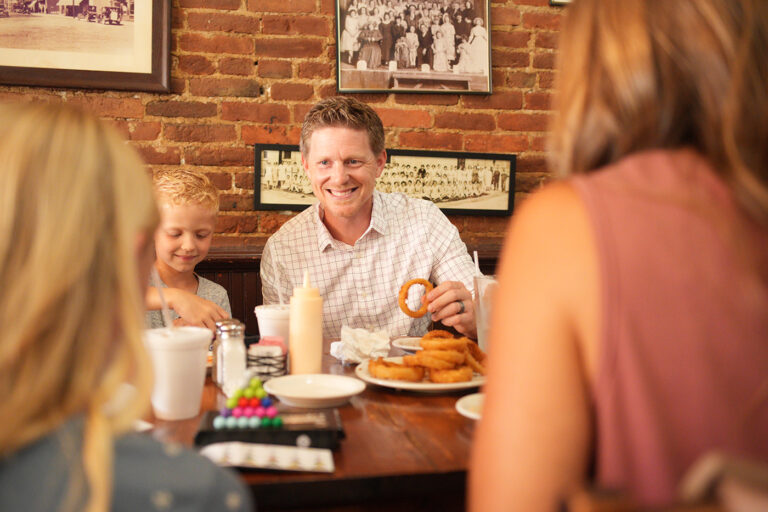
The Anvil ranked second in the entire state of Missouri for onion rings according to Rural Missouri Magazine—specific, quantifiable recognition that these aren’t generic frozen rings heated in industrial fryers but hand-cut, hand-battered, made-to-order rings achieving the crispy-outside, sweet-tender-inside perfection that makes people order them as appetizer, side dish, and sometimes entire meal. Locals know to order them. Out-of-towners hear about them. First-time visitors try one ring from a friend’s plate, then immediately order their own basket. Return visitors plan entire Sainte Geneviève trips around Anvil onion ring consumption. This is what word-of-mouth, decade-over-decade reputation building creates: restaurant where single menu item achieves legendary status while the rest of the menu quietly maintains standards that keep the place packed.
For travelers seeking authentic small-town American dining experience—the kind that’s disappearing as chain restaurants homogenize Main Streets nationwide—The Anvil delivers atmosphere, history, and food that chains simply cannot replicate regardless of budget or corporate design committees. This is real place serving real people real food in building with genuine history and character accumulated across 170 years of continuous operation. Come for the onion rings if that’s what draws you. Stay because The Anvil represents something increasingly rare: family restaurant that’s actually been family-operated (current owners Stephanie Gadell and Cade Marceaux since 2021, Madeline Jett and Jerry Holliday 1993-2021, and previous families before them), in same building, serving same community, maintaining same commitment to home-cooked comfort food that made it Sainte Geneviève institution generations ago.
The Steamboat Bar: 1850s Mississippi River History Anchoring Every Drink
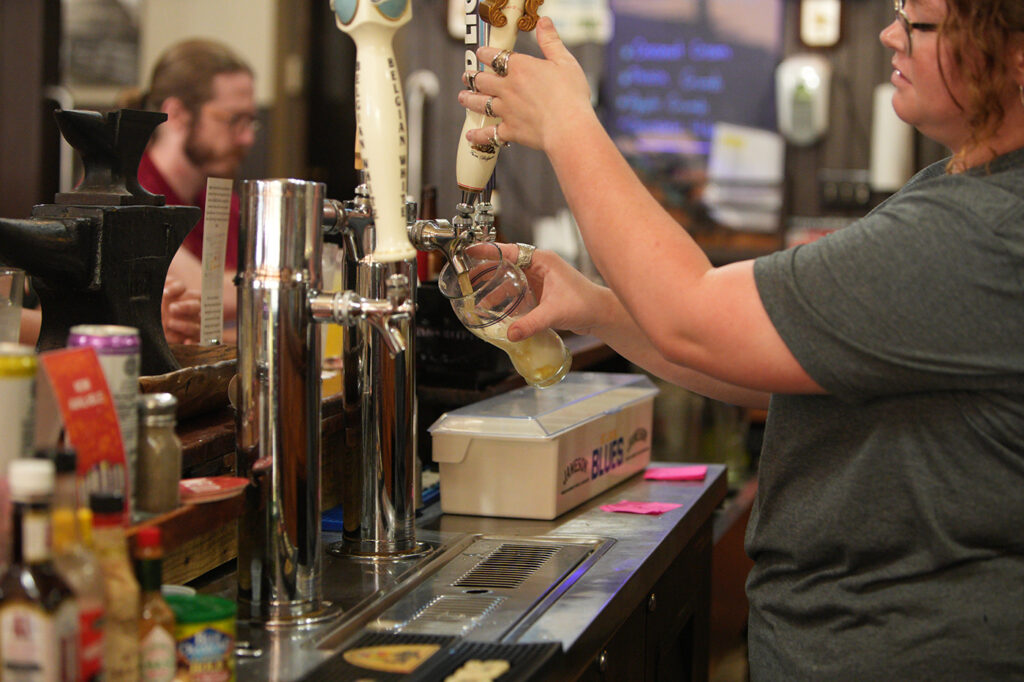
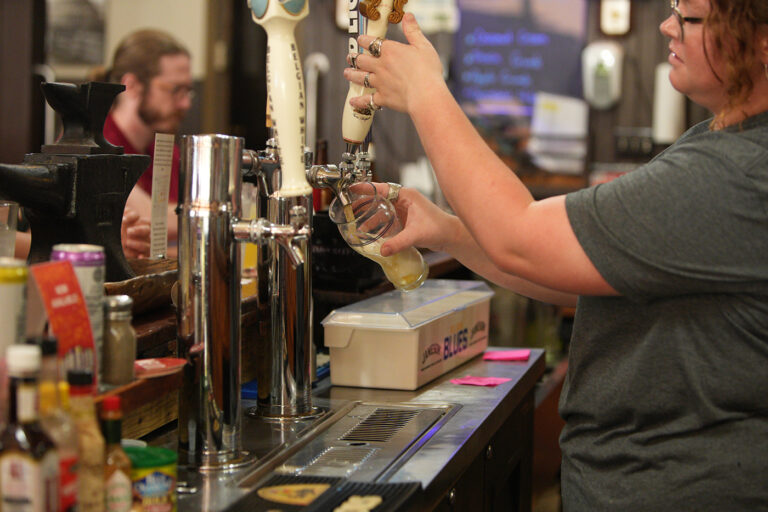
The Anvil’s most distinctive feature isn’t on the menu—it’s behind the bar. The massive back bar, ornate and weathered, reportedly came from a steamboat that traveled the Mississippi River in the mid-1850s. Local legend (verified in historical archives to extent 170-year-old oral histories can be verified) holds that when steamboat sank or ran aground in the Mississippi, salvagers recovered the bar, transported it by oxcart to Sainte Geneviève, and installed it in this building when the Vaeth family converted the former hardware store into gentlemen’s saloon in 1855.
Steamboat bars weren’t uncommon salvage items in 19th-century river towns. Steamboats carried elaborate furnishings—ornate bars with carved details, large mirrors, quality wood construction—serving passengers during multi-day journeys up and down the Mississippi. When boats sank (common occurrence in era of wooden vessels, hidden snags, boiler explosions, and general hazards of river navigation), their valuable furnishings became salvage opportunities for riverside communities. Enterprising businessmen recovered what they could, hauled materials ashore, and repurposed steamboat luxury into terrestrial establishments.
The Anvil’s bar represents physical connection to Mississippi River’s steamboat era—the decades when rivers served as highways, when Sainte Geneviève functioned as river port, when steamboats regularly stopped carrying passengers, freight, and news between St. Louis and points south. Looking at that bar means seeing artifact from transportation system that defined 19th-century American commerce and travel. The carved details, the substantial construction, the sheer size (large enough to serve multiple customers simultaneously while displaying bottles and glassware)—all reflect steamboat luxury adapted to saloon service.
The World-Famous Onion Rings: Second in Missouri, First in Hearts
When Rural Missouri Magazine ranked The Anvil’s onion rings second in the entire state, it wasn’t just regional publication pumping up local business—it was recognition of specific culinary achievement that locals have known for decades and visitors discover with the zealousness of converts finding truth.
What makes The Anvil’s onion rings famous:
Hand-Cut, Hand-Battered, Made-to-Order – These aren’t frozen bags from food service distributors heated in industrial fryers. The Anvil cuts actual onions, creates batter from scratch, dips rings individually, and fries them fresh when you order. This labor-intensive approach costs more time and money than using frozen products, but creates entirely different result.
Perfect Crispy-to-Sweet Ratio – Great onion rings achieve balance: exterior crispy enough to provide textural contrast, interior onion sweet and tender from high-heat cooking that caramelizes natural sugars while maintaining some bite. Too much batter overwhelms onion. Too little fails to create proper crust. The Anvil’s ratio apparently hits sweet spot that makes people order second baskets despite being full.
Consistency – Famous items stay famous only through consistent execution. The Anvil’s onion rings maintain quality meal after meal, week after week, year after year. Consistency requires standardized recipes, trained kitchen staff, quality control, and commitment to not cutting corners when crowds demand faster output.
Word-of-Mouth Reputation – Locals tell visitors: “You have to try the onion rings.” Visitors tell friends back home: “Best onion rings I’ve ever had.” Food writers mention them in articles. Online reviews reference them repeatedly. This accumulated word-of-mouth creates expectation that new visitors arrive specifically seeking the onion rings, try them, validate the reputation, and perpetuate the cycle.
International Appeal – Owner Madeline Jett (who operated The Anvil from 1993-2021 before selling to current owners) reported people from Europe, Asia, and elsewhere traveling specifically to try the onion rings. When international tourists include small Missouri restaurant in travel itineraries, you’re dealing with food that’s transcended local favorite status to achieve genuine culinary destination recognition.
For visitors, ordering the onion rings is non-negotiable. You can debate other menu items. You can customize your meal. But skipping the onion rings at The Anvil is like visiting St. Louis and not seeing the Gateway Arch—technically possible, but why would you? Order a basket as appetizer. Order them as side dish with your entrée. Order them as entire meal if you’re not particularly hungry but want the full Anvil experience. They’re the signature, the legend, the item that maintains 170-year-old restaurant’s relevance in era when dining trends change monthly.
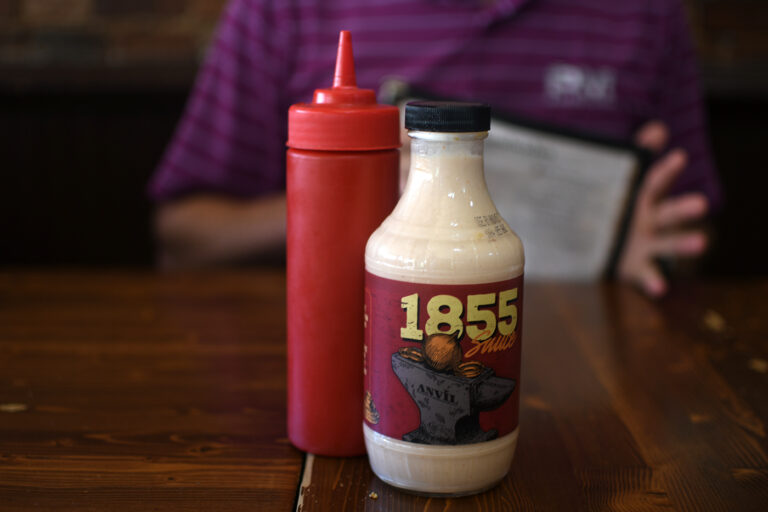
Local tip: Some regulars order onion rings, then request extra side of The Anvil’s house ranch dressing for dipping. Others eat them plain, appreciating the onion-and-batter flavor without sauce interference. Both approaches work. What doesn’t work is leaving The Anvil without trying them.
The Menu: Home-Cooked Comfort Food Your Grandmother Would Recognize
Beyond the famous onion rings, The Anvil’s menu emphasizes what owner Stephanie Gadell describes as “home-cooked comfort food”—the kind of dishes that defined American restaurant dining before fusion cuisine, farm-to-table movements, and molecular gastronomy complicated the simple pleasure of well-executed traditional cooking.
Signature Menu Items:
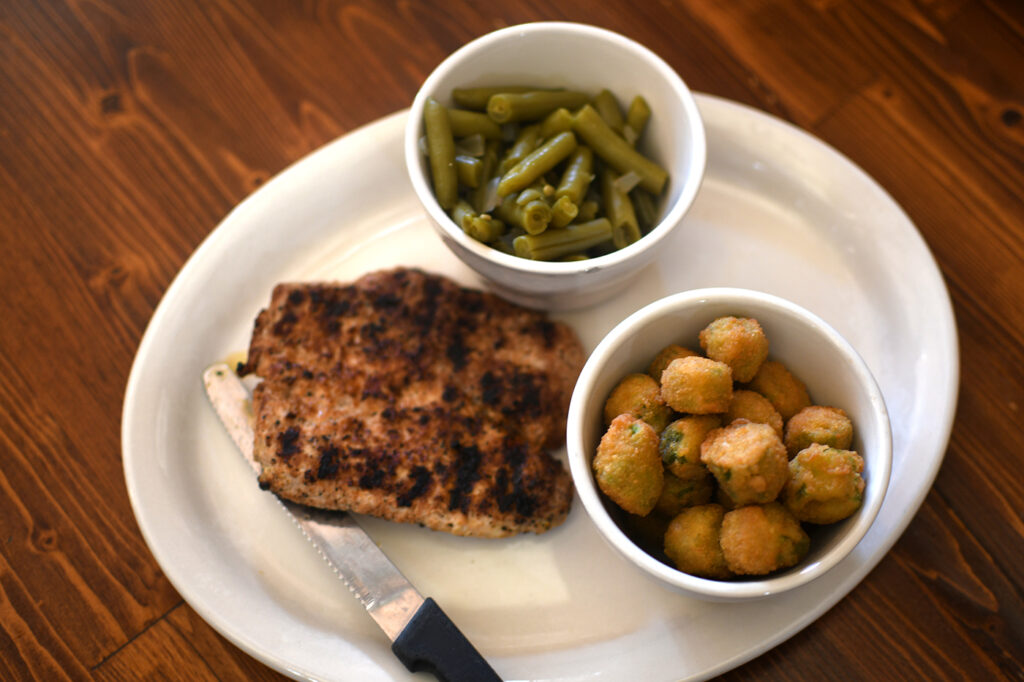
Fried Chicken – Actual fried chicken, breaded and deep-fried in the method that pre-dates “healthier” oven-baked alternatives. The chicken comes with sides (mashed potatoes, green beans, coleslaw—traditional options), served family-style portions that ensure no one leaves hungry.
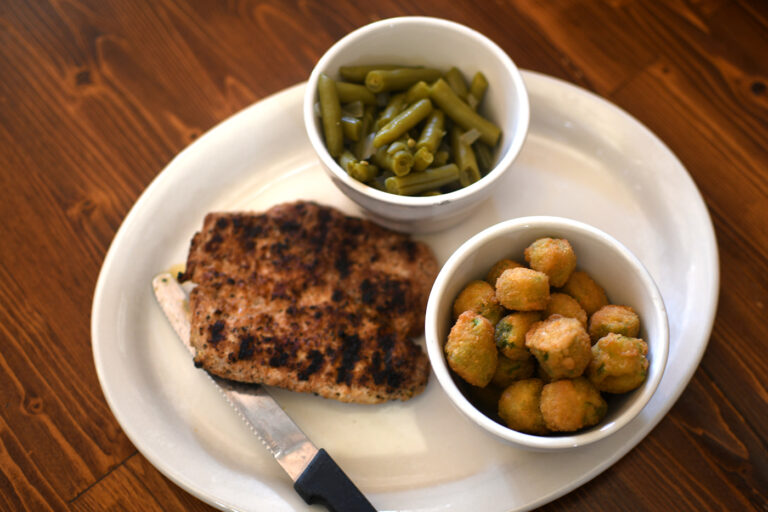
Pork Tenderloin – Midwest classic: pork pounded thin, breaded, fried until golden, served on bun where the meat extends well beyond bread edges (the traditional “bigger than the bun” presentation). This is comfort food in its purest form—simple preparation of quality ingredients creating satisfaction that complicated recipes sometimes miss.
Roast Beef – House-sliced au jus simmered roast beef, served with mashed potatoes and gravy. The kind of Sunday dinner your grandmother made, but you don’t have to cook or clean up. The au jus provides flavor and moisture, the beef is tender from proper slow cooking, and the entire presentation feels like home cooking elevated slightly for restaurant service.
Liver and Onions – Menu item that’s disappeared from most contemporary restaurants but survives at The Anvil for customers who remember when this was standard American fare. Properly prepared liver and onions requires skill—overcook liver and it becomes tough and bitter; undercook and texture suffers. The Anvil maintains this dish for demographic that grew up eating it and occasional adventurous younger diners curious about what their grandparents loved.
Steaks – Sirloin and ribeye options, cooked to order, served with choice of sides. The Anvil uses Angus-certified beef, ensuring quality protein. Reviews consistently praise steak preparation—proper seasoning, accurate temperature cooking, generous portions. These aren’t fine-dining steakhouse presentations with artistic plating, but they’re honest steaks cooked well and priced fairly.
Fried Catfish – Southern tradition meeting Midwest execution. The catfish is breaded and fried, served with traditional accompaniments. Missouri’s position on Mississippi River means catfish appears frequently on regional menus, and The Anvil’s version earns specific mentions in reviews.
Mushroom Burger – For non-steak beef options, the mushroom burger features sautéed mushrooms atop quality burger patty. This represents The Anvil’s approach: take familiar items, execute them properly, trust that good ingredients and proper technique create satisfaction without requiring complicated preparations.
Grilled Chicken Sandwiches – Alternative to fried options, the grilled chicken provides lighter choice while maintaining flavor through proper seasoning and cooking.
Liver Dumplings – Sainte Geneviève specialty that confuses outsiders but locals consider essential cultural food. Liver dumplings aren’t actually liver-flavored (the name refers to dumpling shape/texture, not primary ingredient). One review notes: “Don’t be fooled by the name, they are great and we locals are fed them as part of our baby food diet growing up.” This represents hyper-local specialty that The Anvil maintains as connection to regional food heritage.
Homemade Desserts – Four-layer chocolate pie, seasonal fruit pies, and rotating selections made in-house. The pies justify the “save room for dessert” advice that usually goes unheeded. Real meringue. Actual fruit fillings. Crust made from scratch. These aren’t Marie Callender’s frozen pies heated in restaurant ovens but genuine homemade desserts requiring daily baking and proper pastry skills.
Sunday Breakfast (8:00-11:00 AM) – Weekend breakfast service provides additional meal option, likely featuring eggs, bacon, sausage, pancakes, and other American breakfast standards.
The menu philosophy is clear: serve food people actually want to eat, prepare it properly using quality ingredients, price it fairly, and maintain consistency. No fusion experiments. No deconstructed presentations. No foam or molecular gastronomy. Just honest American comfort food executed well enough to keep customers returning for decades.
Vegetarian note: While The Anvil isn’t vegetarian-focused restaurant, reviews mention “many vegetarian options” suggesting sufficient meatless choices for non-meat-eaters visiting with omnivore friends or family.
The Atmosphere: Old-Time Saloon Character in 170-Year-Old Building
Owner Madeline Jett identified The Anvil’s appeal succinctly: “I think it’s the old saloon-type atmosphere. You know, it is The Anvil Saloon and Restaurant, and people like the old bar, the old floors, you know, just the character of the building.”
That character includes:
The Building Itself – Constructed 1850, originally housing hardware store, converted to saloon 1855, maintained continuously since. The structure predates Civil War, witnessed Sainte Geneviève’s evolution across 170+ years, and retains architectural features from its various incarnations.
Old Floors – Worn wooden floors showing traffic patterns from generations of customers. These aren’t refinished to showroom condition but maintained in state that shows honest wear—the patina of actual use rather than artificial aging.
The Steamboat Bar – Already discussed, but worth reiterating as centerpiece creating visual focus and historical gravitas that modern bars cannot replicate.
Limited Seating – The Anvil isn’t large restaurant. Reviews mention difficulty getting tables during busy periods, bar seating as overflow option, and general cozy (some might say cramped) feel. This intimacy enhances old-time atmosphere—modern restaurants prioritize table counts and traffic flow; The Anvil works within constraints of 19th-century building designed for different purposes.
Decor Details – One review mentions “clown paintings were weird for the setting”—the kind of personal, idiosyncratic decoration that distinguishes family-owned restaurants from corporate chains with centralized design committees. You might love the clown paintings. You might find them bizarre. Either way, they’re distinctively Anvil.
Local Entertainment – Past coverage mentions Jerry Holliday (previous co-owner) entertaining customers, suggesting live music or performance elements that created community gathering atmosphere beyond simple meal service.
Ghost Stories – The Anvil reportedly has paranormal reputation. Former owner Madeline Jett described a woman using the second-floor bathroom who came down “screaming, saying she had seen the reflection of a figure in the mirror.” Paranormal investigators identified presence of man (dubbed “Lester” by staff) and a little girl. Whether you believe in ghosts or not, the stories add layer of intrigue and connect to the building’s long history where countless people lived, worked, celebrated, and died across 170+ years.
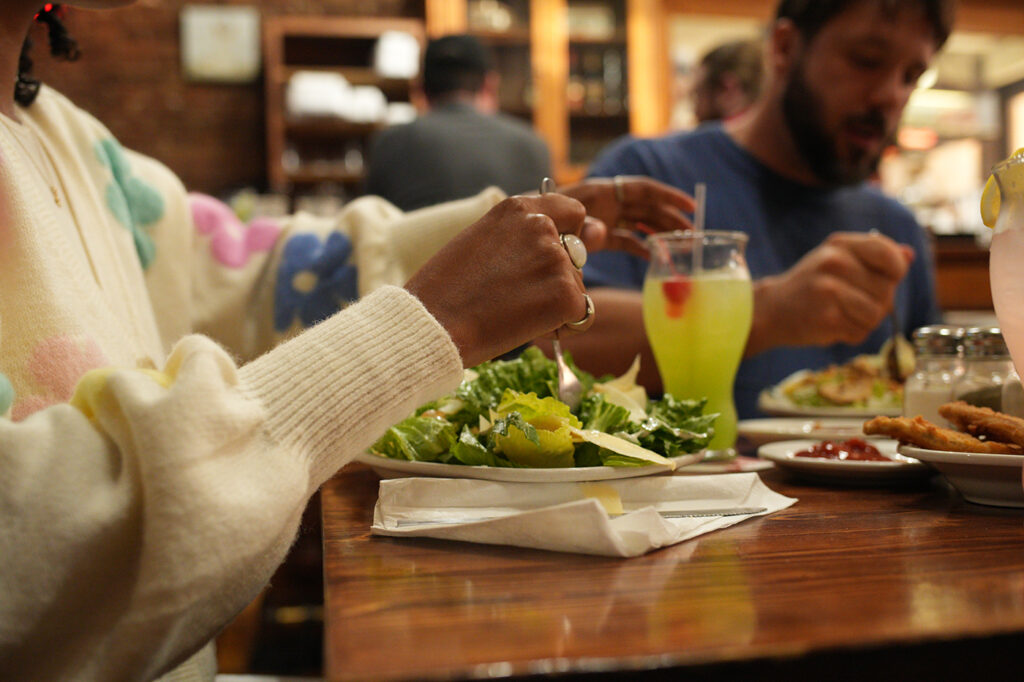
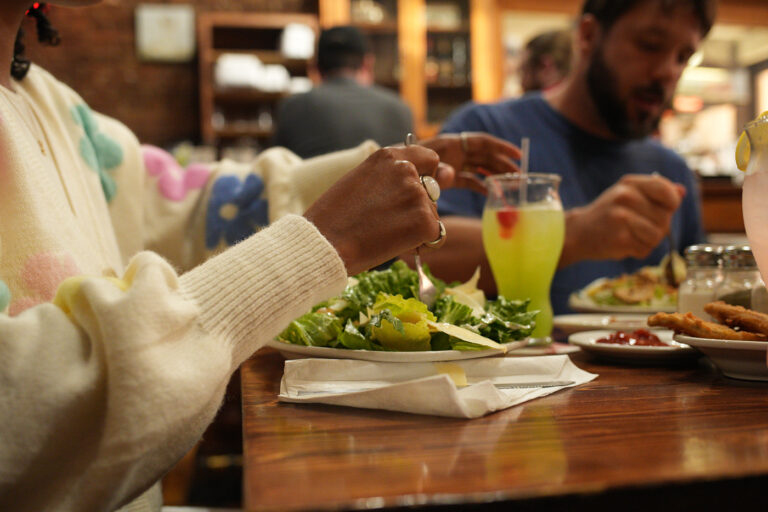
The atmosphere creates an experience that’s increasingly rare: a restaurant that feels genuinely old rather than themed to appear old, that maintains character through accumulated history rather than designed aesthetic, and that provides physical environment connecting diners to Sainte Geneviève’s frontier past through building, furnishings, and sensory details that contemporary construction cannot authentically reproduce.
Current Ownership: Stephanie Gadell and Cade Marceaux (Since 2021)
The Anvil changed hands in 2021 when Stephanie Gadell and Cade Marceaux purchased the restaurant from longtime owners Madeline Jett and Jerry Holliday (who’d operated it since 1993—28-year tenure creating stability and consistency).
New ownership always risks disrupting established restaurants, particularly ones with loyal local followings and decades-long reputations. Gadell and Marceaux appear to have navigated this successfully by maintaining core elements while making selective updates:
Continuity of Menu and Approach – The famous onion rings remain. The home-cooked comfort food philosophy continues. The menu still features items that made The Anvil a destination rather than just convenient option.
Physical Preservation – The steamboat bar, old floors, and building character persist. New owners didn’t gut the interior for modern redesign or eliminate historical features in favor of contemporary aesthetics.
Community Connection – Gadell describes their approach emphasizing that “necessity is the mother of invention”—suggesting adaptability and problem-solving rather than rigid adherence to “this is how we’ve always done it” mentality that can ossify established restaurants.
Recognition and Achievement – Under new ownership, The Anvil earned second-place ranking in Missouri for onion rings and maintains a TripAdvisor ranking as the #1 restaurant in Sainte Geneviève (among 23 restaurants) with Travelers’ Choice award—indicating the successful transition maintaining quality and reputation.
The ownership transition demonstrates that The Anvil’s institutional strength extends beyond individual operators. The building, the bar, the recipes, the reputation, and the community role create continuity that allows successful handoff between families committed to preserving what makes The Anvil special.
Practical Information
Location: 46 South 3rd Street, Sainte Genevieve, MO 63670 (On the historic downtown square)
Phone: (573) 880-7060 Email: Anvilsaloon@gmail.com
Hours:
- Monday: Closed
- Tuesday-Thursday: 11:00 AM – 8:00 PM
- Friday-Saturday: 11:00 AM – 9:00 PM
- Sunday: 11:00 AM – 7:00 PM
Services:
- Dine-in
- Takeout
- Curbside pickup
- Reservations accepted (recommended during busy periods given limited seating)
Payment: Cash and cards accepted
Accessibility: Historic building with old floors and potentially limited accessibility for mobility-challenged guests
Alcohol: Full bar service with beer, wine, cocktails, and liquor
Parking: Street parking on downtown square, public lots nearby
What to Order:
Must-Try:
- Onion Rings (Second in Missouri, first in your heart)
- Homemade Pies (Whatever they’re making fresh that day)
Recommended:
- Fried Chicken (Traditional preparation, generous portions)
- Pork Tenderloin (Midwest classic done right)
- Ribeye Steak (Angus-certified beef, cooked to order)
- Roast Beef (House-sliced au jus, comfort food perfection)
- Liver Dumplings (Local specialty, cultural experience)
For Lighter Options:
- Grilled Chicken Sandwich
- Fried Catfish
- Vegetarian selections (ask server for current options)
Tips for Visiting:
Make Reservations – Limited seating means busy periods (weekends, dinner hours, festivals) fill quickly. Calling ahead (573-880-7060) ensures table rather than bar stool or wait.
Arrive Hungry – Portions are generous. The onion rings alone can be filling. Plan accordingly or embrace leftovers.
Save Room for Pie – The homemade desserts justify the stomach space. Order even if you’re full; you can take slices to-go.
Embrace the History – You’re eating in building from 1850, at bar from sunken steamboat, in restaurant operating 170 years. Appreciate the historical immersion.
Ask About Liver Dumplings – If you’re adventurous or curious about local food culture, try this Sainte Geneviève specialty. Locals grew up on them; visitors find them intriguing.
Sit at the Bar – If tables are full, bar seating provides front-row view of the historic steamboat bar and allows conversation with bartenders who know The Anvil’s history and can share stories.
Expect Old-Time Atmosphere – This isn’t modern restaurant with Edison bulbs and reclaimed wood creating artificial vintage aesthetic. This is genuinely old building with authentic wear, idiosyncratic decor, and character accumulated across 170 years. Embrace the quirks.
Who The Anvil Serves
Locals – Regulars who’ve been eating here for decades, families introducing children to restaurants their grandparents frequented, community members for whom The Anvil is default answer to “where should we eat?”
History Enthusiasts – Visitors specifically interested in experiencing authentic 19th-century buildings, steamboat-era artifacts, and restaurants with genuine historical continuity
Comfort Food Seekers – Travelers tired of trendy restaurants and fusion experiments who want honest, well-executed traditional American cooking
Onion Ring Pilgrims – People who’ve heard about the famous onion rings and travel specifically to try second-best in Missouri
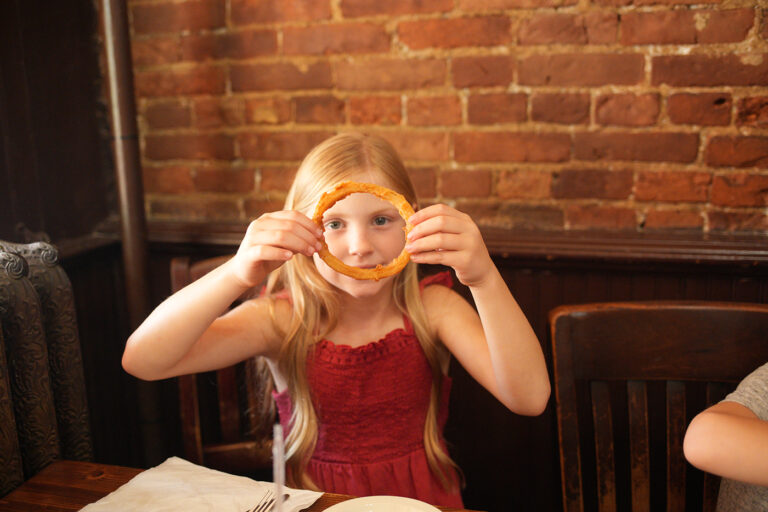
Families – Kids welcome, menu has familiar items, portions are generous, prices are reasonable, atmosphere is casual enough that parents don’t stress about children’s behavior
Couples – Old-time saloon atmosphere creates romantic setting distinct from chain restaurant date nights or formal fine dining
Budget Travelers – Quality food at fair prices, generous portions providing good value, no pretentious upcharging for “artisanal” or “locally-sourced” buzzwords
Out-of-State Visitors – Tourists exploring Sainte Geneviève’s historic district who want dining experience matching the town’s character rather than generic options indistinguishable from their hometown
Experience 170 Years of Continuous Hospitality in Sainte Geneviève’s Most Historic Restaurant
The Anvil Saloon & Restaurant isn’t trying to be anything other than what it is: family restaurant serving home-cooked comfort food in 170-year-old building anchored by legendary steamboat bar, famous for onion rings that draw international visitors, maintaining traditions that predate most customers’ grandparents, and providing gathering place for community that values continuity, authenticity, and the simple pleasure of well-executed fried chicken and homemade pie.
Order those world-famous onion rings. Lean against the bar that traveled Mississippi River before settling here in 1855. Try the liver dumplings if you want genuine local cultural experience. Save room for four-layer chocolate pie. Appreciate the old floors, the quirky decor, the intimate seating that forces you to acknowledge fellow diners rather than isolating in booth. And recognize that you’re experiencing what’s becoming increasingly rare: restaurant that’s genuinely historic rather than historically themed, family-owned across multiple generations rather than corporate franchise, and committed to serving honest food to actual community rather than performing “authenticity” for tourist dollars.
The Anvil has survived 170 years by doing simple things well: good food, fair prices, welcoming atmosphere, and respect for history manifest in preservation of building and bar that connect contemporary diners to Sainte Geneviève’s steamboat era. Visit once for the onion rings. Return because The Anvil represents American small-town restaurant culture at its best—unpretentious, consistent, genuinely rooted in community it serves.
Located at 46 South 3rd Street on the historic downtown square. Call (573) 880-7060 for reservations. Order the onion rings. Appreciate the history. This is The Anvil—170 years strong and still serving.
Sorry, no records were found. Please adjust your search criteria and try again.
Sorry, unable to load the Maps API.