






La Guiannée – Where Sainte Geneviève’s 250-Year-Old New Year’s Eve Tradition Shares Deep Roots with Louisiana’s Rural Mardi Gras Through Ancient French Begging Songs
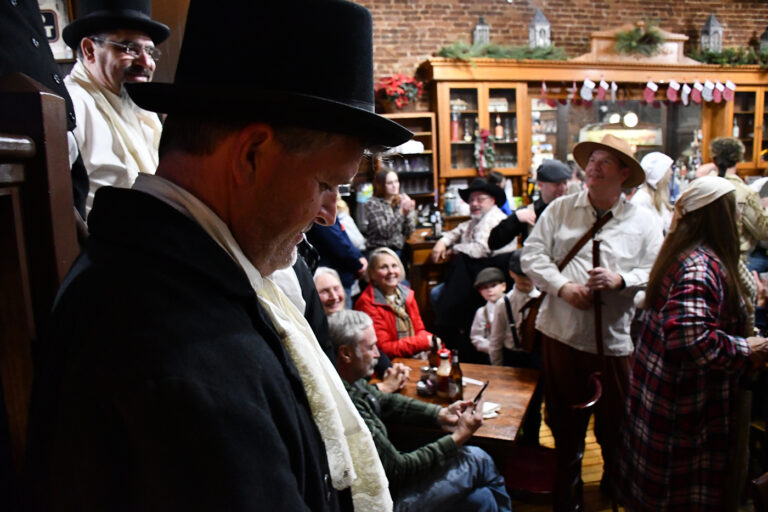
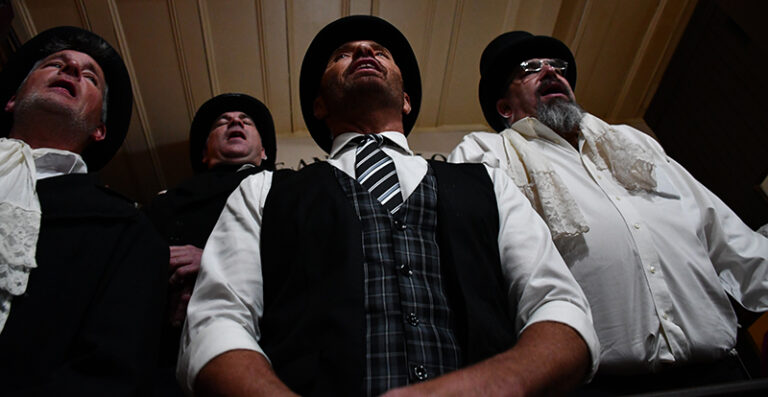
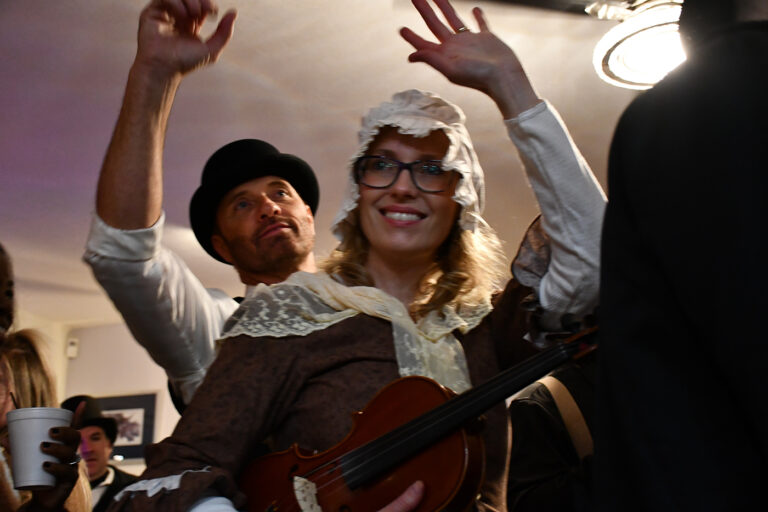
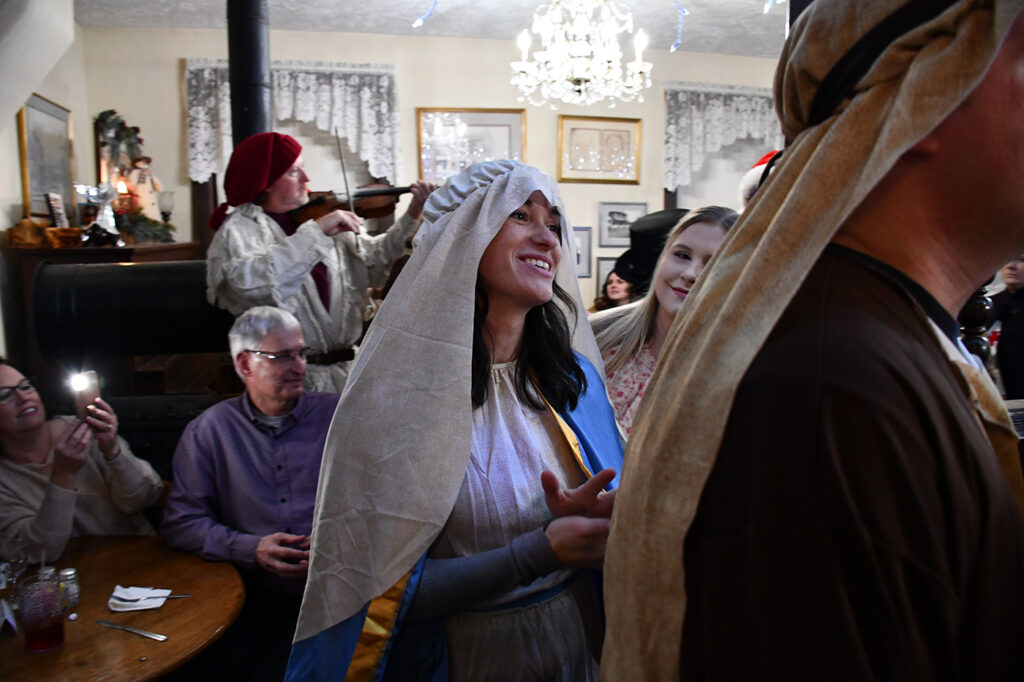
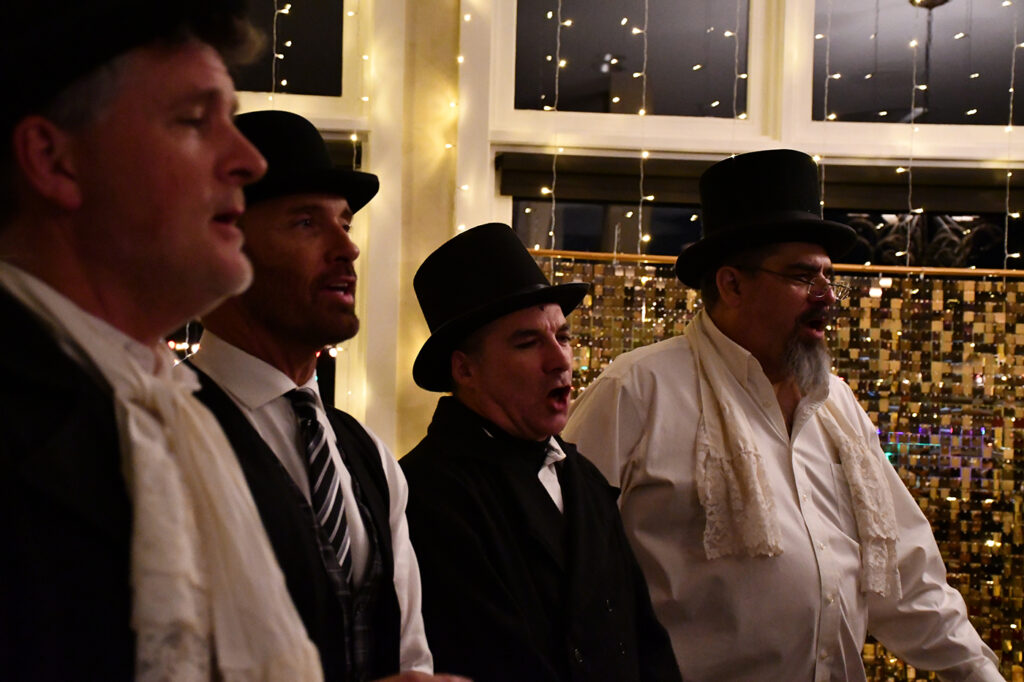
Every New Year’s Eve for over 250 years, something extraordinary happens in Sainte Geneviève’s historic district that directly connects Missouri’s oldest French colonial town to the rural Mardi Gras traditions of Mamou and Iota, Louisiana. As darkness falls on December 31st, a troupe of costumed revelers—dressed in bizarre and archaic 18th and 19th-century attire, some masked in grotesque fashion reminiscent of Louisiana’s courirs de Mardi Gras—emerges to wander from business to business, home to home, singing an ancient French begging song that, according to fiddler and French music expert Dennis Stroughmatt, shares actual lyrics with the Iota Mardi Gras song. This isn’t coincidental similarity; it’s evidence of common cultural ancestry connecting these seemingly distant French traditions through centuries-old songs brought to North America by French colonists and preserved in isolated pockets where French culture remained strong enough to resist complete assimilation.
“Bonsoir le maître et la maîtresse, et tous les gens de la maison” (Good evening master and mistress, and everyone who lives here too) begins the song that’s been chanted in Sainte Geneviève since the town’s earliest days—the same song structure, similar melodies, and sometimes identical verses sung by masked riders in Louisiana’s Cajun prairie during their Mardi Gras runs. Both traditions feature costumed participants traveling from house to house or business to business, singing begging songs requesting food and drink, collecting ingredients that will feed the community (whether for New Year’s feast in Missouri or Mardi Gras gumbo in Louisiana), and creating controlled chaos where normal social order temporarily inverts as revelers “demand libations for their troubles” from hosts who welcome them with refreshments, treats, and good cheer.
La Guiannée (also spelled La Guignolée) represents Missouri’s version of broader French begging quest tradition that manifests as Mardi Gras in Louisiana but occurs on New Year’s Eve in Sainte Geneviève—different timing, same fundamental cultural DNA. Both celebrate the last night before significant calendar transitions (New Year in Missouri, Lent in Louisiana), both involve costumed participants seeking donations for communal feasts, both feature ancient French songs passed down through generations, and both survive in only a handful of locations where French Catholic culture maintained sufficient strength to preserve traditions that disappeared elsewhere. Understanding La Guiannée requires recognizing it as Sainte Geneviève’s seasonal equivalent to Louisiana’s rural Mardi Gras—northern cousin to southern tradition, united by shared French colonial heritage and remarkably similar performance of centuries-old customs.
For visitors familiar with Louisiana’s Mardi Gras culture, La Guiannée provides fascinating comparative experience showing how French traditions adapted to different regions while maintaining core elements. For those unfamiliar with either tradition, La Guiannée offers rare opportunity to witness living medieval French custom that’s somehow survived 250+ years in small Missouri town through unbroken community practice rather than historical revival or tourism-driven reconstruction.
The Louisiana Connection: Rural Mardi Gras and Shared Song Traditions
The connection between Sainte Geneviève’s La Guiannée and Louisiana’s rural Mardi Gras isn’t superficial resemblance—it’s deep cultural relationship rooted in common French origins and maintained through parallel preservation of ancient traditions in regions where French language and culture remained dominant long after surrounding areas Americanized.
Rural Mardi Gras in Louisiana—particularly in Cajun prairie towns like Mamou, Iota, Eunice, Church Point, and surrounding communities—features courirs de Mardi Gras (Mardi Gras runs) where costumed, masked participants travel the countryside on horseback or trailers, stopping at farms and homes to perform, sing traditional Mardi Gras songs, and collect ingredients (chickens, sausage, rice, vegetables, money) for the communal gumbo that feeds the entire community that evening. The participants wear elaborate handmade costumes, grotesque masks, pointed capuchons (hats), and behave in deliberately chaotic, transgressive manner—chasing chickens, climbing roofs, performing acrobatics, drinking heavily, and generally inverting normal social order for one day before Lent’s solemnity begins.
Sainte Geneviève’s La Guiannée follows remarkably similar pattern adapted to New Year’s Eve timing and small-town Missouri context:
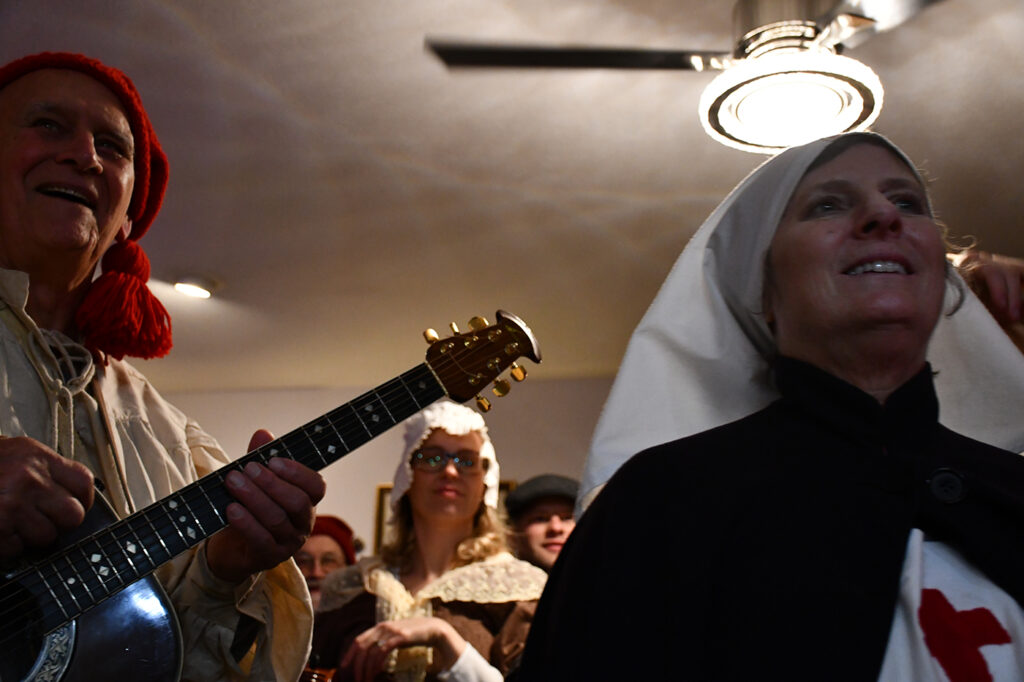
Costumed Participants – Like Louisiana’s Mardi Gras riders, La Guiannée revelers dress in “bizarre and somewhat archaic costumes”—period clothing from 18th and 19th centuries, masks, elaborate getups that mark participants as temporarily outside normal social constraints
Door-to-Door Singing – Both traditions feature traveling from location to location (farms in Louisiana, homes and businesses in Sainte Geneviève), singing at each stop, and requesting hospitality and donations
Begging Songs with Shared Lyrics – According to Dennis Stroughmatt—renowned fiddler, French music expert, and performer of traditional Illinois Creole music who’s deeply studied French colonial musical traditions—the La Guiannée song shares actual lyrics with the Iota Mardi Gras song. This isn’t vague similarity; it’s specific textual overlap indicating common source material brought to both regions by French colonists and preserved through oral tradition across centuries of separation
Collection for Community Feast – Louisiana’s Mardi Gras riders collect ingredients for gumbo; Sainte Geneviève’s La Guiannée historically collected “lard, poultry, eggs, wheat, and candles” for Epiphany feast (Twelfth Night celebration following New Year’s). Both traditions pool community resources for shared meal marking significant calendar moment
Controlled Transgression – Both allow temporary social inversion where revelers can “demand” hospitality, behave in ways normally unacceptable, and create deliberate disruption that’s tolerated (even celebrated) because it occurs within prescribed ritual framework on specific calendar date
French Catholic Calendar Positioning – Louisiana’s Mardi Gras occurs on Fat Tuesday (last day before Lent); Sainte Geneviève’s La Guiannée occurs on New Year’s Eve (last day of calendar year, transitioning toward Epiphany on January 6th). Both mark threshold moments between old and new, ordinary time and sacred season
The shared lyrics that Dennis Stroughmatt identifies represent particularly compelling evidence of cultural connection. When geographically separated communities sing identical or near-identical verses in traditions practiced for 200+ years with minimal contact between regions, it indicates common origin rather than coincidental similarity. The songs traveled from France to North America with colonists, established themselves in French-speaking communities along the Mississippi River and in Louisiana’s Cajun prairies, and survived through oral transmission even as French language itself faded from daily use in these communities.
The Iota connection specifically is significant because Iota (Louisiana, population ~1,400) represents one of Cajun prairie’s most traditional Mardi Gras celebrations, maintaining older customs with fewer modern tourist-oriented modifications. If Sainte Geneviève’s La Guiannée shares lyrics specifically with Iota’s Mardi Gras song rather than more widely-known Mamou or Eunice versions, it suggests particularly deep connection to older, more traditional forms of the custom rather than evolved contemporary versions.
For visitors who’ve experienced Louisiana’s rural Mardi Gras, attending La Guiannée provides striking recognition: “This is the same thing, just on different date!” The songs sound familiar even if you can’t place why. The energy feels similar—that combination of reverence for tradition and deliberate chaos, of community celebration and transgressive behavior, of ancient ritual and contemporary party. For visitors unfamiliar with either tradition, the Louisiana connection helps explain why small Missouri town maintains this unusual custom: it’s not isolated quirk but surviving example of broader French cultural pattern that once extended throughout French North America and now persists only in scattered locations where conditions allowed preservation.
The Song: Ancient French Lyrics Connecting Missouri to Louisiana
The La Guiannée song itself—the actual verses sung by participants as they travel through Sainte Geneviève—deserves close attention both for its content and its cultural significance as living connection between separated French communities.
Traditional La Guiannée lyrics (multiple versions exist, but core verses remain consistent):
Bonsoir le maître et la maîtresse Et tous les gens de la maison Nous avons fait un promesse De v’nir vous voir une fois l’an
Une fois l’an ce n’est pas grand’chose Qu’un petit morceau de chignée Un petit morceau de chignée Si vous voulez
Si vous voulez rien nous donner Dites nous lé Nous prendrons la fille aînée Nous y ferons chauffer les pieds!
English translation (approximate, not literal):
Good evening master and mistress And everyone who lives here too We made a promise To come see you once a year
Once a year is not much to ask Just a small piece of pork backbone A small piece of backbone If you’re willing
If you don’t want to give us anything Just tell us We’ll take the eldest daughter We’ll warm her feet!
The song structure follows classic begging quest pattern: polite greeting establishing singers’ identity, statement of modest request (just small piece of meat for feast), escalation to humorous “threat” (if you won’t give us food, we’ll take your daughter), and overall tone mixing genuine request with playful transgression. The “eldest daughter” reference served multiple functions—historically, it invited families to send daughters to subsequent Epiphany ball (Twelfth Night celebration), created courtship opportunities for young men seeking marriage partners, and added slightly risqué humor as male singers threatened to “kidnap” young women (who were in fact invited guests to community feast).
The Louisiana Mardi Gras song—particularly Iota’s version that Dennis Stroughmatt identifies as sharing lyrics with La Guiannée—follows similar structure with overlapping verses:
Bonjour, mon maître et ma maîtresse Et tous les gens de la maison Pour le dernier jour de l’année La Guignolée vous nous devez
Nous sommes venus tous de loin Pour demander la charité Quand même vous nous donneriez Une patate ou bien un peu de riz
(Good day, my master and mistress / And everyone who lives in the house / For the last day of the year / You owe us La Guignolée / We have come from far / To ask for charity / Even if you would give us / A potato or a bit of rice)
The shared elements are unmistakable:
- Identical greeting formula (“Bonjour/Bonsoir le maître et la maîtresse, et tous les gens de la maison”)
- Requests for modest food items (backbone, potato, rice)
- Reference to “once a year” or “last day of year”
- Overall structure of polite request escalating to playful demand
- Use of archaic French vocabulary and grammatical structures
These aren’t modern compositions or recently revived songs—they’re genuinely old French verses transmitted orally for generations, sung in Paw Paw French dialect (the endangered French variant spoken in Missouri French communities) and Louisiana French (Cajun/Creole dialects), maintaining linguistic features that standard modern French has lost. The songs preserve not just melodies and lyrics but entire linguistic snapshots of 18th-century French colonial speech patterns.
Dennis Stroughmatt’s identification of shared lyrics carries particular weight because Stroughmatt isn’t casual observer—he’s dedicated decades to studying, performing, and preserving traditional Illinois Creole music (the French-influenced traditional music of Prairie du Rocher/Kaskaskia region across the Mississippi from Sainte Geneviève). His fiddle playing provides music for La Guiannée, the King’s Ball, and other French colonial celebrations throughout the region. When Stroughmatt—who’s compared French musical traditions across multiple regions and studied historical song variations—states that Sainte Geneviève’s La Guiannée shares lyrics with Iota’s Mardi Gras song, it’s expert testimony based on deep comparative research rather than casual impression.
For visitors, the song represents tangible connection to deep past. You’re hearing verses sung for 250+ years in Sainte Geneviève, with roots extending back centuries further in France, sharing DNA with Louisiana songs sung by different people in different contexts but united by common French colonial heritage. Even if you don’t speak French, the song’s rhythm, melody, and performance context communicate meaning—this is ancient, this is communal, this matters to people maintaining it.
How La Guiannée Works: The New Year’s Eve Circuit
Understanding La Guiannée requires knowing not just the tradition’s history and cultural connections but how it actually functions on December 31st when participants and spectators come together to perform this 250-year-old custom.
7:00 PM Performance at Valle Gym – The troupe traditionally gathers for organized performance at Valle gym where audience can watch the full presentation, hear explanations of tradition’s history and significance, and experience complete song performances before the revelers begin their circuit through town. This functions as both community gathering and visitor introduction—families attend with children learning the tradition, out-of-town guests get context for what they’re about to witness in the streets, and participants warm up before hitting the town.
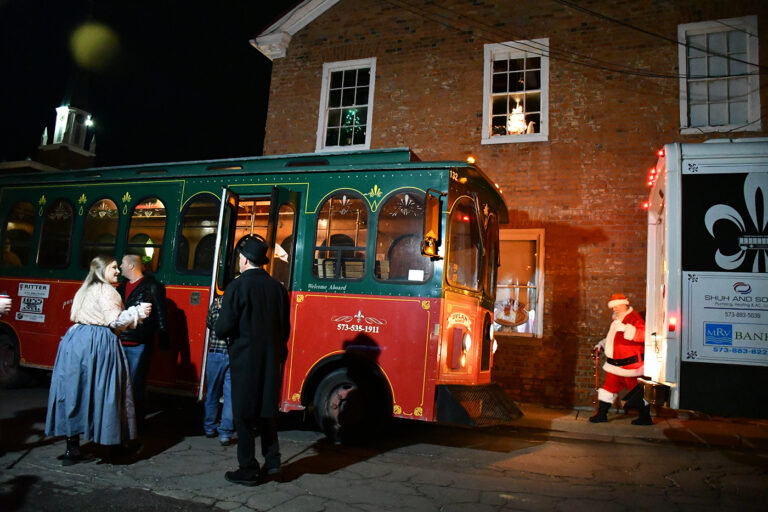
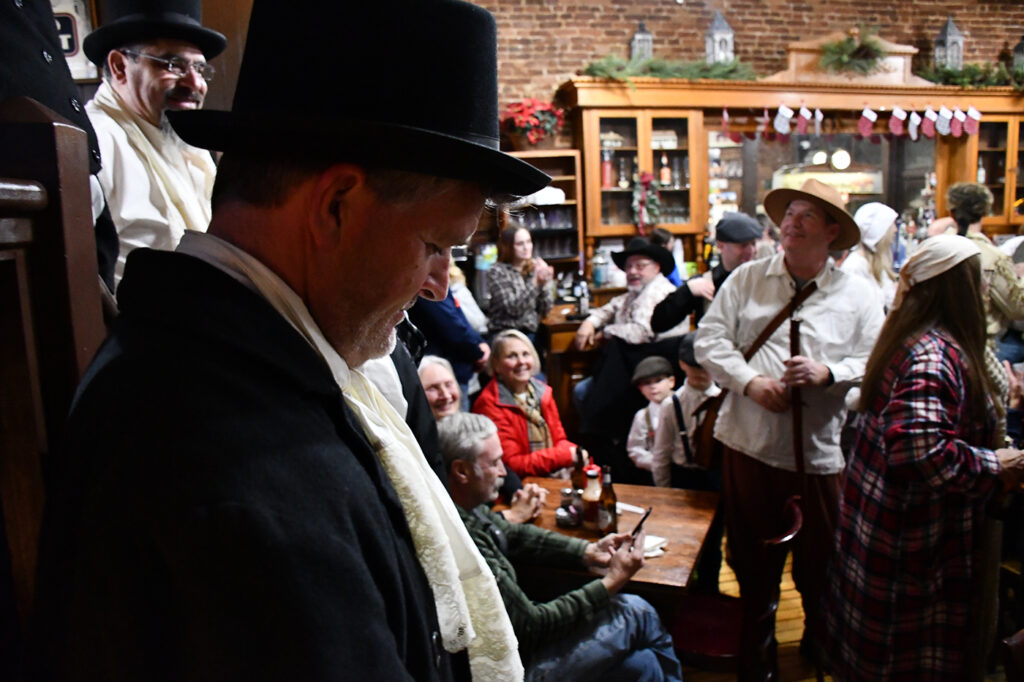
The Historic District Circuit – Following the Valle gym performance, the costumed troupe travels through Sainte Geneviève’s historic district, stopping at participating homes, businesses, restaurants, and venues. The route varies somewhat year to year depending on which locations agree to host the singers, but generally covers downtown area concentrating on establishments open New Year’s Eve and residences of families maintaining La Guiannée tradition.
At Each Stop:
- The troupe arrives in costume (period dress, masks, carrying musical instruments)
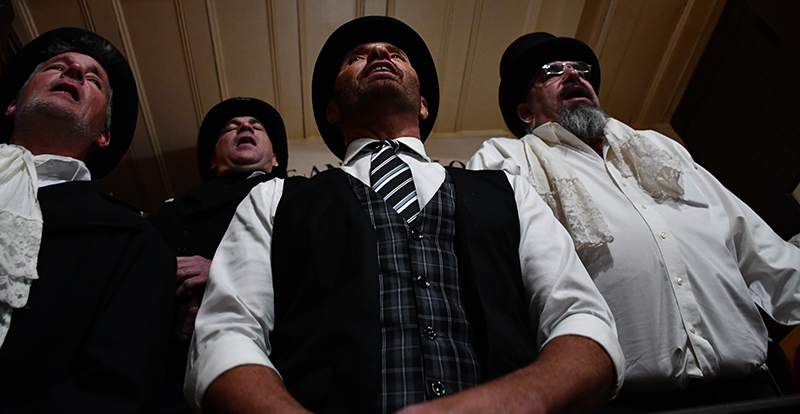
- They sing the La Guiannée song with full verses and traditional melody
- Participants offer New Year’s greetings and well-wishes
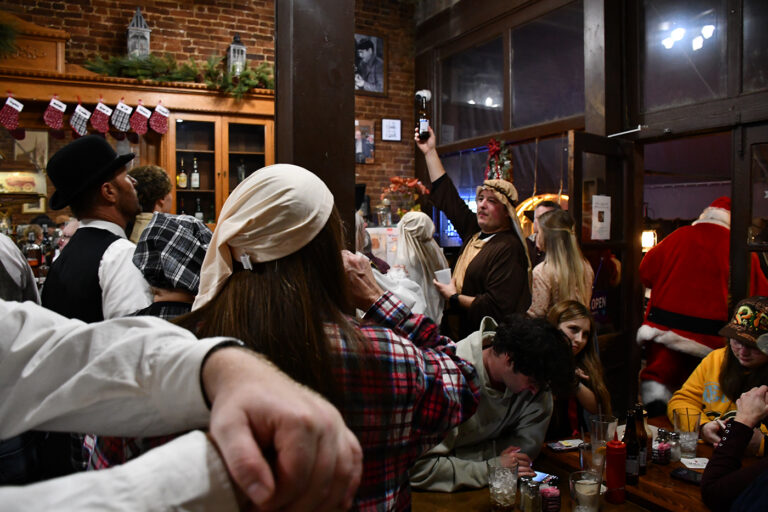
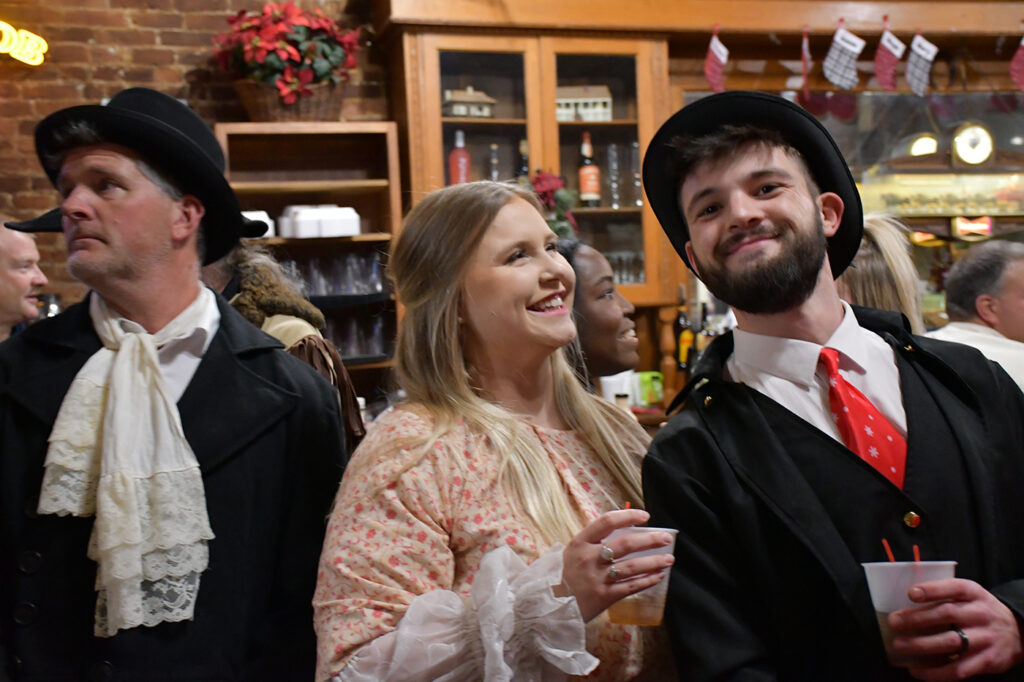
- Hosts provide refreshments—traditionally food and drink (alcohol frequently involved, fitting the “demanding libations” description)
- Brief socializing occurs before troupe moves to next location
- The entire stop might last 10-20 minutes before moving on
Restaurant Strategy for Visitors – Make dinner reservations at downtown restaurants where La Guiannée makes scheduled stops. Enjoy your meal knowing that at some point during evening, the troupe will arrive, perform, accept refreshments from restaurant, and create memorable interruption to your dinner. Popular restaurants for this experience include establishments in historic district that remain open New Year’s Eve and participate in welcoming the revelers.
La Guignolée Watch Party at Centre for French Colonial Life (6:30-8:30 PM) – This organized viewing option provides structured experience where attendees gather at the Centre, learn about La Guiannée’s history and significance, then watch performances either at the Centre itself or coordinate with troupe’s circuit to observe at optimal viewing locations. This suits visitors wanting guided experience with educational context rather than simply stumbling upon revelers in the streets.
Street Spectating – For more spontaneous experience, position yourself in historic district streets (particularly around downtown core) and wait for the troupe to appear. You’ll hear them before you see them—singing, laughing, musical instruments, general commotion. The costumes make them unmistakable, and their route through public streets means anyone can observe without special tickets or reservations.
Participation Possibilities – La Guiannée traditionally welcomes community participation. Locals sometimes join the troupe for portions of the circuit, particularly longtime residents familiar with songs and customs. For visitors, participation usually means:
- Attending Valle gym performance and singing along if you know French
- Hosting troupe at your lodging if you’re renting house in historic district and coordinate advance
- Joining watch party and accompanying troupe between locations
- Learning songs beforehand and asking if you can join (respectfully, recognizing this is community tradition not tourist entertainment)
The actual experience of witnessing La Guiannée combines several elements: surprise (even when you know it’s happening, the costumes and sudden appearance create theatrical effect), recognition of tradition’s age and continuity (you’re seeing exactly what residents saw in 1775, 1825, 1900, 1975), connection to Louisiana’s Mardi Gras traditions (those who’ve experienced rural Louisiana celebrations will feel immediate kinship), and simple entertainment value (the songs are catchy, the costumes are elaborate, the energy is infectious).
The Costumes: Bizarre, Archaic, and Deliberately Transgressive
La Guiannée’s costuming deserves attention as essential element creating the tradition’s distinctive character and visual impact.
“Bizarre and somewhat archaic costumes” is how descriptions consistently characterize La Guiannée attire, but what does this actually mean?
Period Clothing from 18th-19th Centuries – Many participants wear French colonial period dress: capots (long coats), breeches, tricorn hats, peasant blouses, long skirts, waistcoats, and other garments approximating what 18th-century French colonists actually wore. This creates historical accuracy connecting visual presentation to the tradition’s origins.
Masks and Disguises – Some revelers wear masks—sometimes beautiful period-appropriate masks, sometimes grotesque faces reminiscent of Louisiana’s Mardi Gras courirs with their exaggerated features and deliberately unsettling expressions. The masks serve multiple functions: they allow social transgression (anonymity permits behavior normally unacceptable), they create theatrical effect enhancing the performance, and they connect to medieval tradition where disguise enabled class distinctions to temporarily dissolve.
Deliberate Eccentricity – Beyond authentic period dress, participants sometimes incorporate deliberately odd elements: mismatched clothing, exaggerated accessories, gender-bending costumes (men dressed as women, harking back to tradition where male singers would dress as “la fille aînée” if no actual eldest daughter was available), and generally bizarre combinations that mark wearers as temporarily outside normal social constraints.
Musical Instruments as Props – Participants carry fiddles, guitars, accordions, and other instruments that both provide musical accompaniment and serve as visual indicators of the revelers’ identity—these are traveling musicians, troubadours, performers demanding welcome at each stop.
The costuming connects La Guiannée directly to Louisiana’s Mardi Gras traditions where elaborate handmade costumes, masks, and deliberately strange attire define participants and create visual spectacle. In both traditions, the costumes aren’t just fun dress-up but essential element enabling the transgressive behavior, communal participation, and temporary social inversion that characterizes these begging quest rituals.
Photography of La Guiannée benefits from the dramatic costumes—the period dress against historic district architecture, the masks catching light, the group dynamics as troupe moves through streets. For visual documentarians, content creators, and anyone seeking distinctive images, La Guiannée provides opportunities that standard New Year’s Eve celebrations cannot match.
Why La Guiannée Survives: Language Loss, Cultural Persistence, and Community Identity
Understanding La Guiannée’s survival requires confronting uncomfortable reality: French language itself is nearly extinct in Sainte Geneviève, yet French cultural traditions persist. This paradox—language death alongside tradition preservation—reveals complex dynamics of ethnic identity, cultural transmission, and community determination to maintain heritage even when daily language use becomes impractical or impossible.
Paw Paw French—the endangered dialect traditionally spoken in Missouri French communities including Sainte Geneviève—was still spoken as recently as 30-40 years ago by older residents who’d grown up in French-speaking households. Today, those native speakers are largely gone. Children aren’t raised speaking Paw Paw French. Daily conversations occur in English. The linguistic isolation that preserved French dialects in Missouri and Illinois valleys for nearly 200 years after American acquisition (Louisiana Purchase, 1803) finally succumbed to television, interstate highways, education systems emphasizing English, economic integration with broader American economy, and simple attrition as older generations died without passing language to descendants.
Yet La Guiannée survives. The songs are still sung in French—archaic French with vocabulary and grammar that native French speakers from France might struggle to understand, but unmistakably French nonetheless. Participants who don’t speak French in daily life memorize La Guiannée lyrics, perform them each New Year’s Eve, and pass them to next generation who’ll continue the practice.
This pattern—tradition surviving language death—appears throughout French North America. Louisiana’s rural Mardi Gras continues in communities where French language has faded significantly. Quebec’s traditional celebrations persist even as Quebec French evolves away from older forms. Sainte Geneviève’s La Guiannée, King’s Ball, and other French traditions remain active despite Paw Paw French approaching extinction.
Why traditions survive when language doesn’t:
Ethnic Identity Crystallizes in Festivals – When language loss occurs, ethnic identity increasingly manifests through visible cultural practices—festivals, traditional celebrations, foodways, music—that can be performed and observed even by people who no longer speak ancestral language. La Guiannée becomes more important as language marker fades, serving as public declaration: “We’re still French, we still maintain our ancestors’ customs, we haven’t completely assimilated even if we speak English now.”
Tradition Requires Less Daily Maintenance Than Language – Speaking language requires constant practice, daily use, and community of speakers. Maintaining La Guiannée requires one evening per year, organized effort by dedicated participants, and enough community support to make the circuit worthwhile. The maintenance costs differ dramatically—language demands continuous investment; tradition requires annual renewal.
Traditions Create Community Bonds – La Guiannée isn’t just cultural preservation—it’s social event that brings community together, creates shared experience across generations, and provides annual ritual marking calendar transition. These social functions give people practical reasons to maintain tradition beyond abstract cultural preservation goals.
Tourism and External Recognition Validate Preservation – As La Guiannée gains recognition (articles in Missouri Life, mentions in tourism materials, visitors specifically attending), community receives external validation that their tradition matters and deserves preservation. This recognition reinforces internal commitment and provides practical economic incentives (tourism dollars) supporting continuation.
Dedicated Individuals Make Commitments – Many cultural traditions survive because specific people—often inheriting family responsibility—commit to maintaining them. One participant quoted in Missouri Life describes promising his grandmother he’d keep La Guiannée going “as long as I could”—personal obligation to deceased family member who valued tradition. These individual commitments, multiplied across families involved in La Guiannée, create collective determination sustaining tradition through difficult periods when broader community support might waver.
The survival represents both cultural resilience and selective preservation—La Guiannée continues while countless other French customs in Missouri have vanished. Not every tradition survives; La Guiannée persists because it’s visible, performative, annual, and meaningful enough that successive generations choose to maintain it despite requiring effort, coordination, and commitment that easier entertainments don’t demand.
For visitors, witnessing La Guiannée means observing this preservation in action—seeing community actively maintaining heritage through practice rather than letting it become historical curiosity preserved only in books and archives.
Practical Information: Attending La Guiannée on New Year’s Eve
When: December 31st (New Year’s Eve), annually
Where: Sainte Geneviève Historic District, downtown area
Key Events and Locations:
7:00 PM – Valle Gym Performance Organized presentation with full troupe, song performances, historical explanations Open to public, family-friendly Best option for visitors wanting complete experience with context
6:30-8:30 PM – La Guignolée Watch Party Centre for French Colonial Life Guided viewing experience with educational component Coordinate with troupe circuit for optimal observation locations
Throughout Evening – Historic District Circuit Troupe travels to participating homes, businesses, restaurants Route varies year to year Timing unpredictable—expect troupe might arrive at any restaurant/business during dinner hours
How to Experience La Guiannée:
Restaurant Reservations – Book dinner at downtown historic district restaurants for New Year’s Eve. Call ahead asking if they’re on La Guiannée circuit that year. Enjoy meal knowing troupe will likely arrive during your dinner, creating memorable New Year’s Eve experience distinct from standard celebrations.
Valle Gym Attendance – Arrive at Valle gym by 7:00 PM for organized performance. This guarantees you’ll see the complete presentation regardless of whether you successfully intersect with street circuit later.
Watch Party Participation – Attend Centre for French Colonial Life event starting 6:30 PM for guided experience with historical context and coordinated viewing opportunities.
Downtown Positioning – Simply station yourself in historic district streets (Main Street, Market Street, areas around downtown core) and wait for troupe to appear. You’ll hear and see them coming.
Lodging Strategy – Stay in downtown historic district accommodation (Aunt Katie’s Corner, MorLy Cottage, Main Street Inn, Music Art Home, etc.) allowing easy access to La Guiannée activities without driving concerns on New Year’s Eve when participants and spectators may be drinking.
What to Expect:
French Language – Songs performed in archaic French (Paw Paw French dialect). You don’t need to speak French to appreciate the tradition, but understanding adds depth.
Costumes – Elaborate period dress, masks, theatrical presentation. Bring camera.
Alcohol – “Demanding libations” isn’t euphemism—refreshments include alcoholic drinks, participants may be drinking throughout circuit, festive atmosphere combines reverence for tradition with party energy.
Cold Weather – New Year’s Eve in Missouri can be very cold. Dress warmly if watching street circuit. Indoor venues (Valle gym, Centre, restaurants) provide warmth.
Crowds – La Guiannée attracts locals and visitors. Popular locations fill up. Reserve restaurant tables well ahead if you want guaranteed seating.
Unpredictable Timing – Unlike scheduled performances, the street circuit’s exact timing and route aren’t rigidly controlled. Troupe spends varying amounts of time at each location depending on hospitality, crowd size, and participants’ energy. Be patient.
Participatory Atmosphere – This isn’t passive spectator event. Hosts offer refreshments, audience sings along if they know songs, general interaction occurs between performers and observers. Engage respectfully.
Who Should Attend:
French Heritage Enthusiasts – People with French Canadian, Louisiana Cajun, or French colonial ancestry seeking connections to ancestral traditions
Louisiana Mardi Gras Veterans – Anyone who’s experienced rural Mardi Gras in Mamou, Iota, Eunice, or other Cajun prairie towns will recognize kinship and appreciate comparative perspective
Folklore and Traditional Culture Fans – Scholars, students, and enthusiasts of traditional celebrations, folk music, and living cultural heritage
Unique Experience Seekers – Travelers actively seeking distinctive, authentic cultural events rather than generic tourist attractions
New Year’s Eve Alternative Seekers – People tired of standard New Year’s Eve bar scenes, parties, or Times Square broadcasts who want genuinely different way to ring in new year
French Language Learners – Students or speakers of French interested in hearing archaic dialects and regional variations
Families Teaching Cultural Heritage – Parents wanting to expose children to authentic cultural traditions and demonstrate how ethnic heritage survives through active practice
Photography and Documentation Enthusiasts – Visual artists, content creators, and documentarians seeking distinctive subject matter unavailable in mainstream celebrations
Experience Sainte Geneviève’s Deep Connection to French North America’s Living Traditions
La Guiannée offers something tourism rarely provides: active participation in genuine 250-year-old tradition that’s maintained not for visitors but by community descendants of French colonial settlers who refuse to let their ancestors’ customs die. The connection to Louisiana’s rural Mardi Gras traditions—through shared lyrics, similar performance structures, and common French colonial origins—reveals cultural continuity spanning Mississippi River valley from Missouri to Gulf Coast, united by French heritage that somehow survived centuries of pressure to assimilate and conform.
On New Year’s Eve, join the hundreds who gather in Sainte Geneviève’s historic district to witness costumed revelers singing ancient French begging songs, demanding libations from hosts, and maintaining tradition that’s older than the United States itself. Watch the Valle gym performance. Reserve restaurant table and wait for troupe’s arrival. Join the watch party at the Centre for French Colonial Life. Or simply position yourself on historic district streets and let La Guiannée come to you—hearing the songs before you see the singers, watching elaborate costumes emerge from darkness, experiencing living connection to medieval European customs that crossed Atlantic with French colonists and refused to become museum pieces.
This is La Guiannée—Sainte Geneviève’s answer to Louisiana’s Mardi Gras, northern cousin to southern tradition, Missouri’s preservation of French begging quest ritual that Dennis Stroughmatt confirms shares actual lyrics with Iota’s Mardi Gras song across 800+ miles of distance and 250 years of parallel practice. Come ring in the New Year the way French colonists did in 1775, the way their descendants did in 1875, 1925, 1975, and continue doing every December 31st—singing in archaic French, dressed in bizarre costumes, wandering historic streets demanding hospitality, and proving that authentic cultural traditions survive when communities commit to maintaining them.
“Bonsoir le maître et la maîtresse“—the song has been sung for 250 years. Come hear it on New Year’s Eve and become part of living tradition that refuses to die.




Sorry, no records were found. Please adjust your search criteria and try again.
Sorry, unable to load the Maps API.