

Mecker Research Library – Where Robert and Odile Mecker’s Vision Created the Central Repository for French American Colonial History
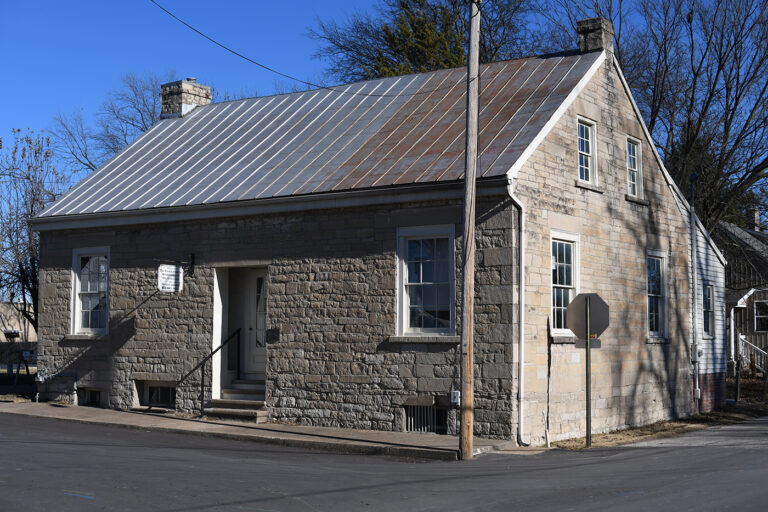
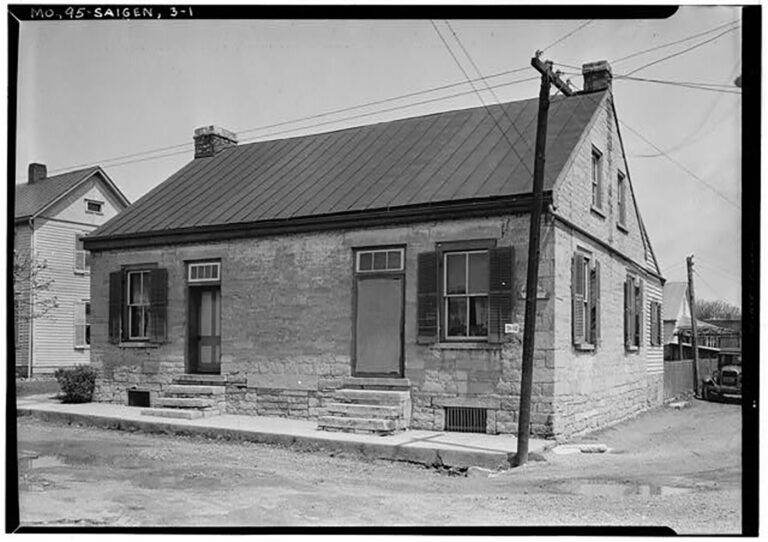
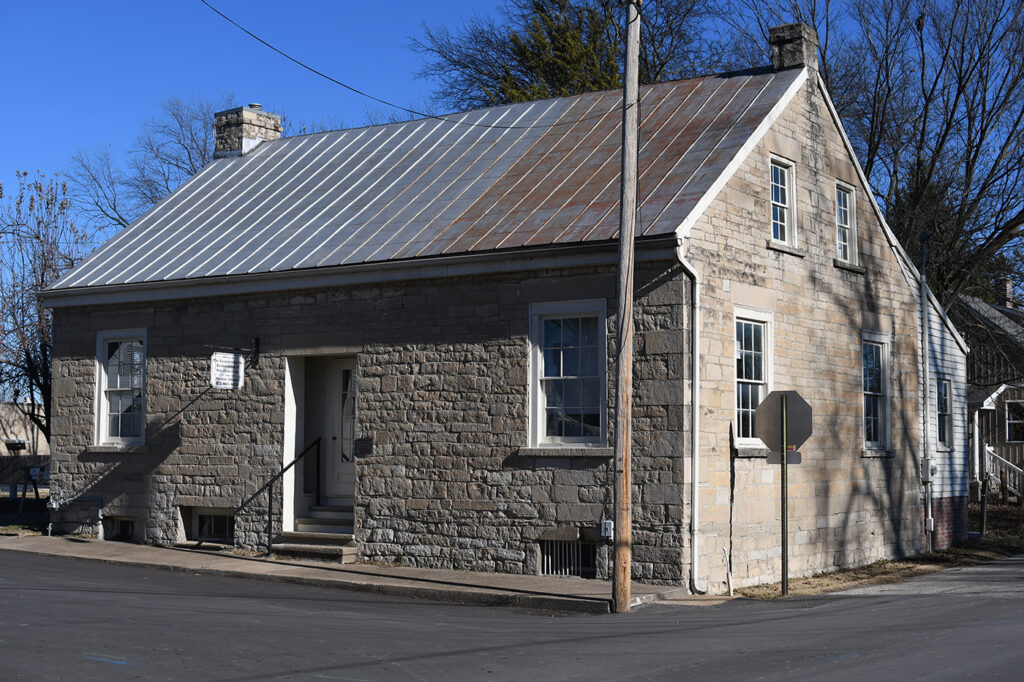
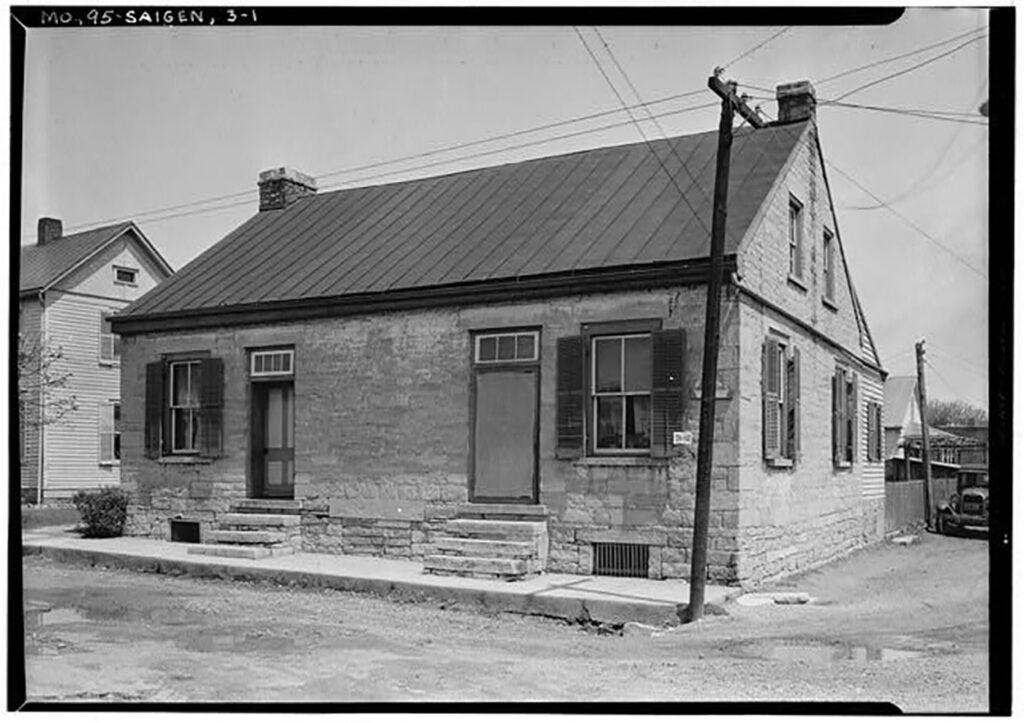
Most research libraries are institutional creations—university collections, government archives, museum repositories established through official channels with dedicated budgets and professional staffs. The Mecker Research Library emerged from something more personal: the passionate commitment of Robert and Odile Mecker, a retired St. Louis couple who bought and restored an 1820 house in Sainte Geneviève, became life members of the Foundation for Restoration of Ste. Genevieve, and recognized that scattered historical materials concerning the town’s French colonial heritage needed a central location where researchers could access books, papers, and documents—some rare—pertaining to the history of French and Spanish colonization in the Louisiana Territory. Robert Mecker, a CPA who spent 45 years with Price Waterhouse as an audit manager, served as president of the Foundation and helped bring national recognition to both the town and to Memorial Cemetery, Missouri’s oldest burial ground. As a result of his efforts, the Mecker Research Library was established in 2004 and housed in the Foundation’s historic 1813 Kiel-Schwent House at 198 South 2nd Street, where it has functioned ever since as the essential starting point for anyone researching French American Colonial History, the Ste. Genevieve District, the mid-Mississippi Valley region, or the genealogical connections that link contemporary families to the French, Spanish, and early American settlers who established Missouri’s first permanent European settlement west of the Mississippi River.
This is a non-circulating research library—materials don’t leave the premises, ensuring that rare and fragile documents remain preserved and accessible rather than disappearing into private collections or suffering damage through repeated handling and transport. The library is open Mondays and Thursdays from 10:00 AM to 4:00 PM, with additional access available by appointment for serious researchers whose schedules don’t align with regular hours. Beyond its physical collection of books and documents, the Mecker Library maintains indexes of related historic written materials available at public institutions throughout the region, creating a meta-archive that helps researchers locate resources scattered across multiple repositories. Perhaps most valuably, the library maintains files identifying private sources of information—family papers, personal collections, oral histories, photographs, and memorabilia held by individuals and families rather than institutions—that are crucial for researching the region’s history but nearly impossible to find without the kind of local knowledge and relationship-building that the Mecker Library has cultivated over two decades.
The library also operates a Speakers Bureau, presenting informative presentations on the area, its people, and customs at no cost for nonprofit organizations—extending the library’s educational mission beyond the reading room to schools, civic groups, historical societies, and community organizations throughout the region. For genealogists tracing Francophone ancestry, historians researching French colonial America, preservationists documenting historic architecture, and anyone seeking to understand how Sainte Geneviève’s unique heritage connects to broader patterns of colonization, settlement, and cultural persistence, the Mecker Research Library represents an indispensable resource created through private philanthropy and sustained through the Foundation for Restoration of Ste. Genevieve’s ongoing commitment to preserving and sharing the community’s remarkable past.
The Foundation for Restoration Headquarters
The Mecker Research Library shares space with the Foundation for Restoration of Ste. Genevieve’s administrative offices in the historic 1813 Kiel-Schwent House—a practical arrangement that places the region’s premier preservation organization alongside its premier research facility.
Founded in 1967 specifically to promote preservation and restoration of historic structures illustrating Sainte Geneviève’s early history and culture, the Foundation has evolved into comprehensive organization managing multiple historic properties, organizing signature community events, and providing the institutional structure that makes sustained preservation work possible.
The Foundation’s Core Functions:
Property Management – Maintains and presents the 1806 Jacques Guibourd Historic House (registered NRHP site) with public tours, events, and services; manages the 1813 Kiel-Schwent House as administrative headquarters and library location; oversees restoration and perpetual management of Memorial Cemetery (Missouri’s oldest cemetery)
Preservation Guidance – Provides expertise to individuals, organizations, and governments seeking to preserve and restore Sainte Geneviève’s historic structures; helps property owners navigate National Register nominations, tax credit processes, and appropriate restoration techniques
Tourism Promotion – Recognizes that tourism revenue provides economic incentive for preservation; markets Sainte Geneviève’s French Colonial history to sustain visitor interest supporting preservation-dependent economy
Event Programming – Sponsors annual signature events including the King’s Ball (Epiphany celebration with dancing and traditional King’s Cake ceremony), Déjà Vu Spirit Reunion (lantern-lit educational cemetery event where costumed locals portray historical figures), and Fall History Conference (bringing scholars to present on Sainte Geneviève and mid-Mississippi Valley culture)
Educational Initiatives – Awards stimulating interest in historic preservation; operates Speakers Bureau (housed within Mecker Library) providing free educational presentations to nonprofit organizations
The co-location of library and Foundation headquarters creates synergy—researchers consulting library materials can ask Foundation staff about accessing additional resources, preservation questions inform research inquiries, and the Foundation’s institutional knowledge enhances the library’s ability to serve scholars and genealogists effectively.
Sorry, no records were found. Please adjust your search criteria and try again.
Sorry, unable to load the Maps API.