


Quintessential Rivertown Spice & Tea – Where 75+ Teas and 100+ Spices Meet Proper Tea Service in a Three-Stage Historic Home
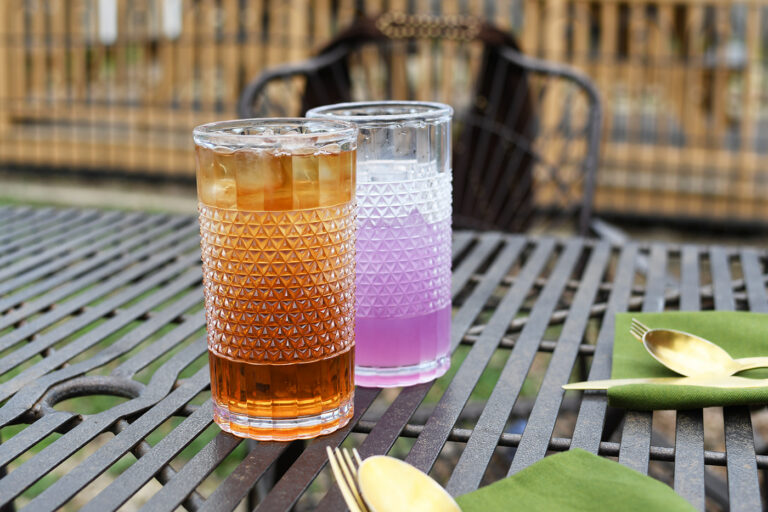
Most tea shops offer a dozen common varieties and call it a selection. Quintessential Rivertown Spice & Tea stocks over 75 tea varieties and more than 100 different spices in an 1811 historic home that’s been lovingly converted into a tasting lounge, gift shop, and lunch destination where tea isn’t just steeped—it’s brewed at precisely the correct temperature using thermometers that ensure each variety reaches its optimal extraction point. This matters enormously. Green tea scorched at boiling temperatures turns bitter and astringent. Black tea steeped too cool tastes flat and underdeveloped. White tea needs gentle heat. Oolongs demand specific ranges. The difference between mediocre tea and exceptional tea often comes down to water temperature precision that most cafés ignore in favor of speed and convenience. At Quintessential Rivertown, they do it right—measuring, monitoring, and delivering tea the way serious tea enthusiasts know it should be prepared.
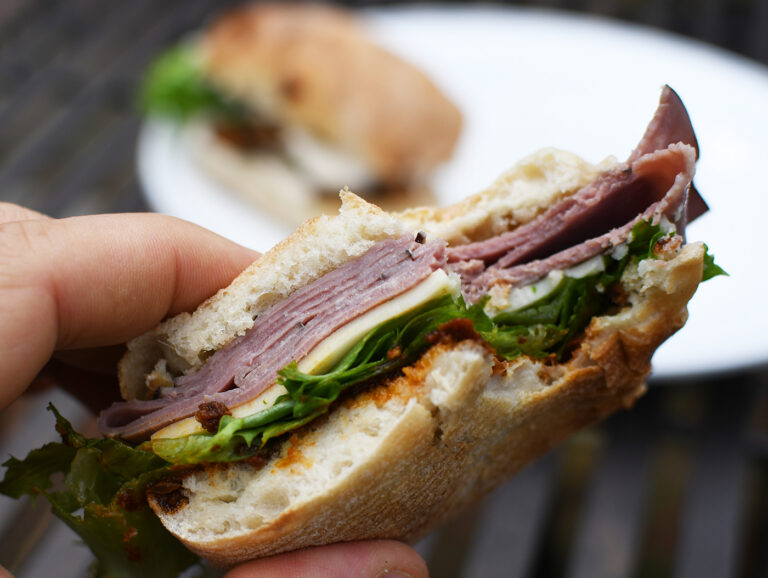
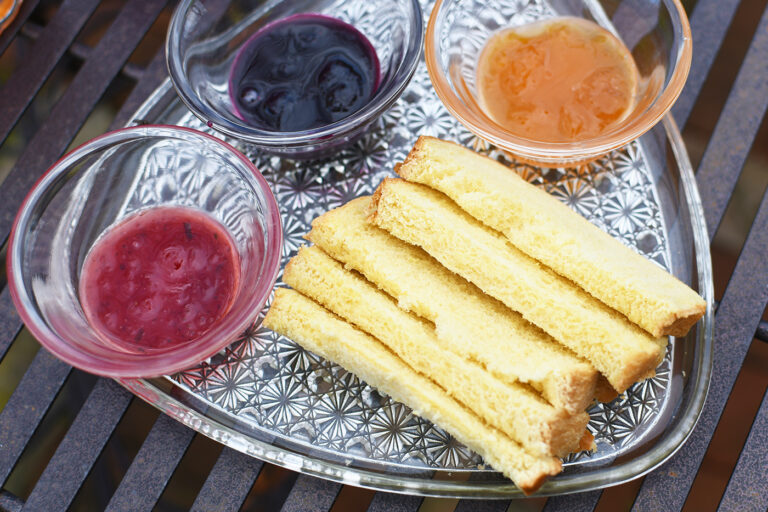
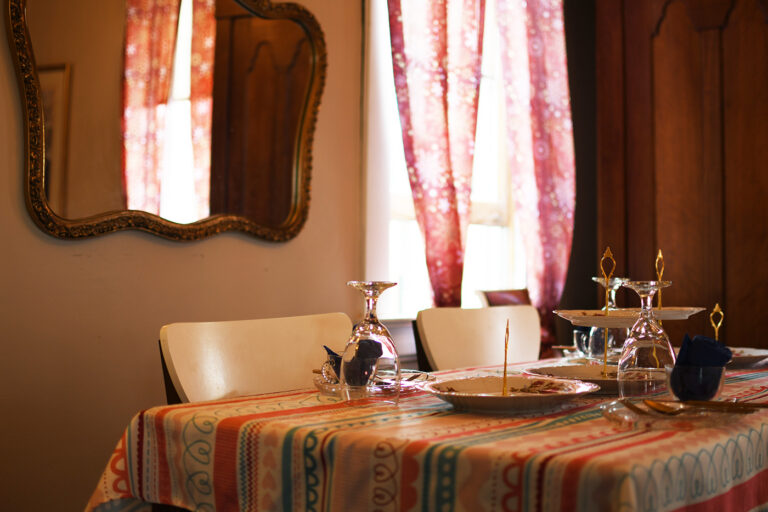
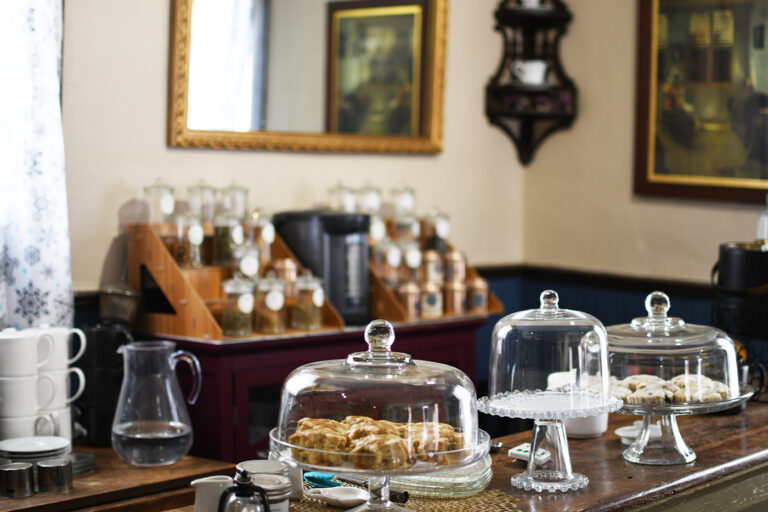
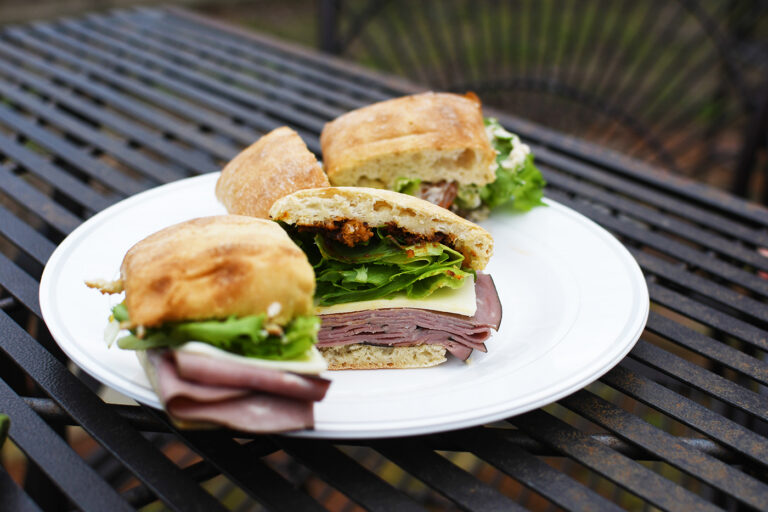
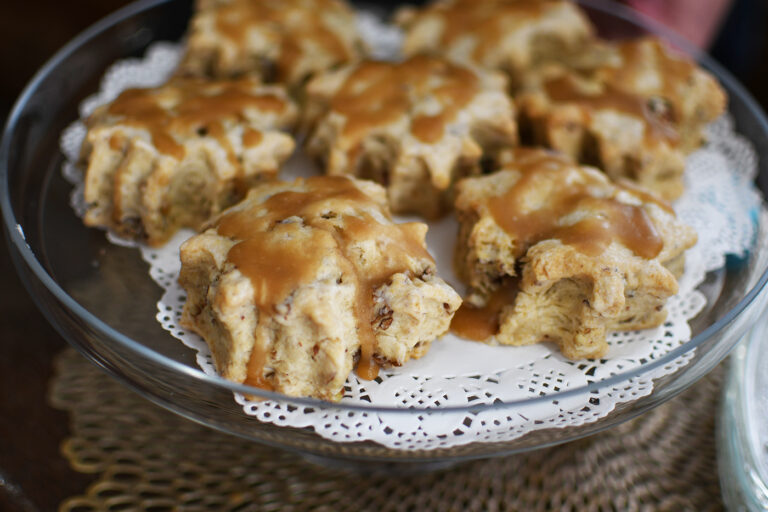
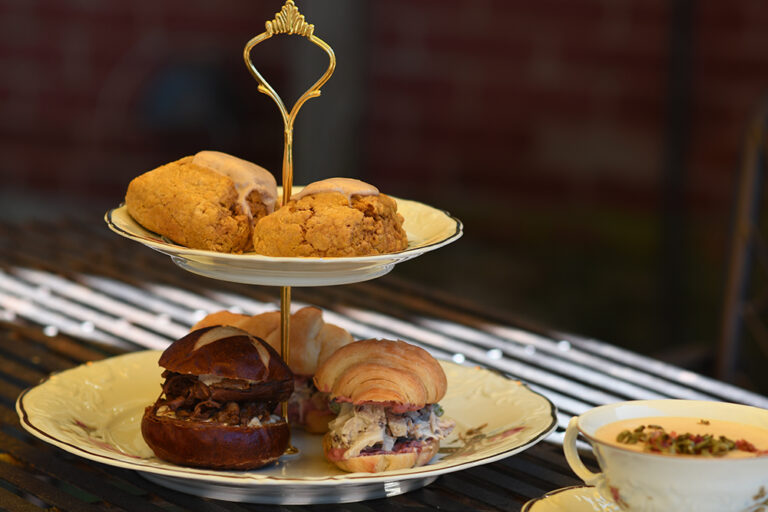
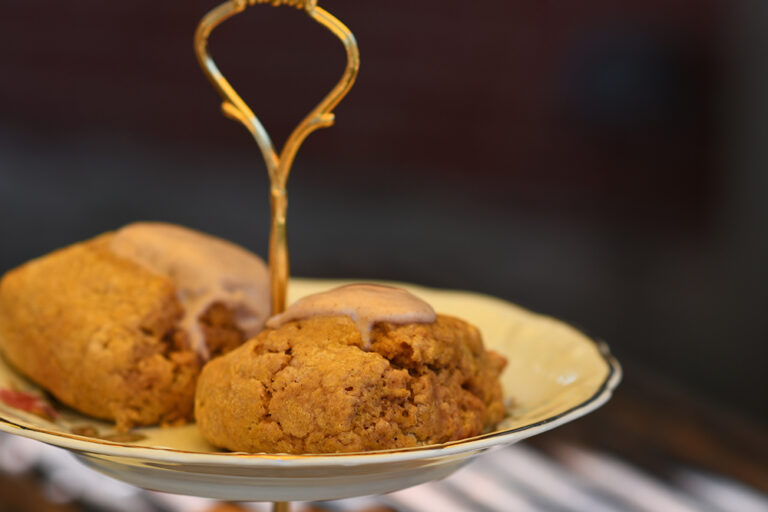
Beyond the tea expertise, this is where you discover lunch done delicately rather than heartily—dainty sandwiches with crusts trimmed, finger foods arranged on tiered serving platters, expertly baked scones with clotted cream and preserves, and baked goods that demonstrate the kind of attention to detail that the name “Quintessential” promises and the execution delivers. The building itself tells a story: constructed in three distinct stages starting with the 1811 original home (now housing the spice reception area), it served generations of family life and shopkeeping before its current incarnation as the place where Sainte Geneviève’s slower pace, appreciation for craft, and commitment to doing things properly manifests in cups of perfectly brewed tea and plates of beautifully presented food.
The Historic Bossier Home: Three Centuries, Three Additions
The building housing Quintessential Rivertown has been constructed in three distinct stages, creating a physical record of how Sainte Geneviève’s buildings evolved to meet changing family and commercial needs across two centuries.
The 1811 Original Home – The initial structure now serves as the Spice and Reception area. Built just eight years after the Louisiana Purchase, this portion represents the transition period when Sainte Geneviève was shifting from French colonial village to American town. The 1811 home would have been residential initially, housing a family and possibly incorporating commercial space for shopkeeping—a common pattern in 19th-century small-town buildings where first floors served business functions while upper floors provided living quarters.
Subsequent Additions – The two later additions (dates not specified in available information, but likely mid-to-late 1800s based on Sainte Geneviève’s building patterns) expanded the original 1811 structure to accommodate growing commercial operations or larger family needs. These additions create the “magnificent historic home” visitors notice immediately upon arrival—the scale signals that this wasn’t a modest dwelling but a substantial property reflecting prosperity and importance in the community.
The Long History of Family Life and Shopkeeping – For over 200 years, this building has functioned at the intersection of domestic life and commercial enterprise. Previous generations lived upstairs while operating businesses below. The building witnessed Sainte Geneviève’s evolution from frontier outpost to established river town to tourist destination preserving its French colonial heritage. The current use as tea shop and lunch venue continues the shopkeeping tradition while adapting to contemporary tastes and needs.
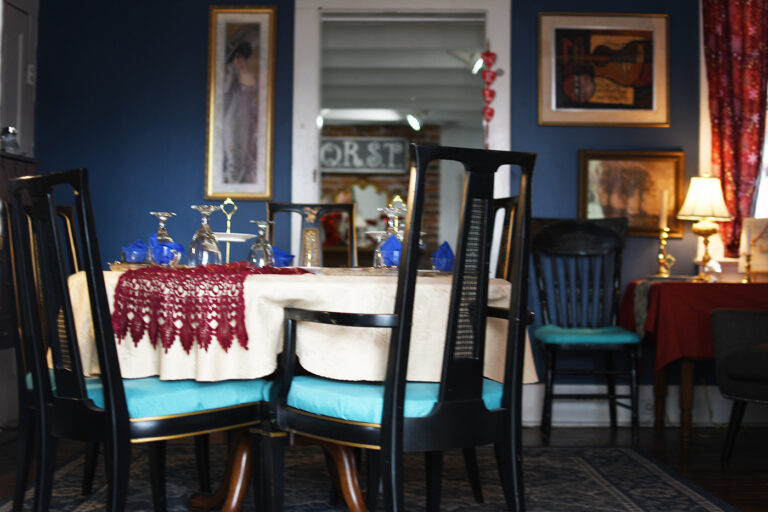
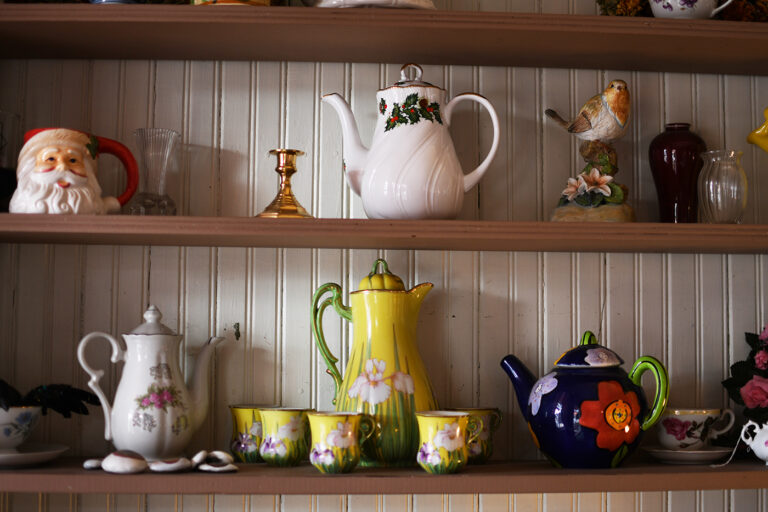
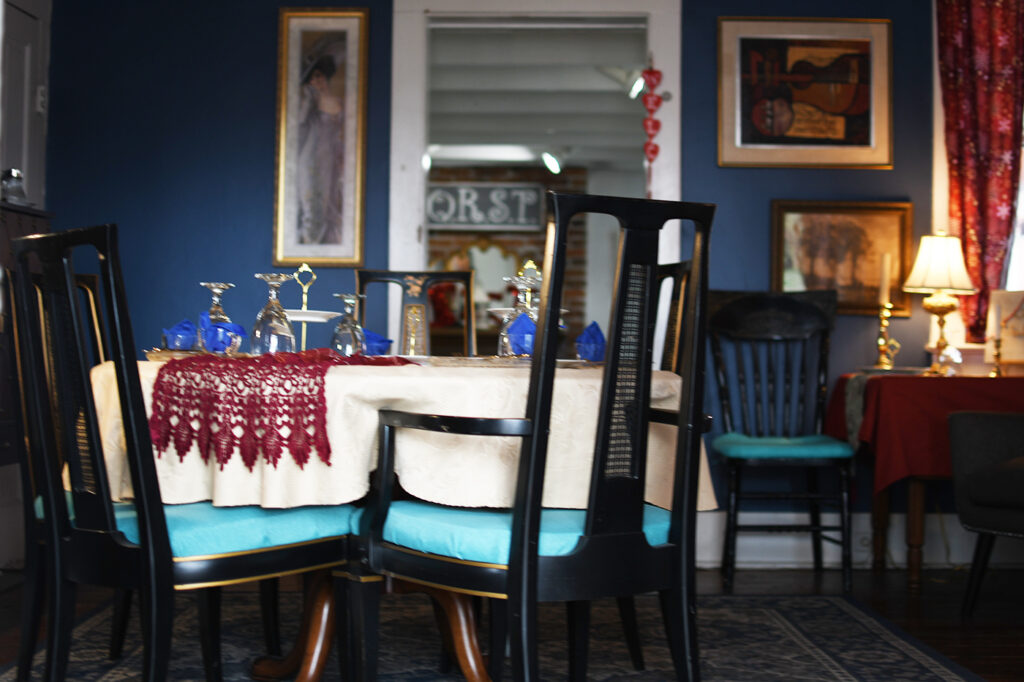
The building’s restoration and adaptation for Quintessential Rivertown demonstrates how historic structures can be “lovingly cared for and maintained” while serving modern functions. The proprietors haven’t gutted the interior for contemporary aesthetics but have preserved the historic character while installing the infrastructure (commercial kitchen, proper ventilation, refrigeration, etc.) required for food service and retail operations.
The Tea Selection: 75+ Varieties and Temperature Precision
Quintessential Rivertown’s tea program goes far beyond the standard black-green-herbal trifecta that passes for selection in most cafés. With over 75 varieties available, the shop offers depth within tea categories that allows customers to discover subtle differences between similar teas and develop genuine tea literacy.
The Variety Breakdown likely includes:
Black Teas – English Breakfast, Earl Grey, Assam, Ceylon, Darjeeling, Lapsang Souchong, Keemun, and numerous blends and single-estate offerings
Green Teas – Sencha, Dragon Well (Longjing), Gunpowder, Jasmine, Genmaicha, and regional variations from China, Japan, and Korea
White Teas – Silver Needle, White Peony, and other delicate, minimally-processed teas requiring the gentlest brewing temperatures
Oolong Teas – The vast category between green and black, ranging from lightly oxidized floral varieties to heavily roasted complex styles
Pu-erh Teas – Fermented and aged teas from Yunnan province, both raw (sheng) and ripe (shou) varieties
Herbal Tisanes – Chamomile, peppermint, rooibos, hibiscus, and countless blended infusions (technically not “tea” since they don’t contain Camellia sinensis, but grouped with teas for retail purposes)
Flavored and Blended Teas – Combinations of base teas with fruits, flowers, spices, and other flavorings creating unique taste profiles
The Temperature Precision – This is where Quintessential Rivertown distinguishes itself from casual tea service. Using thermometers to heat water to exactly the correct temperature for each tea variety demonstrates:
Knowledge – Understanding that different teas require different temperatures (generally: white and green teas 160-180°F, oolongs 180-200°F, black teas 200-212°F, herbal tisanes at full boil)
Commitment – Taking the extra time to monitor temperature rather than just boiling water and hoping for the best
Results – Properly heated tea tastes dramatically better than tea brewed at incorrect temperatures, revealing subtle flavors that harsh boiling or insufficient heat would mask or destroy
For tea enthusiasts who’ve suffered through scorched green tea at coffee shops where baristas don’t know or care about temperature, finding a venue that uses thermometers feels like discovering an oasis. The temperature precision signals that Quintessential Rivertown takes tea seriously, that the proprietors understand the craft, and that customers will receive tea prepared according to best practices rather than just hot leaf water.
Single-Serving Sales and the Tasting Lounge – Many tea varieties are available for purchase in single-serving size, allowing customers to try teas hot or cold before committing to larger quantities. The tasting lounge provides comfortable space to “hang out and enjoy” rather than just grab-and-go service. This creates a tea culture—a place where people linger, converse, and appreciate tea as an experience rather than just caffeine delivery.
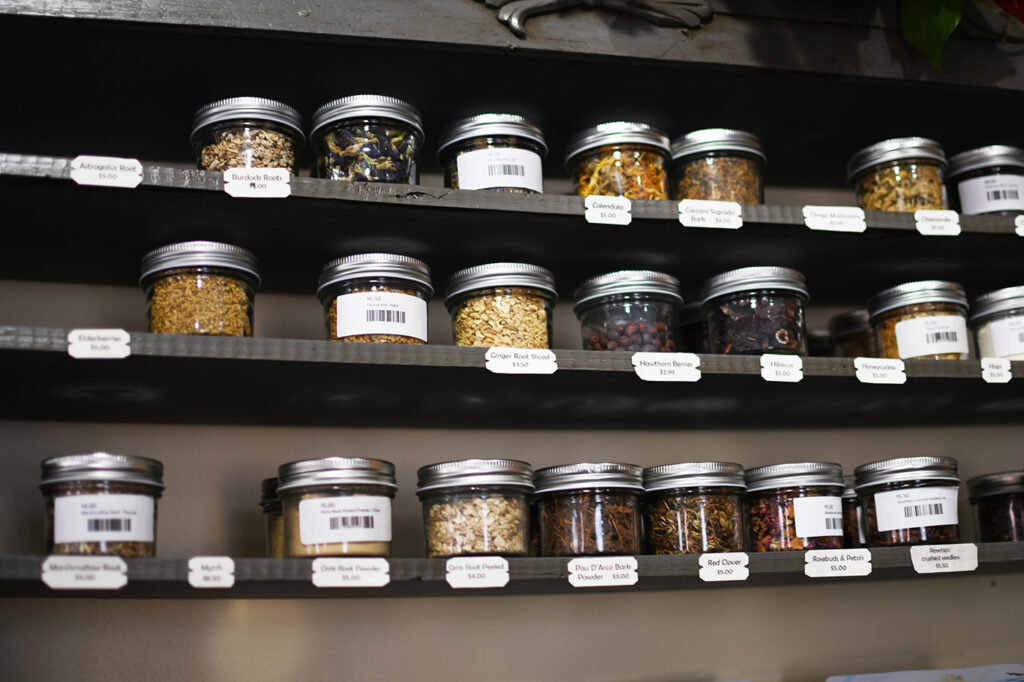
The Spice Collection: 100+ Varieties Creating Sensory Overload
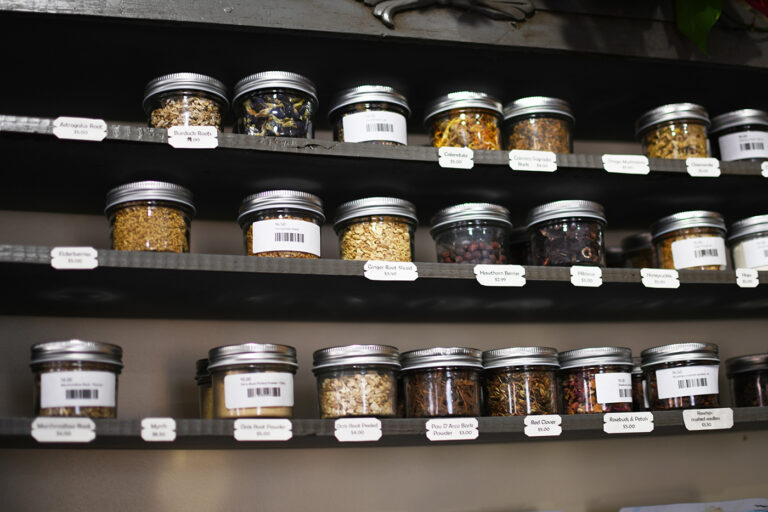
The spice selection rivals the tea variety, with over 100 different spices creating what the description calls a “Spice and Dry Goods store of old”—the kind of establishment where visual impact and aroma transport you to a different era.
The Range likely includes:
Common Culinary Spices – Cinnamon, cumin, coriander, paprika, black pepper, cayenne, nutmeg, cloves, and the familiar seasonings that form the backbone of most cuisines
Specialty and Exotic Spices – Saffron, cardamom, star anise, sumac, za’atar, fenugreek, and harder-to-find varieties that serious cooks seek for specific recipes or cultural cuisines
Gourmet Salts – The “visual impact of the gourmet salts” suggests selection including Himalayan pink salt, fleur de sel, smoked salts, black lava salt, and specialty finishing salts that elevate dishes beyond standard table salt
Dried Herbs and Flowers – The “smell of the dried flowers and herbs” indicates inventory including lavender, rose petals, calendula, chamomile flowers, and botanical ingredients used for both culinary and wellness applications
Roots and Barks – Select medicinal and culinary roots (ginger, turmeric, licorice) and barks (cinnamon, cassia) expanding the selection beyond surface-level spice offerings
Organic, Wildcrafted, and Kosher Options – The emphasis on organic (grown without synthetic pesticides/fertilizers), wildcrafted (harvested from wild plants rather than cultivated), and kosher (meeting Jewish dietary law requirements) certifications signals attention to sourcing quality and serving customers with specific dietary or ethical preferences
The Sensory Experience – Walking into the spice area creates multi-sensory impact that modern supermarkets (with their pre-packaged, sealed spice jars) cannot match. The visual appeal of dozens of glass jars, ceramic containers, or bulk bins displaying colorful spices. The aromatic layering as cinnamon, cumin, dried roses, and gourmet salts create complex scent combinations. The tactile invitation to touch, smell, and examine spices before purchase. This is shopping as experience rather than transaction—the kind of engagement that justifies driving to Sainte Geneviève rather than ordering spices online or buying from generic grocery shelves.
Lunch: Dainty Sandwiches and Proper Tea Service
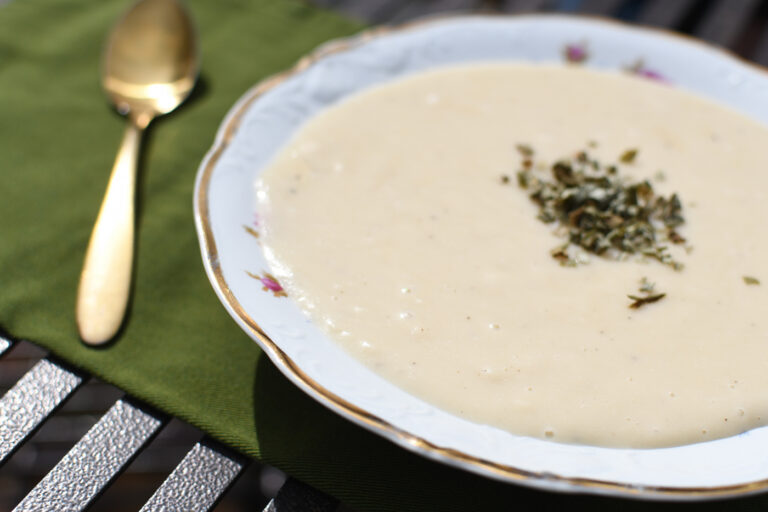
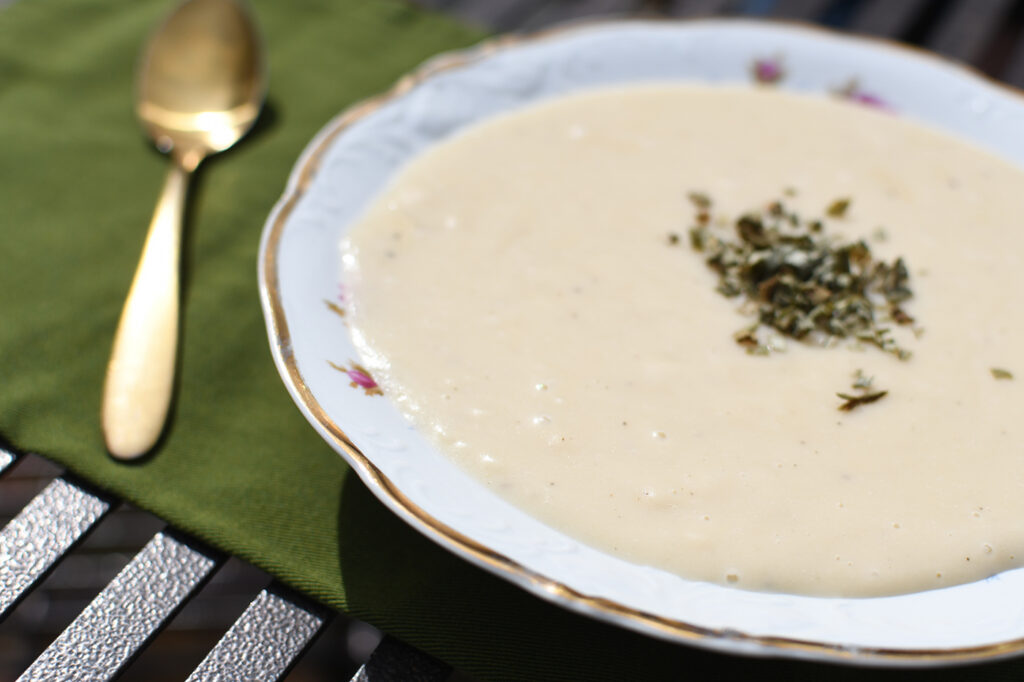
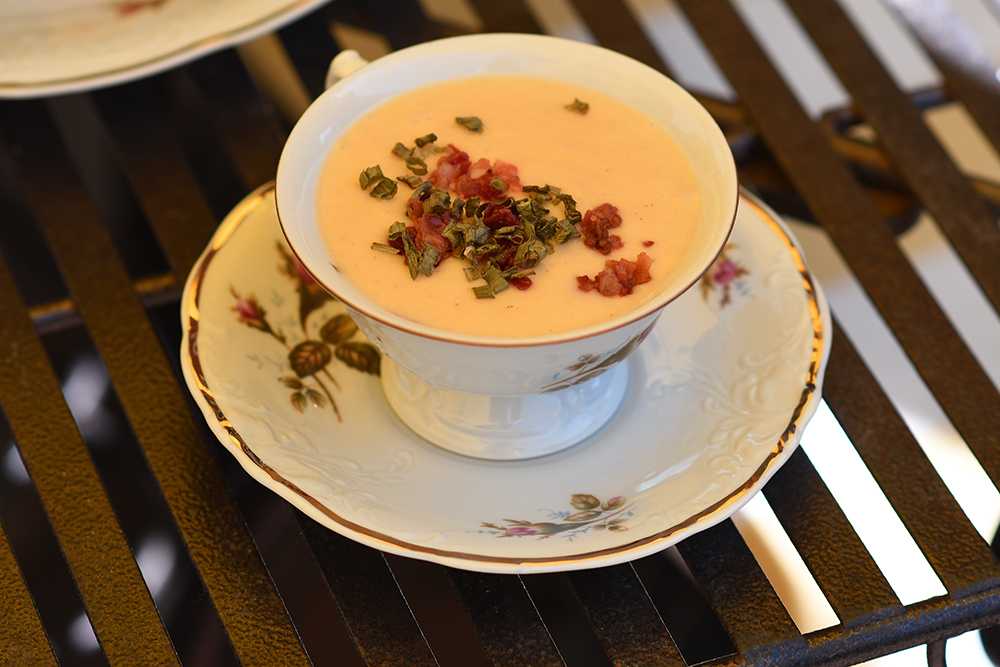
Quintessential Rivertown’s lunch program complements the tea service with food scaled to afternoon tea traditions rather than American super-sized portions.
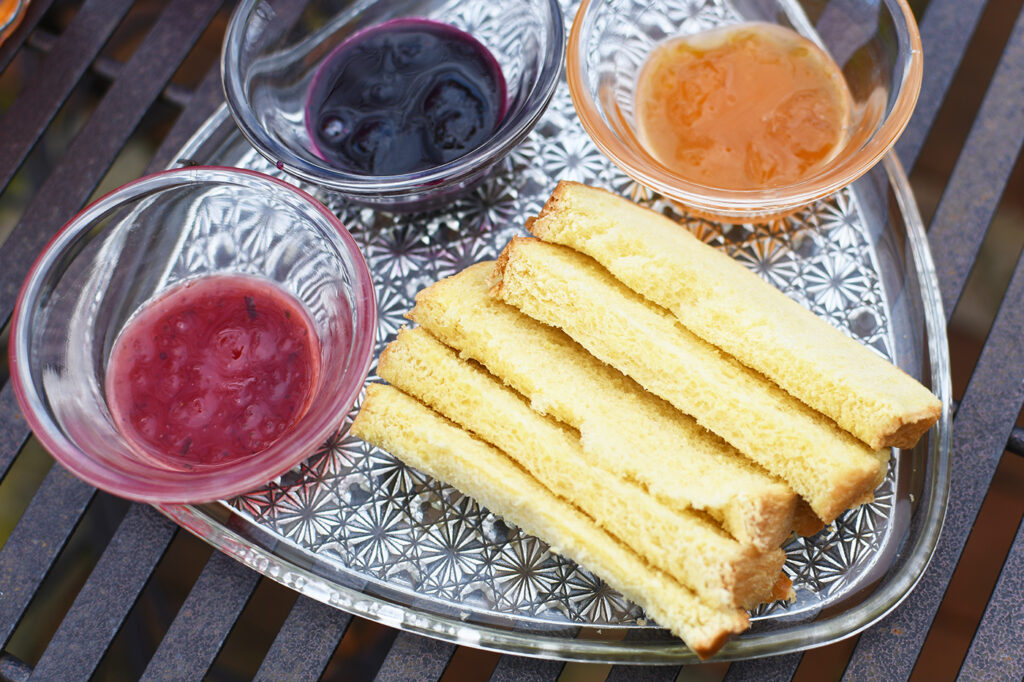
Dainty Sandwiches – The descriptor “dainty” signals:
- Crusts removed (the hallmark of tea sandwiches)
- Cut into triangles, fingers, or small portions
- Delicate fillings (cucumber with cream cheese, chicken salad, egg salad, smoked salmon, watercress)
- Multiple varieties on a single serving, creating variety rather than one massive sandwich
This is food designed to be eaten while holding teacups, while wearing nice clothes without worrying about drips, and while engaging in conversation rather than focused eating. The portion control encourages trying multiple items rather than filling up on one thing.
Finger Foods – Items designed to be eaten by hand without utensils, likely including:
- Tea sandwiches (already mentioned)
- Savory pastries (cheese straws, small quiches, tartlets)
- Fresh fruit arrangements
- Petit fours or small desserts
The finger food approach creates casual elegance—food that’s refined without being fussy, approachable without being pedestrian.
Expertly Baked Scones – Scones represent the cornerstone of proper afternoon tea. Good scones are:
- Tender but not cake-like
- Lightly sweetened, allowing for jam/cream additions
- Best when served warm
- Properly proportioned to eat in a few bites
“Expertly baked” indicates these aren’t dry, hockey-puck scones from a mix but properly executed baked goods demonstrating genuine pastry skills. Served with clotted cream (if available, though it’s expensive and hard to source in the U.S.) or at minimum good quality butter and fruit preserves, scones complete the traditional tea experience.
Other Baked Goods – The broader category suggests cookies, small cakes, tarts, and other treats that pair well with tea and contribute to the “afternoon tea” ambiance Quintessential Rivertown cultivates.
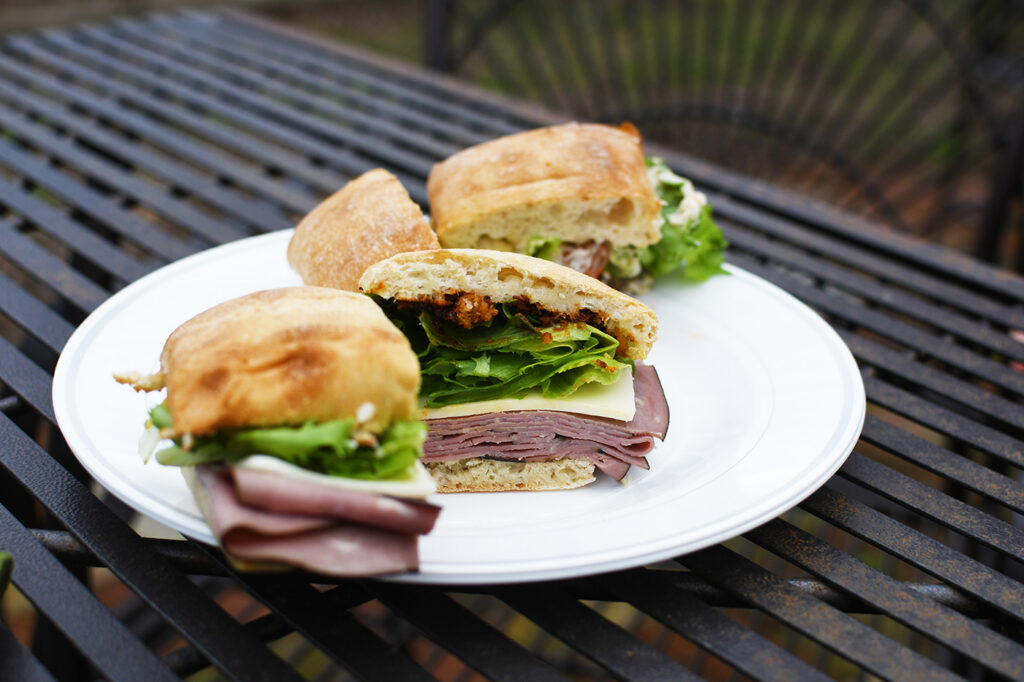
The Chicken Salad Sandwich – Reviews specifically mention chicken salad sandwiches available to-go, indicating the menu accommodates both dine-in tea service and quick lunch options for tourists wanting quality food without extended table time. The to-go capability serves visitors exploring downtown who want good food they can eat while continuing their Sainte Geneviève tour.
Why This Approach Works in Sainte Geneviève
Quintessential Rivertown’s tea-centric, refined-food approach succeeds specifically because of Sainte Geneviève’s character and visitor demographics:
The Slow Pace – Sainte Geneviève attracts visitors seeking escape from rushed modern life. Sitting down for properly brewed tea and dainty sandwiches aligns with the town’s slower, more deliberate atmosphere.
The Historic Setting – Serving tea in an 1811 house creates thematic coherence—you’re experiencing refined traditions (tea service) in a building that predates many of those traditions’ arrival in Missouri but that embodies the same care for craft and quality.
The Demographics – Sainte Geneviève draws history enthusiasts, preservationists, cultural tourists, and people who appreciate quality over speed. These demographics overlap significantly with people who value proper tea service and understand why temperature precision and dainty presentation matter.
The Absence of Rush – Unlike urban tea shops needing to turn tables quickly, Quintessential Rivertown can let customers linger, enjoying the tasting lounge and multiple tea varieties without pressure to leave. The Wednesday-Friday 11 AM-2:30 PM and Saturday-Sunday 11 AM-5 PM hours suggest focus on quality service during peak visitor times rather than attempting all-day operation.
Practical Information
Location: 195 Market Street, Ste. Genevieve, MO 63670
Hours:
- Monday-Tuesday: Closed
- Wednesday-Friday: 11:00 AM – 2:30 PM
- Saturday-Sunday: 11:00 AM – 5:00 PM
Contact: (573) 880-7037
What to Experience:
The Tea Selection – Browse over 75 varieties, ask for recommendations based on your preferences, try single-serving sizes before committing to larger purchases
The Tasting Lounge – Settle in with properly brewed tea (heated to exact temperatures), enjoy the historic home setting, and experience tea service done right
Lunch – Dainty sandwiches, finger foods, expertly baked scones, and other baked goods suitable for afternoon tea or light lunch
The Spice Shop – Explore over 100 spices including organic, wildcrafted, and kosher options; experience the visual and aromatic impact of a proper spice merchant
To-Go Options – Grab chicken salad sandwiches or other lunch items for eating while continuing downtown explorations
Who Should Visit:
Tea Enthusiasts – People who appreciate proper tea preparation, temperature precision, and access to varieties beyond grocery store basics
Afternoon Tea Devotees – Anyone seeking traditional afternoon tea experience with scones, finger sandwiches, and refined service
Food Shoppers – Home cooks seeking quality spices, herbs, and specialty ingredients unavailable in standard supermarkets
Historic Home Lovers – Visitors wanting to experience an 1811 building adapted for contemporary use while preserving character
Lunch Seekers – Tourists wanting light, quality lunch in charming setting rather than heavy restaurant meals
Gift Shoppers – People seeking unique tea blends, specialty spices, or artisan food products as gifts
Anyone Needing to Slow Down – The tasting lounge and tea service pace forces deceleration in the best possible way
Experience Tea Done Properly
In a town where care and attention to detail define the experience, Quintessential Rivertown Spice & Tea represents those values in liquid and edible form. Using thermometers to heat tea water to exactly the correct temperature isn’t pretentious—it’s the difference between tea that tastes harsh or flat and tea that reveals the subtle flavors serious growers and blenders intended. Serving dainty sandwiches with crusts removed isn’t fussy—it’s acknowledging that presentation, proportion, and tradition matter when creating genuine afternoon tea experience rather than just serving lunch.
Visit Quintessential Rivertown at 195 Market Street. Try tea varieties you’ve never encountered. Sample spices you can’t find in supermarkets. Experience lunch as refined pleasure rather than fuel consumption. And leave understanding why people who know tea seek out the rare venues that do it properly—because once you’ve had perfectly brewed tea at the correct temperature, everything else tastes like the compromise it is.
Wednesday-Friday 11 AM-2:30 PM, Saturday-Sunday 11 AM-5 PM. (573) 880-7037. Where tea thermometers, 75+ varieties, and an 1811 historic home combine to create Sainte Geneviève’s most quintessentially refined experience.





Sorry, no records were found. Please adjust your search criteria and try again.
Sorry, unable to load the Maps API.