

Absolutely! Let me expand Rivertown Retreat into the full format:
Rivertown Retreat
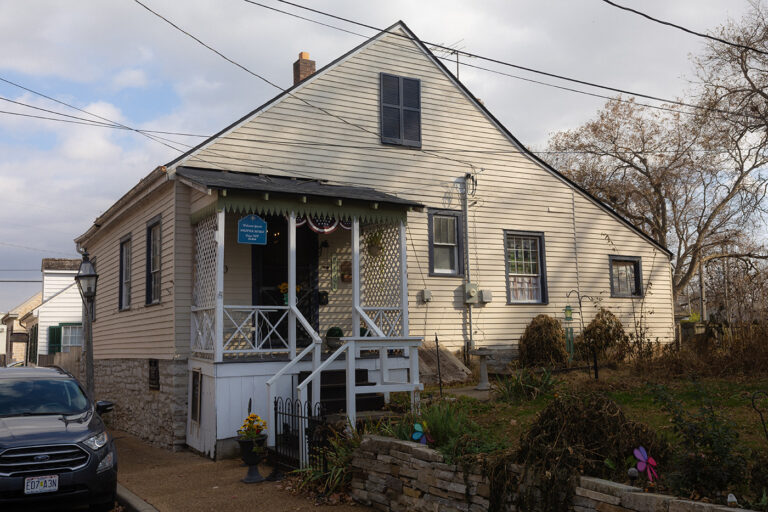
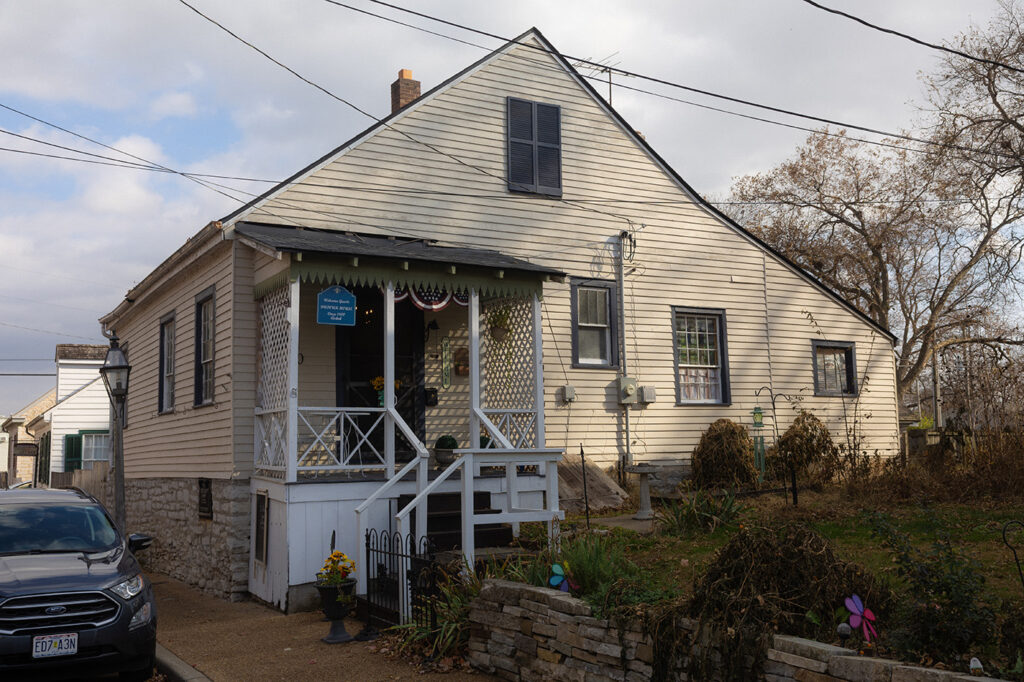
At Merchant Street in downtown Ste. Genevieve, Rivertown Retreat offers guests a chance to sleep in the historic Dufour House—a remarkable 1787 structure where local legend suggests William Clark and the Lewis and Clark Expedition may have lodged on December 4, 1803, during their journey up the Mississippi to find winter quarters. Built by Parfait Dufour, prominent merchant and old settler, this home stands as one of Merchant Street’s original 18th-century residences, located in the heart of the National Historic Landmark District where “everything is within walking distance.” Today, Superhost Jayne (7 years hosting, 371 reviews, 4.97 rating) operates this beautifully remodeled cottage that preserves authentic 1700s architectural character while providing modern comfort for four guests. The result: a 5.0-star rated “guest favorite” where visitors experience history firsthand, stepping out the door to Common Grounds Coffee across the street, walking to Sirros Restaurant and Anvil Saloon within steps, touring French Colonial houses within blocks, and sleeping in original river glass windows where explorers may have rested 220+ years ago. Book exclusively through Airbnb or contact Ste. Genevieve tourism office for assistance.
The Dufour House: Built by a Prominent Merchant in 1787
Parfait Dufour constructed this house around 1787 during Ste. Genevieve’s golden age as the first organized European settlement west of the Mississippi River. Dufour was an “old settler and prominent merchant”—one of the French Colonial figures who made Ste. Genevieve a thriving commercial center when St. Louis was still emerging. His house sat among the warehouses, stores, and residences that lined Merchant Street, the commercial heart of the town.
The building’s history connects to major Ste. Genevieve families and enterprises. In 1818, Jean Baptiste Bossier (who served in Missouri’s first legislature) acquired property from Parfait Dufour and built commercial structures nearby. These buildings—the Dufour House, the neighboring Shaw House, and the Bossier warehouses—formed an interconnected complex where merchants conducted business, stored goods, and lived above or beside their enterprises. The Dufour-Rozier Building on Merchant Street, another structure associated with the Dufour family, operated as warehouse and commercial space throughout the 1800s.
Merchant Street itself represents the evolution of Ste. Genevieve from French Colonial village to American town. An 1876 directory shows the street bustling with meat markets with rendering facilities, saloons, post office with hand printing establishment upstairs, restaurants, bakeries, and general stores. An 1894 Sanborn map documents even more density—every building on the street served commercial or residential function, sometimes both simultaneously. This mixed-use character—living and working in the same structure—defined urban life in early American river towns.
The Dufour House survived floods, fires, wars, and two centuries of change. When the Historic American Buildings Survey documented the house in 1933, they recognized it as significant example of late 18th-century construction. The building appears in Library of Congress photographs alongside its neighbors—the Shaw House and the Philipson (Felix Vallé) House—capturing a streetscape that still exists today, remarkably intact.
The Lewis and Clark Connection: December 4, 1803
When William Clark wrote in his journal on December 4, 1803, he described Ste. Genevieve as a vibrant French Creole community where French, Spanish, and African-American cultures coexisted. Clark and the Lewis and Clark Expedition were traveling up the Mississippi River from Cahokia, Illinois, searching for suitable winter quarters before their spring 1804 departure up the Missouri River. They passed Ste. Genevieve—then the most established settlement in Upper Louisiana—and took note of the town.
Local legend suggests they stayed at the Dufour House. While Clark’s journal doesn’t specify exact lodging, the circumstances support the possibility. The expedition needed accommodations, Ste. Genevieve was the logical stopping point, and the Dufour House—owned by prominent merchant—would have been exactly the type of respectable establishment where expedition leaders would lodge. French hospitality was renowned; Clark himself later described St. Louis as having “French hospitality” and being “steeped” in welcoming traditions.
Whether or not Lewis and Clark slept in this specific building, they definitely passed through Ste. Genevieve during this period. The town played crucial role in expedition preparations. Ste. Genevieve merchants supplied goods, French residents shared knowledge of western territories and Native tribes, and the town represented last major settlement before venturing into unmapped Louisiana Purchase lands.
The Lewis and Clark Trail Experience organization now recognizes Ste. Genevieve’s significance. The Guibourd-Vallé House (1806), built just three years after the expedition’s passage, “displays a refined rendition of the typical French Colonial residence in the era of Lewis and Clark.” Staying at Rivertown Retreat places guests in the same physical environment—vertical log construction, French Colonial architectural traditions, Mississippi River proximity—that Clark observed in 1803.
Merchant Street: Walking Where History Happened
Merchant Street in 1803 would have looked remarkably similar to today—compact urban streetscape lined with structures built right up to the property lines, minimal setbacks, mixed residential and commercial uses. The street connected to the Mississippi River landing where boats unloaded cargo and passengers. Walking from the Dufour House to the river would have taken five minutes, same as today.
The street’s name reveals its function: this was where merchants conducted business. Parfait Dufour’s home stood among other merchant residences, warehouses, and stores. The 1894 Sanborn map shows just how dense commercial activity was: meat market with rendering facilities in cellar, saloon, post office, restaurant and notions shop, bakery, general store—all within one block. The scale was pedestrian, intimate, face-to-face.
Today, Merchant Street retains this character. Historic lampposts illuminate the same narrow streetscape. Buildings from the 1700s and 1800s still stand—some restored as residences, others operating as restaurants or shops. The street hosts numerous festivals and events throughout the year, continuing 250+ years of community gatherings.
Guests staying at Rivertown Retreat can walk the same route Lewis and Clark might have walked—from lodging to river, from church to commercial district, from French Colonial neighborhoods to American brick buildings erected after statehood in 1821. Valle Catholic Church’s steeple, visible from the Dufour House front porch, marks the same religious center that has anchored this community since 1755.
The Renovation: Preserving Character, Adding Comfort
Superhost Jayne approached the Dufour House renovation with philosophy: “Historical home with updated features to provide a comfortable beauty residence. Its uniqueness gives this house so much charm.” The goal was maintaining 1700s architectural integrity while making the space genuinely livable for 21st-century travelers.
What She Preserved:
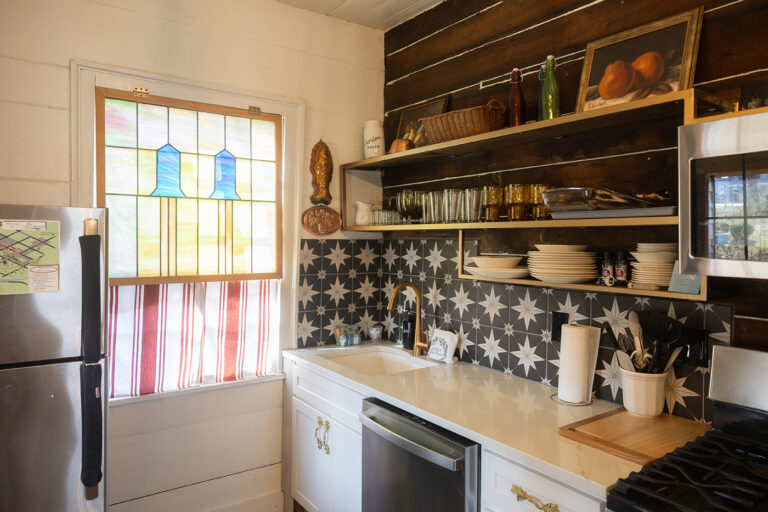
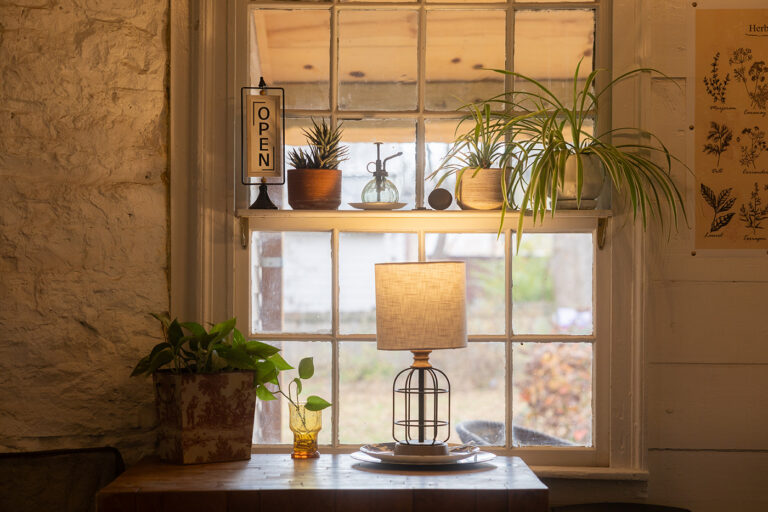
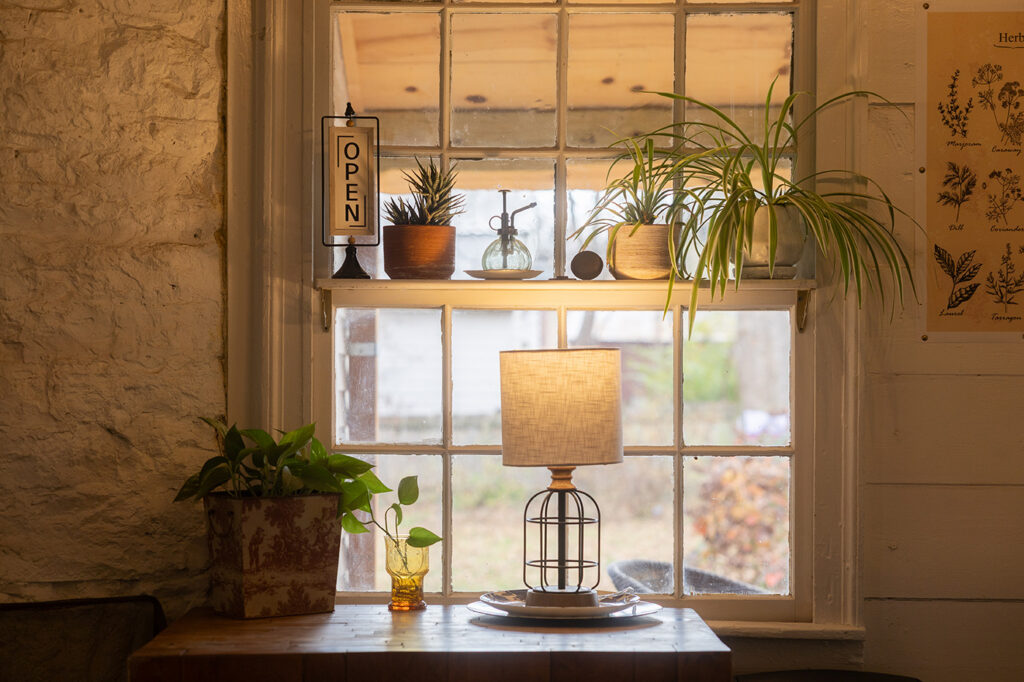
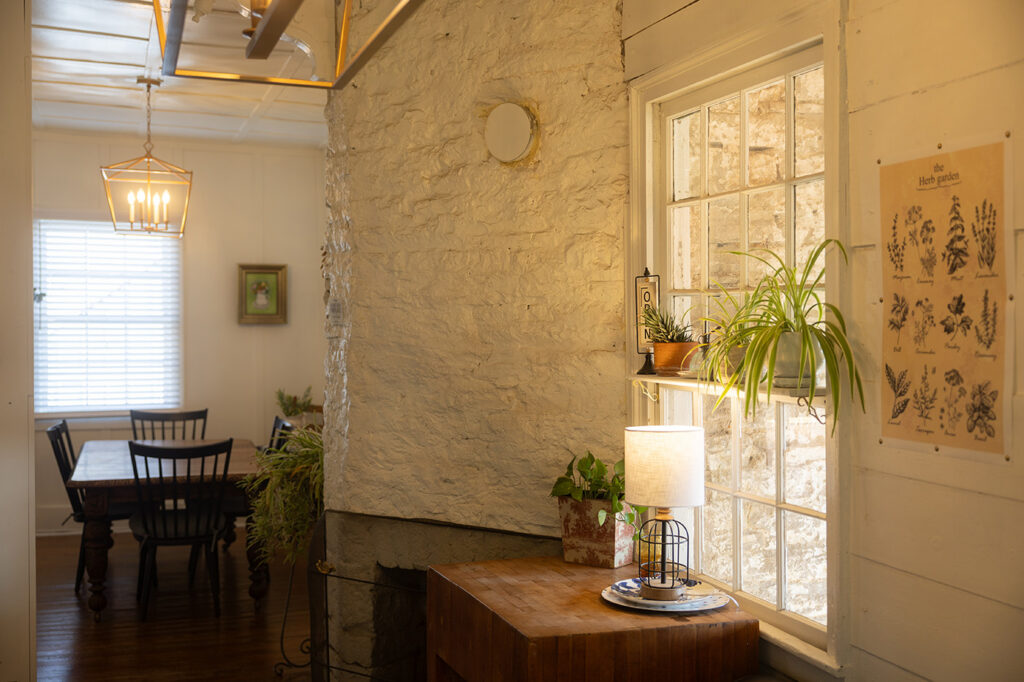
Original River Glass Windows: The wavy, imperfect glass that characterizes pre-industrial window panes remains in place. These windows aren’t soundproof—they reflect authentic 18th-century construction when glass came in small panes held by muntins, and perfection wasn’t possible. Jayne provides white noise machines and fans to help guests sleep despite being on a busy street.
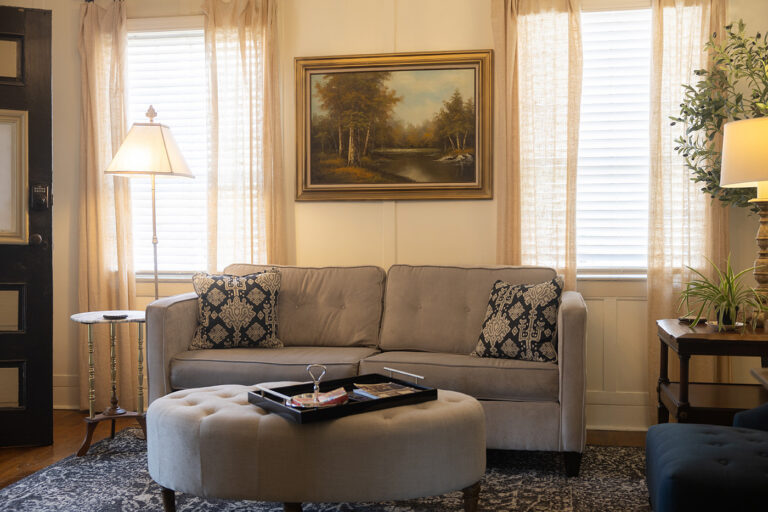
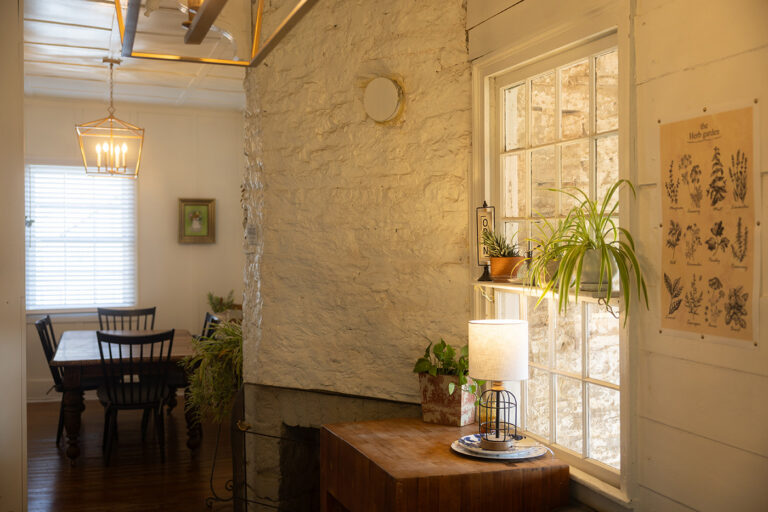
Cast Iron Fireplace Mantle: The original mantle stays, though the fireplace itself is non-working due to historical preservation requirements and safety limitations. It serves as visual reminder of how homes were heated in 1787.
Architectural Character: The building’s footprint, ceiling heights, doorways, and general layout preserve the historic structure. Unlike modern open-plan homes, this cottage retains defined rooms reflecting 18th-century domestic space.
What She Added:
Modern HVAC: Central air conditioning and heating ensure comfort year-round.
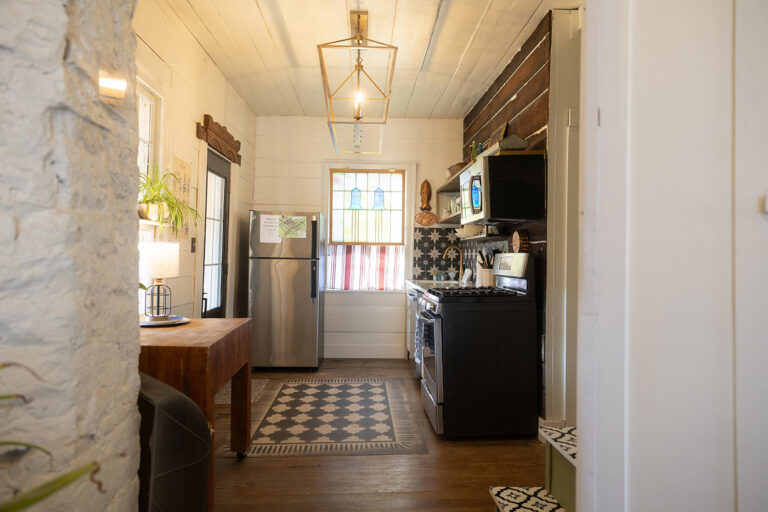
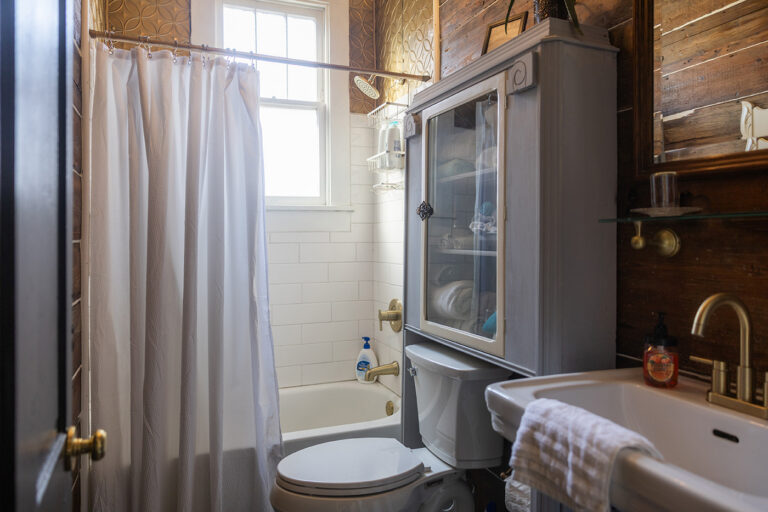
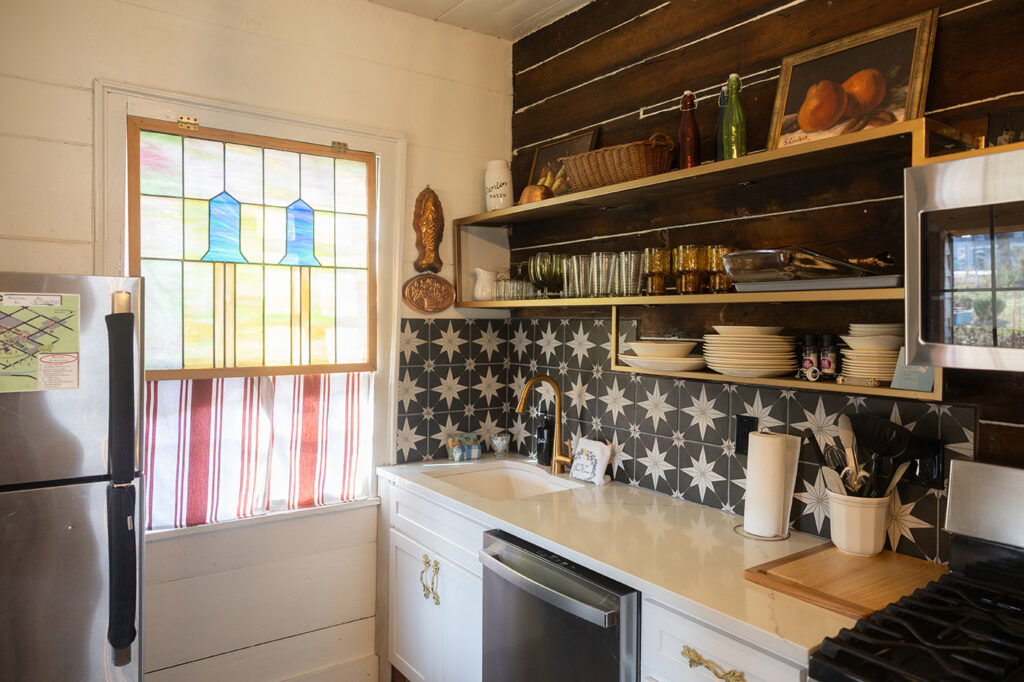
Updated Kitchen and Bathroom: Full-size appliances, modern plumbing, spacious bathroom with contemporary fixtures.
Smart TV with Roku: Entertainment options for downtime.
Dedicated Workspace with WiFi: High-speed internet (AT&T 18 mbps) enables remote work or staying connected during vacation.
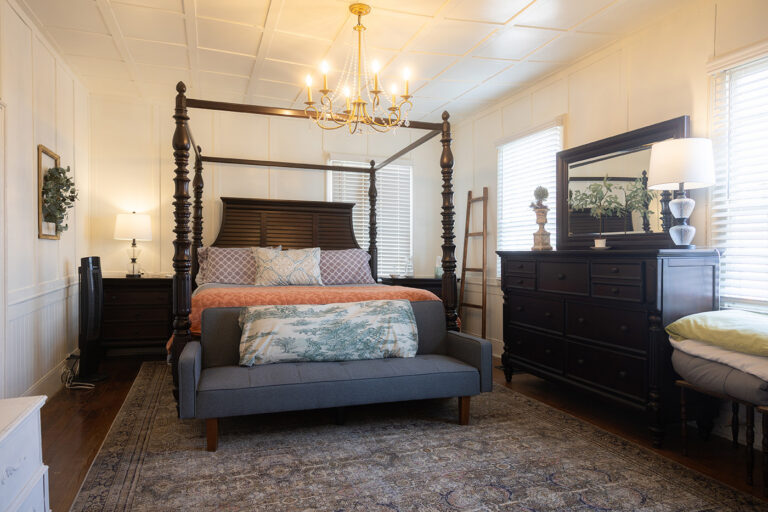
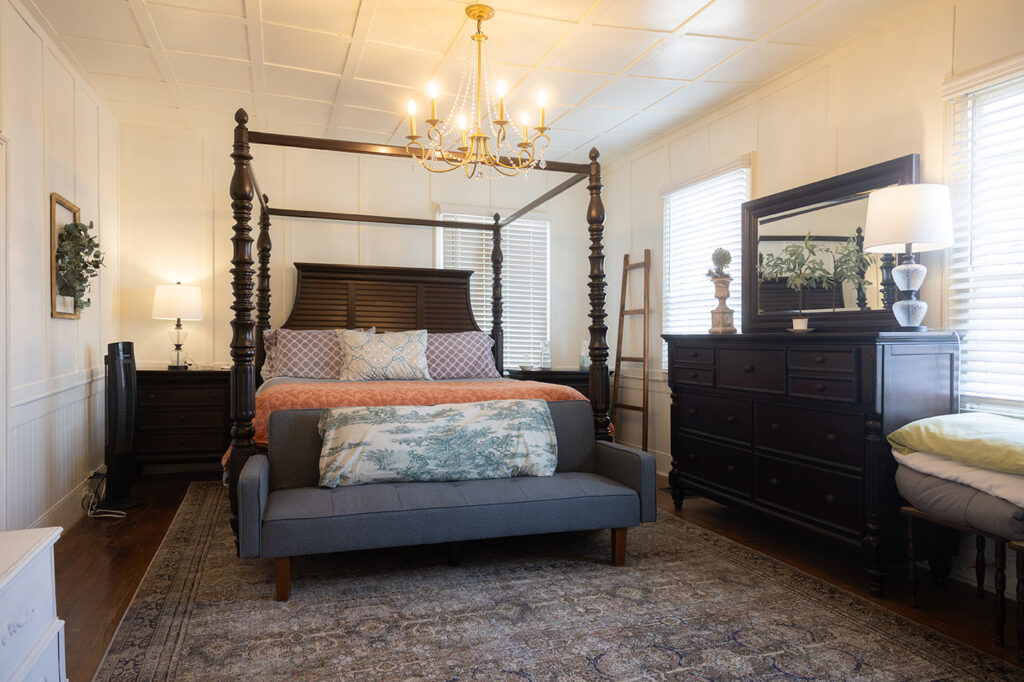
Comfortable Furniture: King bed in the bedroom suite, queen sleeper sofa in living room (sleeps 4 total).
Keypad Entry: Self check-in eliminates coordination hassles—guests receive code at 3 PM on arrival day.
Back Deck and Private Yard: Outdoor space not visible from street—private retreat for morning coffee or evening wine.
The renovation philosophy mirrors best practices in historic preservation: keep what matters historically, upgrade what matters functionally. Guests get authentic architectural experience without sacrificing modern expectations of comfort, cleanliness, and convenience.
The Accommodations: Small House, Smart Layout
Rivertown Retreat accommodates four guests comfortably:
Bedroom Suite: King bed, spacious layout, connected to bathroom. This is the primary sleeping area—quiet, comfortable, private. The room features period-appropriate proportions while offering modern mattress, linens, and bedding.
Living Room: Queen sleeper sofa accommodates two additional guests. Open-concept connection to bedroom (reflecting historic home layouts where rooms flowed into each other). The living room includes smart TV, the non-working cast iron fireplace mantle as focal point, and windows with original river glass looking onto Merchant Street.
Bathroom: Full bathroom attached to bedroom. Modern fixtures, spacious layout. Provides necessary contemporary amenities while fitting within historic structure.
Kitchen: The listing includes full kitchen, though specific details aren’t extensively described. This is functional space for preparing meals if guests prefer dining in—particularly useful for longer stays or travelers with dietary restrictions.
Outdoor Spaces: Back deck and yard provide private outdoor areas. This matters in dense historic districts where buildings sit close together—having your own outdoor space makes the difference between feeling cramped and feeling at home.
The cottage is one bedroom, three beds (king + queen sleeper), one bath. This configuration works well for couples, small families, or two couples willing to share bathroom. Maximum capacity: 4 guests.
The Location: Everything Within Walking Distance
Rivertown Retreat’s Merchant Street location is the property’s greatest asset. From the front door, guests can walk to:
Immediate Neighbors (Same Block):
Common Grounds Coffee (mornings, right across the street) Pat’s Bakery (pastries and breakfast items, right across the street) Sirros Restaurant (261 Merchant Street, famous onion rings and “samiches”) Brix Urban Winery outdoor garden area (199 Merchant Street, evening wine)
One-Block Radius:
Anvil Restaurant & Saloon (66 South Third Street, upscale dining) Felix Vallé House State Historic Site (198 Merchant Street, 1818 Federal-style home with historic store) Various shops, galleries, and specialty stores along Market and Third Streets
Three-Block Radius (5-10 minute walk):
Centre for French Colonial Life (198 Market Street—Louis Bolduc House National Historic Landmark, Beauvais-Linden Living History House, François Valle II House) Ste. Genevieve National Historical Park Welcome Center (51 South Main Street) Guibourd-Vallé House (vertical log architecture, 1806) Main Street Inn Bed and Breakfast Numerous restaurants, wine bars, shops, galleries Valle Catholic Church
Everything tourists come to Ste. Genevieve to see—French Colonial houses, historic churches, downtown shopping, restaurants, museums—sits within comfortable walking distance. Guests don’t need cars for sightseeing; they can park upon arrival and explore entirely on foot, exactly as residents did in 1787.
The street itself is “tourist-safe walking street with historic lampposts”—well-lit, well-traveled, patrolled. Numerous festivals and events happen on Merchant Street throughout the year, bringing crowds and activity that enhance safety and entertainment.
The Guest Experience: 5.0 Stars, Guest Favorite Status
Rivertown Retreat holds “Guest Favorite” designation on Airbnb—awarded to properties with consistently exceptional reviews, ratings, and reliability. The property scores perfect 5.0 overall from 9 reviews, with specific ratings:
- Cleanliness: 5.0 – Property is spotlessly maintained
- Accuracy: 5.0 – Listing description matches reality exactly
- Check-in: 5.0 – Keypad entry works seamlessly, communication about codes is clear
- Communication: 5.0 – Jayne responds quickly (100% response rate, responds within an hour typically)
- Location: 5.0 – Downtown historic location praised universally
- Value: 4.9 – Slightly lower rating (though still excellent) suggests pricing is fair but perhaps at premium for location and historic significance
Guest comments emphasize:
“The property was clean and a great view of the pond on site. The owner, Julie, was very welcoming and friendly. We would stay here again for sure. We only stayed one night, but we wished we had stayed two nights. We would loved to come back. I highly recommend this place. Great place to stay for a weekend getaway.”
The “calm and convenient location” designation means the area is “easy to get around”—walkable, navigable, not confusing or stressful. This matters in historic districts where streets can be narrow and confusing.
The dedicated workspace designation appeals to digital nomads, remote workers, or business travelers attending events in Ste. Genevieve who need reliable wifi and proper desk setup.
Your Host: Jayne, Superhost with 7 Years Experience
Jayne brings significant hospitality experience to Rivertown Retreat:
- Superhost Status: Airbnb’s designation for “experienced, highly rated hosts who are committed to providing great stays for guests.” Requirements include 4.8+ overall rating, 90%+ response rate, less than 1% cancellation rate, 10+ stays completed. Jayne exceeds all these standards.
- 371 Total Reviews Across Properties: This isn’t first-time landlord—this is experienced hospitality professional managing multiple properties with consistently high satisfaction.
- 4.97 Overall Rating: Near-perfect performance across hundreds of guest interactions.
- 7 Years Hosting: Since 2018/2019, long before COVID-era surge in short-term rentals. Jayne was early adopter, learning systems and refining operations over substantial time period.
- 100% Response Rate, Responds Within an Hour: Communication reliability—guests get quick answers to questions, problems get addressed immediately.
Jayne’s profile reveals personal interests: “Love nature, Hiking on trails, Gardening, and new adventures. Renovating homes to their full potential. I’m a foodie. Love to cook, bake.” Her invitation: “Come stay at our cottage and make some memories visiting Historical Ste. Genevieve.”
This background explains the renovation approach—someone who genuinely appreciates historic architecture, understands hospitality, and brings foodie sensibility to location selection (hence the emphasis on walkable restaurants and bakeries).
Suggested Historic Walking Itinerary from Rivertown Retreat
Morning (8:00 AM – 12:00 PM):
8:00 AM: Walk across street to Common Grounds Coffee for coffee and pastry. Sit on Rivertown Retreat’s front porch or walk to nearby bench to plan your day.
9:00 AM: Walk one block to Ste. Genevieve National Historical Park Welcome Center (51 South Main Street). Watch orientation film, examine exhibits about French Colonial life, pick up maps and tour schedules. Talk with rangers about which historic houses are open today.
10:00 AM: Walk to Centre for French Colonial Life (198 Market Street, opens 10 AM). Purchase combination ticket for multiple houses. Begin with Louis Bolduc House National Historic Landmark—outstanding example of French Colonial vertical log construction with Norman truss architecture visible in attic. Tour guides explain poteaux-sur-sole building method, French Creole lifestyle, and how families lived in 1700s. Tour Beauvais-Linden Living History House where interpreters in period clothing demonstrate 18th-century cooking, gardening, and domestic activities. Tour François Valle II House. Spend 2-3 hours exploring campus.
11:30 AM: Browse Centre for French Colonial Life Gift Shop—books about French Colonial history, regional studies, children’s educational games, FCA-branded merchandise. All proceeds fund preservation and education.
Lunch (12:00 PM – 1:30 PM):
Walk back to Merchant Street. Choose between:
- Sirros (261 Merchant Street, right on your street): Famous homemade made-to-order onion rings, “samiches,” ribley soup (traditional German soup, winter season). Casual family atmosphere, 90-seat capacity, gluten-free options available.
- Anvil Restaurant & Saloon (66 South Third Street, one block away): Upscale American cuisine, craft cocktails, historic building atmosphere.
- Quick Option: Pat’s Bakery across from Rivertown Retreat for sandwiches and baked goods, then eat in your cottage or on back deck.
Afternoon (1:30 PM – 5:00 PM):
1:30 PM: Walk to Felix Vallé House State Historic Site (198 Merchant Street). Tour this 1818 Federal-style home where Vallé operated general store in one half while living in the other—similar mixed-use residential/commercial arrangement to the Dufour House. See how American architectural influences changed Ste. Genevieve after statehood in 1821. The adjacent Dr. Benjamin Shaw House (built from structure originally acquired from Parfait Dufour in 1818) shows commercial evolution—silhouettes of original store counters and shelves still appear on painted wallboards.
2:30 PM: Walk to Guibourd-Vallé House for tour (if open—check schedule). This outstanding 1806 example of poteaux-sur-sole vertical log architecture belonged to Jacques Guibourd, French immigrant who escaped Haitian Revolution. Family legend says his enslaved person Moros smuggled Guibourd out of San Domingue (Haiti) in barrel during slave rebellion, they returned to France during French Revolution chaos, then came to Ste. Genevieve in late 1790s seeking French-speaking community. House displays elegant French antiques collected by later owner Anne Marie Valle, world traveler. This is rare chance to view Norman truss architecture up close in attic.
3:30 PM: Walk Main Street browsing shops:
- Only Child Originals (176 N. Main): Upscale women’s fashion, handcrafted jewelry, gifts—housed in 1874 building where Oberle Meats originally operated (famous German bologna business)
- Belle Ever After Boutique (1 S. Main): Mother-daughter fashion boutique, sizes Small-3XL, confidence-building mission
- European Entitlements (102 S. Main): Exclusively European home décor and garden items from century-old companies
- Two Rivers Gallery (73 N. Main): Contemporary art gallery in restored 1848 German bakery, featuring Missouri artist Bryan Haynes’ paintings of French colonists and Osage warriors
4:30 PM: Visit Valle Catholic Church (cornerstone of Ste. Genevieve since 1755, current Gothic Revival building dedicated 1880). Walk through cemetery reading French family names. The church steeple visible from Rivertown Retreat’s front porch anchors the community just as it did when Lewis and Clark passed through.
Evening (5:00 PM – 9:00 PM):
5:30 PM: Return to Rivertown Retreat. Rest on back deck or front porch swing. Perhaps walk to nearby wine shop to purchase local Ste. Genevieve wine for evening.
7:00 PM: Dinner options within walking distance:
- Brix Urban Winery (199 Merchant Street, practically next door): Wine flights and light bites in outdoor garden area
- Anvil Restaurant & Saloon (returning for dinner service with craft cocktails)
- Sirros (if you skipped it at lunch—dinner specials include Saturday night pasta)
- El Potosino/Huasteca Potosina Mexican (634 Ste. Genevieve Drive, 10-minute walk): Authentic regional Mexican with fresh daily tortillas
8:30 PM: Evening stroll through downtown historic district. Merchant Street’s historic lampposts create atmospheric lighting. Walk to Mississippi River overlook (5-10 minutes from cottage) to see where Lewis and Clark expedition boats would have landed. In summer months, outdoor music or events may be happening on Market or Merchant streets.
9:00 PM: Return to Rivertown Retreat. Sleep in the same building where explorers may have rested 220+ years ago.
Optional Next Day:
Ste. Genevieve-Modoc Ferry Adventure: Drive 2 miles north on Main Street to “The French Connection”—historic ferry crossing Mississippi River to Randolph County, Illinois. This free ferry (operates seasonally) takes vehicles and passengers across, just as ferry services did in French Colonial era. On Illinois side, visit Fort de Chartres State Historic Site—18th-century French military fort that governed Illinois Country and Ste. Genevieve area. See reconstructed fort walls, powder magazine, museum exhibits. Return via ferry for full circle Mississippi River experience.
Hawn State Park Hiking: Drive to western Ste. Genevieve County (approximately 30 minutes) for 4,956 acres of pine and oak woodlands, sandy-bottom streams, and sandstone cliffs. Hawn offers some of Missouri’s most scenic landscapes—short tranquil walks or challenging 10-mile backpacking route. Diverse geology, abundant birdlife, quiet overlooks. Perfect for outdoor enthusiasts wanting balance between history and nature.
Wine Country Route du Vin: Ste. Genevieve County is Missouri wine country. Drive scenic routes visiting:
- Chaumette Vineyards & Winery: Spectacular views, multiple wine varieties, restaurant
- Charleville Vineyard & Microbrewery: Wine and craft beer in restored 1850s barn
- Crown Valley Winery & Distillery: Wine, bourbon, restaurant, events
- Weingarten Vineyard Winery & Wedding Venue: 20,000 sq ft facility, 40+ wines, Italian wood-fired pizza
More Historic Sites: If you still have appetite for history:
- Bolduc-LeMeilleur House: Another vertical log structure on FCA campus
- Various private French Colonial houses: Many 1790-1820 vertical log structures survive as private residences—walk residential streets to admire exteriors
- Ste. Genevieve Museum: Local history exhibits, artifacts, genealogical resources
Practical Information
Name: Rivertown Retreat (Dufour House)
Location: Merchant Street, Ste. Genevieve, MO 63670 (exact address provided upon booking)
Booking: VRBO or AirBnB
- Search “Rivertown Retreat Lewis & Clark Ste Genevieve”
- Or contact Ste. Genevieve tourism office for booking assistance
Sleep Where Explorers Slept
At Merchant Street in downtown Ste. Genevieve—where Parfait Dufour built his merchant’s house in 1787, where William Clark and Lewis and Clark Expedition may have lodged December 4, 1803, where original river glass windows look onto historic lampposts lighting the same street that bustled with French Colonial commerce, where Superhost Jayne preserved 18th-century architectural character while adding modern comfort, where 5.0-star ratings and Guest Favorite status reflect exceptional hospitality, where guests walk across the street to Common Grounds Coffee, walk one block to French Colonial house tours, walk three blocks to Mississippi River overlook, where you sleep in king bed in structure standing 237+ years, where back deck provides private outdoor space in dense historic district, where self check-in keypad eliminates hassle, where the Dufour family’s merchant legacy lives on in preserved building.
Book through Airbnb. Four guests maximum. Check-in 4:00 PM. The cottage where history happened.
The night Lewis and Clark passed through, still standing.



Sorry, no records were found. Please adjust your search criteria and try again.
Sorry, unable to load the Maps API.