



Silver Sycamore Gallery of Fine Art – Connecting the 1930s Art Colony Legacy to Today’s Rising Stars Through Storytelling, Curation, and the Kind of Personal Service That Makes Buying Art an Experience Worth the Journey
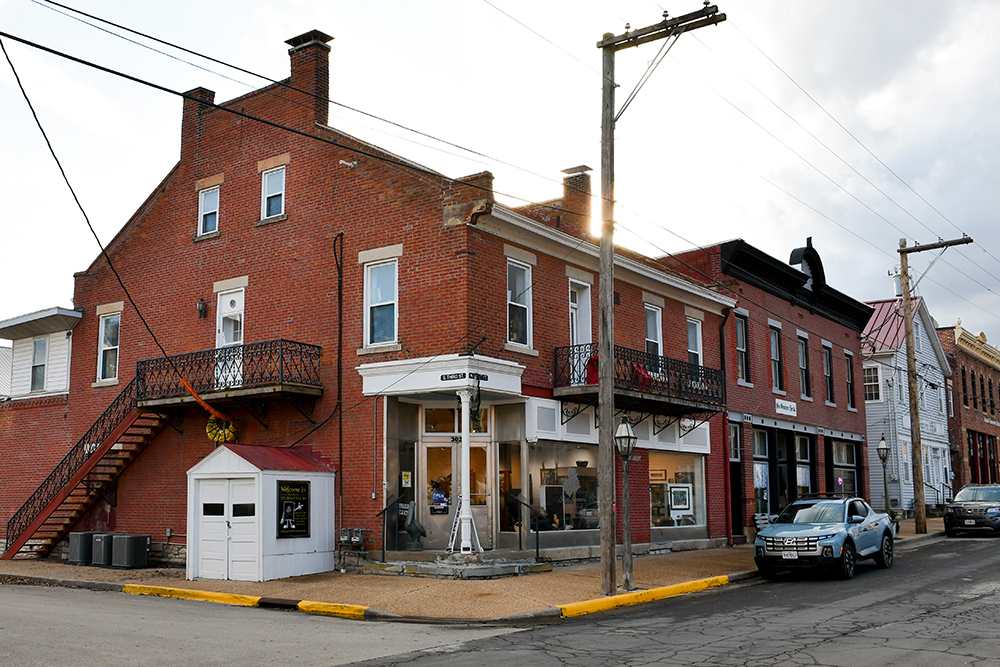
Most art galleries sell paintings. Silver Sycamore Gallery of Fine Art sells stories—stories that happen to come with extraordinary artwork attached. When you walk through the door at 302 Market Street, the paintings genuinely take your breath away, but what transforms browsing into buying, what makes people travel from St. Louis or Cape Girardeau and carefully transport large-scale pieces home instead of purchasing something similar locally, is the narrative that connects each work to Sainte Geneviève’s remarkable artistic heritage. This is the only gallery where you can purchase work by Ali Cavanaugh—the internationally recognized watercolorist whose portraits have graced Time Magazine covers and who chose to make Sainte Geneviève her home—in her actual hometown, displayed alongside the 1930s Art Colony works (Thomas Hart Benton, Joe Jones, Jessie Beard Rickly, Aimee Schweig) that established this small Missouri river town as “the Mecca of Midwestern art.” This is where M. Charles Rhinehart’s paintings connect that Depression-era Regionalist tradition directly to contemporary practice through his training with Colony members, creating a clear artistic lineage that adds historical weight and investment value to the modern work Silver Sycamore represents. This is where Andrew Naeger’s painstakingly detailed pen-and-ink bird drawings echo John James Audubon’s aesthetic—and Audubon actually lived in Sainte Geneviève, making Naeger’s work the modern continuation of an obsession with American ornithology that has 200-year roots in this specific place.
Owner and artist Leon Basler doesn’t just curate a gallery—he discovers talent outside traditional channels (like Mike Uding, whose utilitarian woodwork is too beautiful not to be considered high art), he provides the only professional custom framing service between St. Louis and Cape Girardeau, and he operates with the conviction that buying art should involve conversation, education, and personal connection rather than transactional browsing. Sainte Geneviève has long been a haven for artists precisely because there hasn’t been a time when it wasn’t a portal to a different world or a different time—the pace of life here is simply different, more contemplative, more suited for the kind of sustained creative work that produces museum-quality art. That’s why the town served as an incubation chamber for a significant part of the Midwest’s Regionalist movement in the 1930s. That artistic tradition didn’t die—it evolved, and Silver Sycamore is where you encounter its current manifestation through independent artists blazing their own trails while honoring the legacy of those who established Sainte Geneviève as a place where serious art happens.
Why Sainte Geneviève Attracts Artists: The Portal Effect
Understanding Silver Sycamore requires understanding why Sainte Geneviève has continuously attracted significant artists for over 200 years—from John James Audubon in the early 1800s through the transformative Art Colony of the 1930s to contemporary masters like Ali Cavanaugh today.
The consistent factor isn’t economic opportunity (art sells better in larger cities) or institutional support (there’s no art school here, no major museum). It’s something less tangible but more powerful: Sainte Geneviève functions as a portal. The French colonial architecture, the National Historic Landmark District where buildings from the 1780s-1840s remain occupied and functional, the visible layers of history coexisting rather than replacing each other—all create the sensation of existing slightly outside normal time. When you walk downtown Sainte Geneviève streets, you’re not looking at preserved museum pieces behind ropes. You’re walking past houses where people actually live in 240-year-old vertical-log structures, where the 1818 Felix Vallé House operates as working historic site, where Memorial Cemetery holds 5,000 graves dating to 1787, and where French colonial traditions like La Guiannée and the King’s Ball persist as living practices rather than historical reenactments.
For artists, this temporal displacement creates ideal working conditions. The pace of life is different—slower, more deliberate, less driven by the relentless productivity demands and constant digital distraction that characterize contemporary urban existence. Artists need time to observe, to think, to experiment without external pressure to constantly produce and market. Sainte Geneviève provides that time. The cost of living remains reasonable, allowing artists to actually afford studio space and living expenses while developing their practice. The community values craftsmanship and beauty in ways that larger cities have largely abandoned—people here notice quality, appreciate detail, and understand that creating meaningful work requires patience and skill.
This combination—temporal displacement, slower pace, affordable space, community appreciation for craft—is why Sainte Geneviève served as an incubation chamber for the Midwest’s Regionalist movement. In 1932, when Bernard Peters, Jessie Beard Rickly, and Aimee Schweig established the Art Colony, they were explicitly rejecting both European modernist abstraction and New York’s dominance as America’s art center. They wanted to create art rooted in American places, American people, and American experiences—particularly the rural and small-town realities that defined the nation’s character beyond coastal urban centers. Sainte Geneviève, with its French colonial heritage and Depression-era struggles, provided exactly the setting they needed. Thomas Hart Benton, Joe Jones, and other Colony members produced work here that defined American Regionalism and Social Realism, capturing tenant farmers’ encampments, lime kiln workers, sharecroppers, and the human condition in ways that museums still exhibit and scholars still study.
That tradition continues. When Ali Cavanaugh chose to relocate to Sainte Geneviève (she could afford to live anywhere after achieving international recognition), she was making the same choice Rickly and Schweig made in 1932: trading urban conveniences for the creative space and temporal displacement that produces her best work. The portal still functions. Artists still recognize it. And Silver Sycamore exists at the intersection where Sainte Geneviève’s artistic heritage meets its contemporary creative community.
The Upstairs Exhibition: Art Colony Legacy and the Rhinehart Connection
Silver Sycamore’s upstairs permanent exhibition answers a crucial question: How does contemporary work at this gallery connect to Sainte Geneviève’s nationally significant art history?
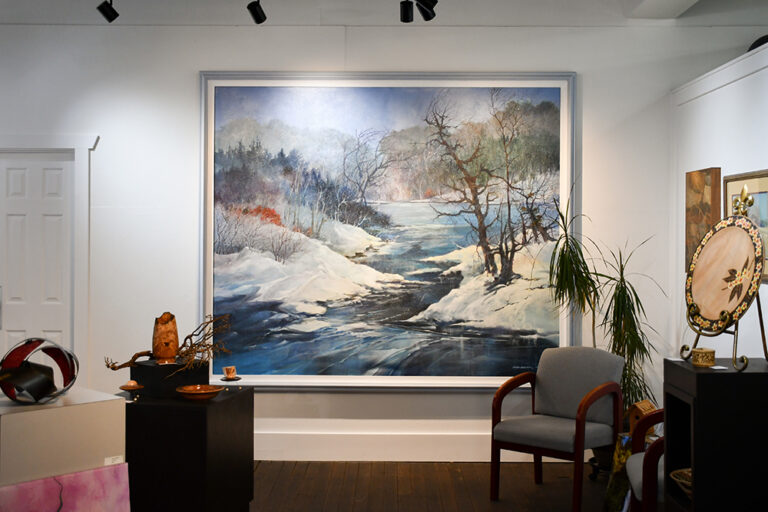
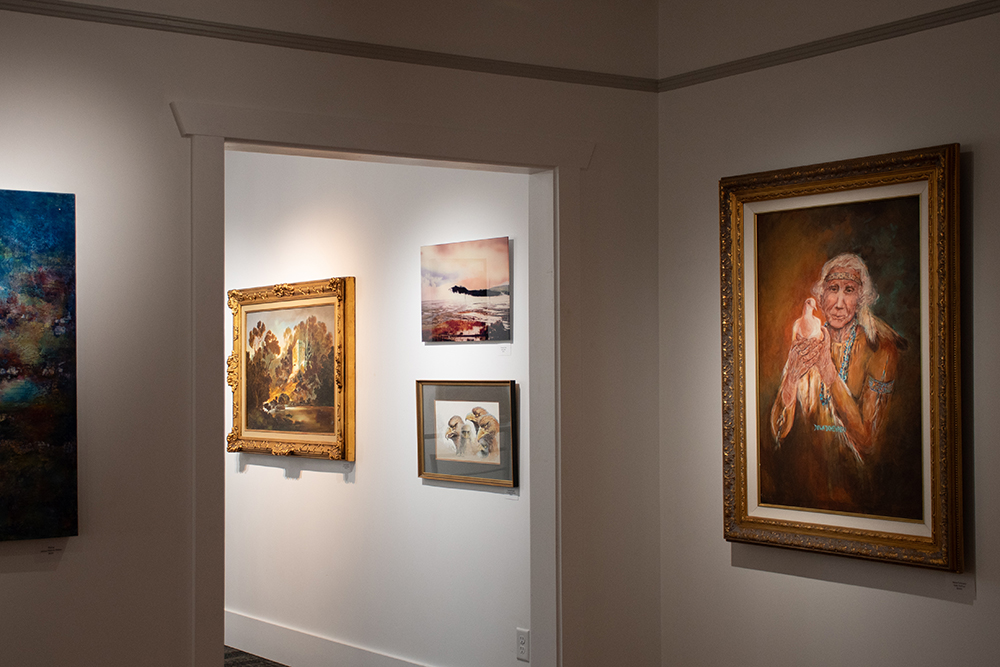
The exhibition features works from the 1930s Art Colony alongside M. Charles Rhinehart’s paintings, creating visual demonstration of artistic lineage. You’re seeing actual paintings by Thomas Hart Benton, Joe Jones, Jessie Beard Rickly, and Aimee Schweig—the artists who made “the Mecca of Midwestern art” more than local boosterism. These aren’t reproductions or historical documents. These are the real paintings that emerged from the Shaw House headquarters, from the Summer School of Art sessions, from the plein air work capturing Sainte Geneviève’s “picturesque architecture and landscapes” in ways that documented a disappearing world during America’s industrialization.
Displayed alongside the Colony works are M. Charles Rhinehart’s paintings. Rhinehart was Sainte Geneviève’s native son, the last surviving member with direct training connection to the Colony artists. He studied under Matthew Ziegler, the local artist who provided hospitality to the original Colony members and who remained in the Shaw House as Sainte Geneviève’s resident artist after the Colony dissolved in the late 1930s. Through Ziegler’s instruction, Rhinehart inherited techniques, philosophies, and aesthetic approaches directly from the Regionalist movement’s practitioners. His work demonstrates how that tradition evolved rather than simply being preserved—Rhinehart wasn’t imitating 1930s styles but developing them, adapting Regionalist principles to mid-20th and early 21st-century subjects while maintaining the movement’s core commitment to depicting American life with honesty and skill.
The juxtaposition matters enormously for understanding Silver Sycamore’s contemporary roster. When Leon Basler represents artists like Ali Cavanaugh, Andrew Naeger, Brenda Gilliam, or Mike Uding, he’s not randomly assembling available regional work. He’s curating within a tradition—the tradition that says Midwestern and small-town American art deserves serious attention, that regional artists can produce work rivaling anything from New York or Los Angeles, and that place-based artistic communities create distinctive aesthetic approaches that national art markets should recognize and value.
The upstairs exhibition provides this context. It demonstrates that buying art from Silver Sycamore isn’t just purchasing a nice painting—it’s acquiring work that exists within a documented artistic lineage connecting 1930s American Regionalism to contemporary practice through direct teacher-student relationships and shared aesthetic commitments. This historical grounding adds both cultural significance and investment value. Rhinehart’s work commands serious prices because knowledgeable collectors understand his place in American art history. The contemporary artists Basler represents benefit from association with that legacy, and buyers benefit from entering the market while these artists’ reputations continue building.
For visitors, the upstairs exhibition transforms gallery browsing into historical education. You’re learning about the Art Colony, understanding how artistic movements actually function through personal relationships and shared geography, and seeing how Sainte Geneviève’s “portal effect” has attracted and nurtured significant artists across nearly a century. Then you go downstairs and discover that this history isn’t dead—it’s alive in the contemporary work that continues the tradition.
Ali Cavanaugh: Time Magazine Cover Artist Who Chose Sainte Geneviève as Home
When collectors learn that they can purchase Ali Cavanaugh’s work in her actual hometown—that she lives in Sainte Geneviève by choice, not necessity—it fundamentally changes the buying conversation.
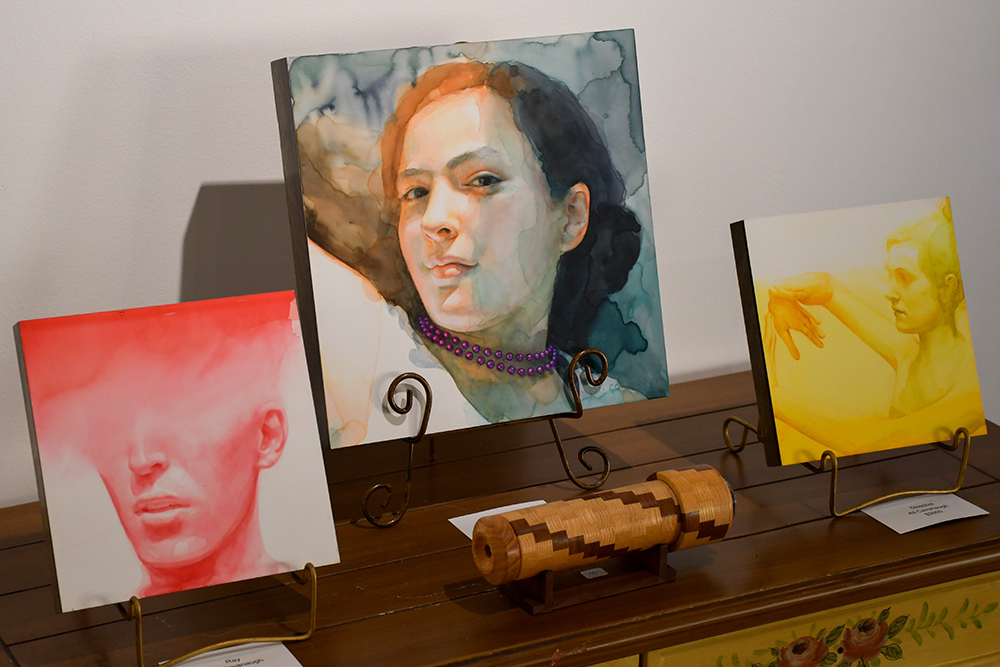
Ali Cavanaugh is an internationally recognized watercolorist whose work appears in more than 400 private and corporate collections throughout North America, Europe, Asia, and Australia. Her portraits have graced the cover of Time Magazine. She’s painted cultural icons including Taylor Swift. The Huffington Post, Fine Art Connoisseur, American Art Collector, and The New York Times Magazine have featured her paintings. She developed a unique “modern fresco” technique using watercolor on kaolin clay panels that creates luminous, almost ethereal portraits capturing psychological depth and emotional vulnerability. And crucially, Golden Artist Colors—one of the world’s premier art supply manufacturers—partnered with her to create the Ali Cavanaugh Portrait Colors Set, a curated palette of six watercolors (including two colors, Perylene Crimson and Ultramarine Turquoise, developed specifically for this set) that allows other artists to work with the exact pigments Cavanaugh uses.
This level of recognition typically correlates with artists living in major art markets—New York, Los Angeles, Santa Fe, Austin. Artists at Cavanaugh’s career level can afford to live anywhere, and most choose cities with robust gallery scenes, wealthy collector bases, and institutional support through museums and art schools. Ali Cavanaugh chose Sainte Geneviève. She relocated here deliberately, raising her four children in this small Missouri river town while maintaining her international exhibition schedule and collector relationships.
Why does this matter for buyers at Silver Sycamore? Because purchasing Cavanaugh’s work in Sainte Geneviève means buying in her hometown—the place she chose as creatively essential to her practice. There’s romantic appeal, certainly, but also practical advantage: Silver Sycamore has direct relationship with Cavanaugh (she lives here, she exhibits here, she participates in Fourth Friday Art Walks), meaning the gallery can provide provenance documentation, artist background, and potentially facilitate personal interactions that galleries in distant cities cannot match.
The hometown angle also creates compelling narrative for collectors to share. When someone asks about the large-scale Cavanaugh portrait in your living room, you don’t just say “I bought it at a gallery.” You say “I bought it in Sainte Geneviève, Missouri, where the artist chose to live because the town’s history and pace of life support her creative process—the same town that hosted the 1930s Art Colony and attracted John James Audubon 200 years ago.” That story adds value. It connects the artwork to place, to history, to the larger narrative about why certain locations nurture artistic genius across generations.
Silver Sycamore should lean heavily into this advantage. Where are the framed copies of Cavanaugh’s Time Magazine cover? Where’s the exhibition context explaining her modern fresco technique, her relationship to Sainte Geneviève, and why buying her work here matters differently than purchasing it in a St. Louis or Kansas City gallery? The hometown connection is enormously valuable marketing asset that currently feels underutilized. Making this explicit—through wall text, through conversation, through promotional materials—transforms Cavanaugh’s presence in the gallery from “we represent this artist” to “you’re buying museum-quality work from an internationally recognized artist in the specific place she chose as essential to her creative life.”
Andrew Naeger: Audubon’s Aesthetic in Three-Dimensional Pen and Ink
Andrew Naeger’s lifelike pen drawings of birds create immediate visual impact—you see them across the gallery and have to walk closer to understand how he achieves the painstakingly rendered detail of every individual feather creating almost three-dimensional quality. But the real story, the narrative that transforms these from beautiful bird illustrations into culturally significant artwork, is the connection to John James Audubon.
Audubon lived in Sainte Geneviève. The man who created The Birds of America—arguably the most famous ornithological artwork in history, with original double elephant folio editions selling for millions of dollars at auction—spent time in this specific Missouri river town in the early 1800s. Audubon’s obsession with capturing American birds in accurate, lifelike detail, his commitment to depicting natural postures and behaviors rather than stiff museum-specimen poses, his combination of scientific observation with artistic beauty—all these characteristics that made his work revolutionary appear in Naeger’s contemporary bird drawings 200+ years later.
This isn’t coincidence. This is place exerting influence on artistic vision. Sainte Geneviève sits along the Mississippi River flyway, a major bird migration route. The region’s diverse ecosystems—river bottomlands, limestone bluffs, forested uplands, agricultural fields—support extraordinary bird diversity. Artists working here encounter the same avian abundance that captivated Audubon, and serious observation of that abundance can lead to similar aesthetic approaches emphasizing accurate detail, natural posture, and the kind of patient rendering that requires hours of concentrated work per individual feather.
Naeger’s drawings echo Audubon’s in their meticulous attention to ornithological accuracy combined with artistic composition that makes each bird visually compelling rather than simply scientifically correct. The three-dimensional quality Naeger achieves through pen and ink (no color, just precise linework creating the illusion of depth and texture) actually surpasses what Audubon could accomplish with watercolor and engraving. The level of detail visible in Naeger’s feather rendering demonstrates both extraordinary technical skill and the kind of sustained observation that only comes from genuine fascination with the subject.
For Silver Sycamore, the Naeger-Audubon connection provides powerful sales narrative. These aren’t just pretty bird pictures. These are contemporary interpretations of an aesthetic approach pioneered by America’s most famous ornithological artist, created in the same geographic location that inspired Audubon’s original work. That historical and geographic specificity adds cultural weight and collector value. Framed Naeger prints in The Audubon’s Hotel & Restaurant would be perfect placement—the hotel already trades on the Audubon connection; displaying contemporary work that continues his aesthetic while supporting local artists creates authentic synergy rather than generic decoration.
The broader lesson: When Silver Sycamore can connect contemporary artists to Sainte Geneviève’s documented artistic heritage (whether that’s Audubon’s ornithology, the 1930s Art Colony’s Regionalism, or the French colonial craftsmanship traditions), it transforms the work from “nice regional art” to “culturally significant work with historical roots and investment potential.” This is the storytelling that justifies driving from St. Louis to buy art here rather than purchasing something similar locally.
Leon Basler: Artist-Owner with Proficiency Across Every Medium
Gallery owners typically fall into two categories: business people who appreciate art but don’t create it, or artists who reluctantly manage commercial operations to support their practice. Leon Basler represents a rarer third category: an accomplished artist whose broad technical proficiency and genuine passion for multiple media inform his curatorial vision and make him credible when discussing other artists’ work.
Basler’s own artwork spans every major medium—oil painting, watercolor, acrylics, mixed media—and encompasses styles ranging from plein air landscapes to abstract compositions. This versatility isn’t dilettantism; it’s deep engagement with how different materials and approaches solve different artistic problems. Plein air oil painting outdoors demands completely different skills than studio watercolor or abstract mixed media. Mastering all three requires years of sustained practice and willingness to remain perpetually a student even as you develop expertise.
For Silver Sycamore, Basler’s artistic proficiency serves multiple functions:
Credibility with Artists: When Basler invites artists to exhibit at Silver Sycamore, they’re talking to someone who understands the technical challenges, the creative struggles, the economic realities of art-making. He’s not a businessman evaluating products—he’s a fellow artist recognizing quality and potential. This peer-to-peer relationship often allows Silver Sycamore to attract and retain artists who might otherwise exhibit only in larger urban markets.
Education for Buyers: When customers ask questions about technique, materials, or artistic process, Basler can provide knowledgeable answers from direct experience. “How did she achieve that luminous quality?” isn’t answered with sales patter but with actual technical explanation about watercolor layering, about how kaolin clay substrates affect paint absorption, about why certain pigments create specific visual effects. This educational approach builds trust and helps buyers understand that they’re purchasing work whose quality justifies the investment.
Curation Beyond Commercial Appeal: Because Basler creates art himself, his curatorial decisions prioritize artistic merit alongside commercial viability. He represents artists like Mike Uding—whose woodwork is “strictly utilitarian” but possesses such beauty that it transcends function to become art—because Basler recognizes quality even when it appears in unexpected forms. This willingness to discover talent outside traditional channels (art school graduates, established gallery artists, people with conventional artist credentials) sets Silver Sycamore apart from galleries that only represent safe, pre-validated work.
Modeling Professional Practice: Basler’s own artistic career demonstrates that serious artists can thrive in Sainte Geneviève, that regional location doesn’t preclude professional success, and that maintaining broad technical skills while developing distinctive personal vision creates sustainable artistic practice. For customers, this modeling function matters—they’re buying from someone who lives the artistic life he’s selling, who understands why these works merit investment, and who genuinely believes in Sainte Geneviève’s capacity to nurture artistic excellence.
The variety in Basler’s own work—from plein air to abstract, from oil to watercolor—also reflects Silver Sycamore’s curatorial philosophy: excellence appears in multiple styles, media, and approaches. The gallery isn’t limiting itself to single aesthetic or medium; it’s representing the full range of what regional artists create when given supportive gallery representation and knowledgeable curation.
The Broader Roster: Brenda Gilliam, Mike Uding, and Discovering Talent
Beyond the headline artists (Cavanaugh’s Time Magazine recognition, Naeger’s Audubon connections, Rhinehart’s Art Colony lineage), Silver Sycamore’s roster demonstrates Leon Basler’s eye for talent and his willingness to represent artists whose excellence might not be immediately obvious to commercial galleries.
Brenda Gilliam: Her stylistic, almost pointillistic renditions of everyday life bring technical sophistication to subjects that could easily become mundane. Pointillism—creating images through accumulated dots or small marks rather than traditional brushstrokes—is technically demanding and time-consuming. Gilliam’s application of this approach to contemporary everyday scenes rather than traditional landscapes creates work that’s simultaneously accessible (people recognize the subjects) and artistically ambitious (the technique requires serious skill and patience). Her work appeals to collectors seeking art that rewards sustained viewing, where initial impression deepens as viewers notice the accumulated detail and technical proficiency required to build images from thousands of individual marks.
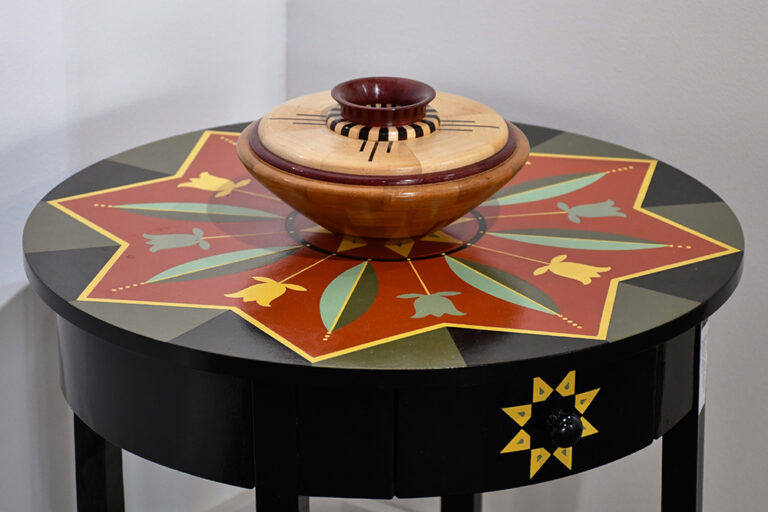
Mike Uding: This represents Basler’s most interesting curatorial choice—recognizing artistry in someone who “might not consider himself an artist” but whose woodwork is “too beautiful not to be considered high art.” Uding’s pieces are functionally utilitarian—bowls, cutting boards, turned vessels, furniture—but the craftsmanship, wood selection, grain pattern awareness, and finish quality elevate them beyond mere function. This blurs the art/craft boundary in ways that serious collectors increasingly value. Studio craft movement has established that exceptional skill in traditional craft media (woodworking, ceramics, metalwork, fiber) deserves recognition as fine art when executed with artistic vision and technical mastery. Uding’s inclusion at Silver Sycamore signals that the gallery understands this evolution, that Basler trusts his own eye enough to represent work that doesn’t fit conventional “gallery art” categories, and that customers will encounter unexpected excellence alongside more traditional paintings and sculptures.
The Discovery Narrative: When Silver Sycamore represents artists like Uding—people working outside conventional art world channels—it positions the gallery as tastemaker rather than just retailer. Customers aren’t just buying what’s already validated by museums and major galleries; they’re discovering talent before wider recognition drives prices higher. This early-collector appeal matters significantly for art buyers who understand that investment value often comes from identifying quality before consensus forms. The collector who bought Thomas Hart Benton’s work in 1936 during the Art Colony years paid far less than collectors pay today for the same paintings. Silver Sycamore’s willingness to represent emerging or unconventional talent creates similar opportunities for today’s buyers.
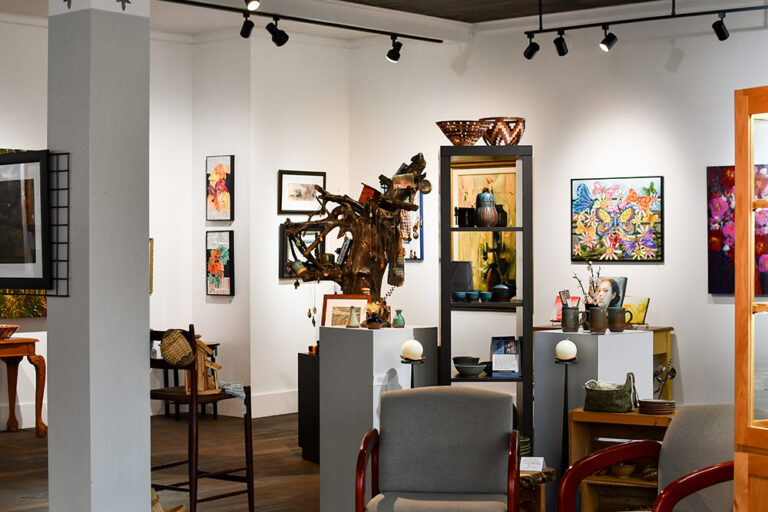
The broader roster—including photographers like Tom Hogenmiller and Erich Vieth, pottery by Randy and Mieka Ingram, work by Don Langeneckert, Janice Nabors Raiteri, Diane Wilson, Rick Bayers, and others—demonstrates range and depth. Visitors encounter “a lot of diversity, plenty of intriguing paintings, beautiful pottery and breathtaking woodwork” within single gallery space. This variety means Silver Sycamore serves multiple collector types: people seeking museum-quality work by established artists (Cavanaugh, Rhinehart), people wanting connection to regional art history (Art Colony works), people discovering emerging talent (Naeger, Gilliam, Uding), and people simply seeking beautiful objects to live with. The gallery doesn’t force customers into single aesthetic or price point; it offers genuine choice curated by knowledgeable eye rather than commercial calculation.
Professional Framing: The Only Service Between St. Louis and Cape Girardeau
Custom framing is one of those services that seems simple until you need it done well, at which point you discover that most framers are adequate at best and that truly professional work requires expertise, materials, and care that justify driving significant distances to access.
Silver Sycamore provides the only professional custom framing service between St. Louis (60 miles north) and Cape Girardeau (60 miles south). This 120-mile gap means that anyone in the region seeking quality framing faces either inadequate local options or substantial travel. Silver Sycamore fills this gap with framing that reflects the same attention to detail and artistry that characterizes everything in Sainte Geneviève.
Why Professional Framing Matters:
Preservation: Museum-quality framing protects artwork from environmental damage—UV light, humidity, pollutants, physical contact. Acid-free mats, conservation glass, proper mounting techniques, and sealed backing prevent deterioration that inadequate framing accelerates. For valuable artwork (whether monetary or sentimental), professional framing is preservation investment that maintains condition and value over decades.
Presentation: The right frame enhances artwork without overwhelming it, creates visual unity between piece and its display environment, and demonstrates that the owner values the work enough to present it properly. Amateur framing often fights with the artwork—wrong proportions, inappropriate materials, poor color choices—while professional framing creates seamless presentation where frame and art work together.
Customization: Professional framers offer material choices (wood species, metal finishes, specialty moldings), mat options (colors, textures, single or multiple mats, decorative cuts), glazing selections (regular glass, museum glass, acrylic, anti-reflective coatings), and design consultation matching frame to artwork and intended display location. This customization ensures each piece receives treatment appropriate to its specific needs rather than generic solutions.
Why Silver Sycamore Specifically:
Sainte Geneviève’s Craftsmanship Culture: The description notes that “Sainte Geneviève is a place where extra care is taken, and the artistry in everything shines through.” This isn’t marketing hyperbole—it’s observable truth about communities that maintain craft traditions. When you frame at Silver Sycamore, you’re accessing that culture of care, that expectation that quality work requires time and attention, and that shortcutting process to save time or money produces inferior results that ultimately cost more through premature replacement or artwork damage.
Artist-Owner’s Understanding: Leon Basler’s own artistic practice means he understands framing from creator’s perspective—how framing affects visual impact, what presentation choices support versus fight with the artwork, and why proper materials and techniques matter for long-term preservation. This knowledge informs Silver Sycamore’s framing service in ways that commercial framers (who may know techniques but don’t create art) cannot match.
Convenience with Quality: For anyone in the 120-mile gap between St. Louis and Cape Girardeau, Silver Sycamore eliminates the choice between convenient-but-inadequate local framing and distant-but-quality professional service. You can bring pieces to Sainte Geneviève (which you’re likely visiting anyway for the historic sites, the restaurants, the wineries, or the shopping), discuss framing options with knowledgeable staff, and return to pick up properly framed work without the logistics of coordinating with St. Louis or Cape Girardeau framers.
The framing service also creates ongoing customer relationships. Someone who purchases artwork at Silver Sycamore might return for framing, then discover new artists during that visit, then return for additional purchases, creating the kind of repeat business and personal connection that sustains galleries long-term. The framing service isn’t just additional revenue stream—it’s relationship-building tool that keeps customers engaged with the gallery beyond single artwork purchase.
Why Should You Buy from Silver Sycamore? The Three Essential Answers
When someone considers purchasing artwork at Silver Sycamore versus buying something similar locally or from online sources, they’re making decision based on three factors: story, uniqueness, and convenience.
The Compelling Story Connected to Your Visit:
You’re not just buying a painting—you’re buying a piece of Sainte Geneviève’s continuous artistic tradition that spans from John James Audubon in the early 1800s through the transformative 1930s Art Colony to today’s Ali Cavanaugh choosing this specific town as essential to her international career. When you hang that Cavanaugh watercolor in your home, you’re displaying work by a Time Magazine cover artist who could live anywhere but chose the same portal-to-another-time that attracted Benton, Jones, Rickly, and Schweig ninety years ago. When you purchase Naeger’s bird drawings, you’re acquiring contemporary work that continues Audubon’s aesthetic in the place where Audubon himself observed and painted American birds. When you invest in Rhinehart’s paintings, you’re buying documented artistic lineage—work by the last artist with direct training connection to the Art Colony, creating clear thread from 1930s Regionalism to 21st-century practice.
These stories matter. They add cultural significance, historical context, and investment justification that generic artwork lacks. The story you tell when someone asks about your art purchase isn’t “I liked the colors” but “I bought this in Sainte Geneviève, where [specific historical/artistic connection].” That narrative transforms the artwork from decoration to meaningful acquisition with documented provenance and cultural weight.
Artwork You Can’t Find Anywhere Else:
Silver Sycamore represents artists with unique connections to Sainte Geneviève (Cavanaugh’s hometown, Rhinehart’s training lineage, Naeger’s Audubon aesthetic) that make purchasing here different than buying similar work elsewhere. You can find watercolor portraits in any city, but only at Silver Sycamore can you buy Cavanaugh’s work in her actual hometown with direct gallery-artist relationship providing provenance documentation and potential personal interaction. You can find bird illustrations anywhere, but only here can you purchase Naeger’s contemporary Audubon interpretations in the location that inspired both artists. You can find Regionalist-influenced paintings in many galleries, but only Silver Sycamore offers Rhinehart’s work with documented connection to the actual 1930s Art Colony through his training with Matthew Ziegler.
The curation itself is unique—Leon Basler’s willingness to discover talent outside traditional channels (Mike Uding’s woodwork), his proficiency across multiple media informing his selections, his commitment to maintaining Rhinehart’s legacy while supporting emerging artists. You’re not just buying from inventory; you’re accessing a carefully curated collection reflecting knowledgeable artistic eye and commitment to Sainte Geneviève’s ongoing creative community.
Convenient Transport Solutions:
Silver Sycamore can ship large-scale work professionally. Owner Leon Basler has experience with international shipping (including 400-pound concrete sculptures to Munich), meaning he understands proper packing, crating, insurance, and logistics. For buyers concerned about transporting large paintings or fragile work, the gallery can coordinate professional shipping that protects the investment and eliminates the need to fit awkward artwork into vehicles not designed for art transport.
For buyers who prefer personal transport, the gallery provides proper packing materials, advice on safe handling, and assistance loading vehicles. The combination of expert framing service (ensuring work is properly protected before leaving the gallery) with transport support removes the practical barriers that often prevent people from purchasing large-scale artwork even when they love the piece.
These three factors—story, uniqueness, convenience—create compelling case for purchasing at Silver Sycamore specifically rather than buying similar art locally or online. The story connects each purchase to Sainte Geneviève’s documented artistic heritage. The uniqueness ensures you’re acquiring work available nowhere else, curated by someone with genuine expertise and artistic credibility. The convenience (framing, shipping, transport support) eliminates practical obstacles to buying and enjoying quality artwork.
Visiting Silver Sycamore: What to Expect
Location: 302 Market Street, Sainte Geneviève, MO 63670
Contact:
- Phone: 573-608-0692
Hours: Thurs. – Sat. 11:00 a.m. – 5:00 p.m., Sundays 12:00 p.m. – 3:00 p.m.
What You’ll Experience:
Upstairs Exhibition: The permanent Art Colony display featuring works by Thomas Hart Benton, Joe Jones, Jessie Beard Rickly, Aimee Schweig, and M. Charles Rhinehart. This is where you understand Sainte Geneviève’s nationally significant art history and see how contemporary work connects to that legacy.
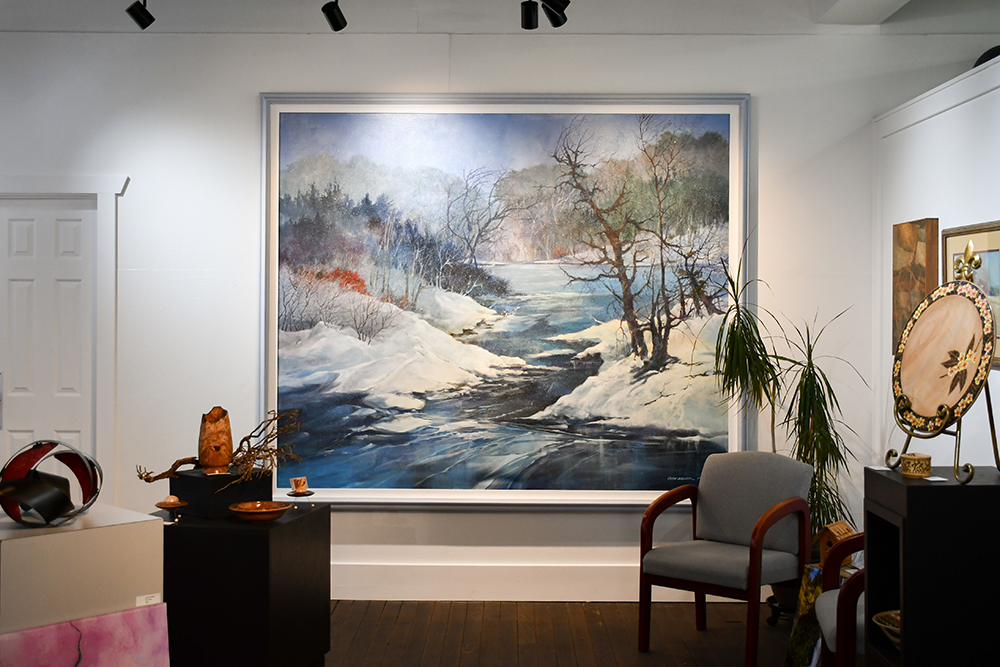
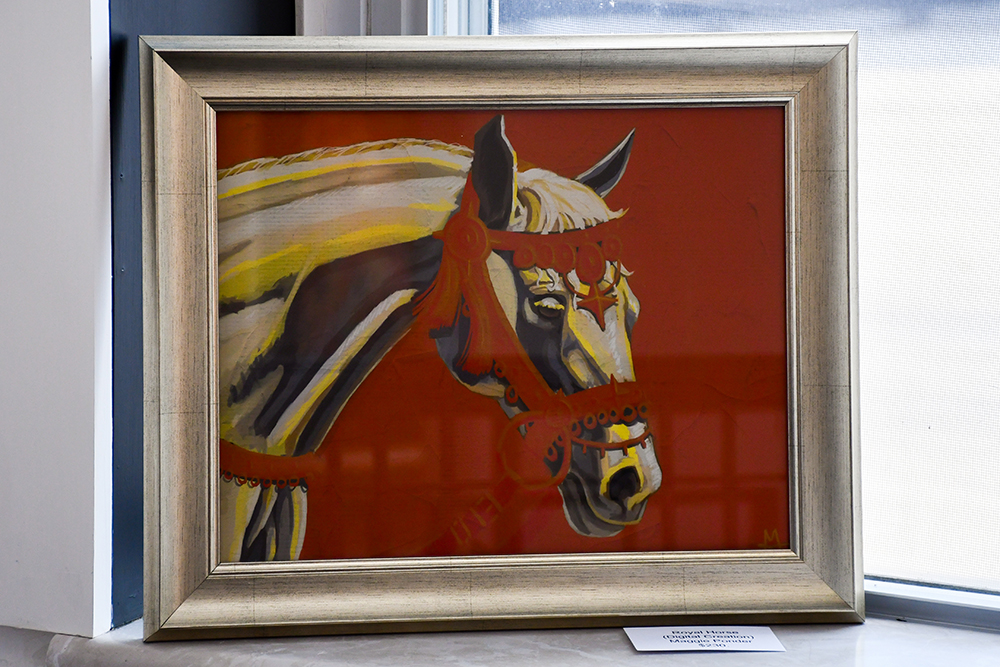
Main Gallery: Rotating exhibitions featuring Silver Sycamore’s roster of regional artists—Ali Cavanaugh’s watercolors, Andrew Naeger’s pen-and-ink bird drawings, Brenda Gilliam’s pointillistic everyday scenes, Mike Uding’s artistic woodwork, Leon Basler’s own multi-medium work, pottery, photography, and paintings across styles and subjects.
Welcoming Atmosphere: Reviews consistently mention the “friendly and welcoming atmosphere” and the gallery’s invitation to “relax with a cup of coffee or tea and find and enjoy the art.” This isn’t sterile white-box gallery where you feel pressured to buy or uncomfortable lingering. Silver Sycamore encourages browsing, questions, and taking time to genuinely engage with the artwork.
Knowledgeable Conversation: Leon Basler or staff can discuss technical aspects (how Cavanaugh achieves her luminous quality, what makes Naeger’s detail possible, how Rhinehart’s training connects to Art Colony traditions), historical context (the 1930s Art Colony story, Audubon’s Sainte Geneviève connection, why artists choose this location), and practical matters (framing options, shipping logistics, caring for specific media).
Fourth Friday Art Walks: Silver Sycamore participates in Sainte Geneviève’s monthly Fourth Friday Art Walk (May through October), when downtown galleries and shops stay open late, feature new exhibitions, and create festive atmosphere drawing locals and tourists. These events provide ideal opportunity to visit multiple galleries, meet artists (who often attend), and experience Sainte Geneviève’s arts community in active, social context rather than quiet daytime browsing.
Custom Framing Consultation: Bring pieces needing framing for consultation on materials, design, and cost. The gallery can show mat samples, frame molding options, glazing choices, and provide professional recommendations based on the artwork’s needs and your display environment.
Repeat Visits: The gallery’s commitment that “there’s always something new to see” means return visits reveal different exhibitions, new artists, and evolving displays. This isn’t static inventory that looks identical month after month; it’s active gallery program with rotating shows ensuring fresh content.
Where Silver Sycamore Fits in Your Sainte Geneviève Visit
Silver Sycamore sits at 302 Market Street in the heart of downtown’s shopping and gallery district, making it easily combinable with other downtown activities:
Morning: Coffee at Birdie’s, tour the Ste. Genevieve National Historical Park houses, visit Memorial Cemetery
Midday: Lunch at The Anvil Saloon or Stella and Me, browse Silver Sycamore, Two Rivers Gallery or Music, the Art Center & Museum, Music Art Love
Afternoon: Antique shopping at Ste. Genevieve Antique Mall (500 Market Street), visit Harold’s Famous Bees (234 Market Street), explore additional downtown shops
Evening: Dinner at The Anvil or another restaurant, attend Fourth Friday Art Walk if visiting on appropriate date
The gallery’s downtown location means you’re parking once and walking to multiple destinations rather than driving between scattered locations. Market Street’s concentrated retail and cultural offerings create the kind of pedestrian-friendly browsing experience that encourages leisurely exploration and impulse discoveries—you might plan to visit Silver Sycamore specifically but end up also discovering Harold’s honey sampling, the Antique Mall’s treasures, or the Centre for French Colonial Life’s exhibits all within few blocks’ walk.
Experience Art Where It’s Made, Curated by Someone Who Makes It
Silver Sycamore Gallery of Fine Art represents something increasingly rare: a gallery operated by an accomplished artist who understands both creation and curation, located in a town with documented artistic heritage spanning two centuries, representing artists whose work connects meaningfully to that heritage while blazing independent contemporary trails, and providing professional services (framing, shipping) that support serious collecting rather than just casual browsing.
Visit Silver Sycamore to purchase Ali Cavanaugh’s work in her hometown. Discover Andrew Naeger’s contemporary Audubon aesthetic. Invest in M. Charles Rhinehart’s documented Art Colony lineage. Browse work by Brenda Gilliam, Mike Uding, and the diverse roster of artists Leon Basler’s eye has discovered and elevated. Get professional framing unavailable anywhere else within 60 miles in either direction. And most importantly, experience what happens when storytelling, curation, historical awareness, and genuine artistic expertise combine in a single gallery space that takes art seriously while maintaining the welcoming atmosphere that makes buying art pleasure rather than intimidating transaction.
This is where Sainte Geneviève’s artistic past meets its creative present. This is where the portal that attracted Audubon, Benton, Jones, and Cavanaugh reveals itself through paintings, drawings, pottery, and woodwork that couldn’t exist anywhere else. This is Silver Sycamore—302 Market Street, where the art takes your breath away and the stories make you understand why people travel specifically to buy here.



Sorry, no records were found. Please adjust your search criteria and try again.
Sorry, unable to load the Maps API.