



Ste. Genevieve – Modoc Ferry
For well over two centuries, a ferry crossing has connected the Missouri and Illinois shores of the Mississippi River near Ste. Genevieve, making it one of the oldest continuously operating transportation routes in the American Midwest. Today’s Ste. Genevieve – Modoc Ferry carries on a tradition stretching back to the very earliest days of European settlement in the region—a living link to the frontier era when the Mississippi was both highway and boundary. Now operating Wednesday through Sunday, the ferry provides reliable access to historic sites on both sides of the river, carrying vehicles and passengers across approximately 10-15 minutes of pure Mississippi River experience. The crossing represents more than transportation; it’s a step back in time and a connection to the river’s enduring power and presence that hasn’t fundamentally changed in over 200 years.
A French-Language Petition: 1798
The story of this ferry crossing begins in 1798, when residents of Ste. Genevieve formally petitioned for ferry service across the Mississippi. The petition itself was written in French—the language of commerce, government, and daily life in this thriving French colonial river town. At that time, Ste. Genevieve was already a well-established community, one of the most important settlements in Upper Louisiana, and the need for reliable river transportation was essential for trade, communication, and connection with settlements on the Illinois side.
The Mississippi River was the superhighway of its day, but it was also a formidable barrier. Establishing a ferry wasn’t just a matter of convenience but rather vital infrastructure facilitating movement of goods, people, news, and ideas between the Spanish-controlled west bank and the American-controlled east bank. Illinois had become part of the United States with the Northwest Ordinance of 1787, while Missouri remained Spanish territory until the Louisiana Purchase of 1803. That 1798 French-language petition represents a fascinating moment in American history: a predominantly French-speaking population under Spanish rule, requesting infrastructure to connect with American territory across the river, in a region soon to become part of the expanding United States.
Two Centuries of Continuous Service
From those earliest days to the present, ferry service has continued at or near this crossing through Spanish colonial rule, the Louisiana Purchase, Missouri statehood, the Civil War, industrialization, and into the modern era. While the ferries themselves have evolved dramatically—from simple pole-powered rafts to steam-powered vessels to today’s diesel-powered boats—the essential purpose remains unchanged: connecting the two shores of the Mississippi River.
The longevity of this ferry service is remarkable. While bridges now span the Mississippi at numerous points and modern highways have replaced muddy frontier roads, the Ste. Genevieve – Modoc Ferry continues to serve those who prefer a more scenic, historic, and practical route across the river. For locals, it’s an everyday convenience. For visitors, it’s a chance to experience the Mississippi in a way that hasn’t fundamentally changed since the 1800s.
The Experience Today
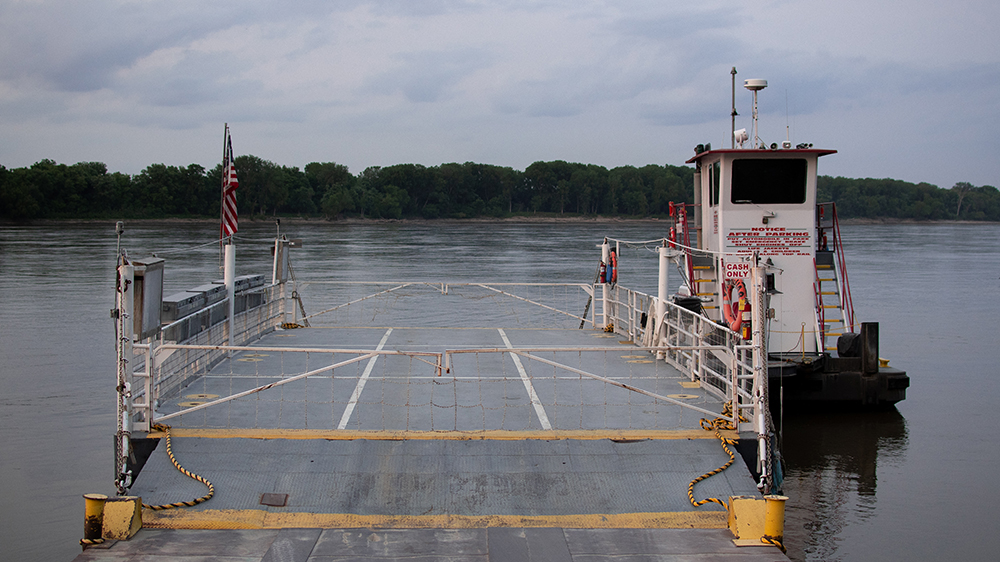
Crossing the Mississippi on the Ste. Genevieve – Modoc Ferry is more than just transportation—it’s a step back in time and a connection to the river’s enduring power and presence. As you drive your vehicle onto the ferry deck and feel the gentle rocking motion as the boat pulls away from shore, you’re participating in a ritual that countless travelers have experienced before you.
The crossing offers spectacular views of the Mississippi River—sometimes placid and glassy, other times powerful and churning, but always impressive in its scale and presence. Watch for barges moving commerce up and down the river, just as keelboats and steamboats did in earlier eras. Observe tree-lined bluffs and floodplains that have witnessed centuries of human history. Feel the breeze off the water and listen to the sound of diesel engines—modern replacements for the muscles and poles that once propelled ferries across this same stretch of water.
A Cyclist’s Gateway to Adventure
The ferry welcomes cyclists, offering a unique opportunity for bike enthusiasts to extend their adventures across state lines. Once you reach the Illinois side, miles of scenic farmland trails await, winding through fertile bottomlands and rolling countryside that have sustained communities for centuries. These relatively flat, peaceful routes take you through working agricultural landscapes where corn and soybean fields stretch to the horizon, past historic farmsteads, and through small communities retaining their rural character.
Cycling these Illinois backroads offers a slower, more intimate way to experience the region—feeling the rhythm of the land, breathing fresh country air, and enjoying the kind of tranquil riding increasingly hard to find. Whether planning a leisurely day trip or a more ambitious cycling tour of French colonial sites, the ferry makes possible unique bike routes simply wouldn’t exist without this historic river crossing.
Gateway to French Colonial Heritage
The ferry serves as more than a local convenience; it’s a vital link connecting visitors to an entire region rich in French colonial history. On the Illinois side, the ferry provides access to remarkable historic sites including the Pierre Menard House in Prairie du Rocher, an elegant French Creole mansion offering a glimpse into the lifestyle of early 19th-century French colonial leaders, and the impressive Fort de Chartres, where popular French heritage events and reenactments take place throughout the year.
These sites, together with Ste. Genevieve, form a broader landscape of French colonial heritage telling the story of New France’s influence in the Mississippi Valley. The ferry makes it easy for history enthusiasts to experience multiple sites in a single trip, creating a comprehensive picture of French colonial life on both sides of the Mississippi.
The ferry also connects Illinois travelers with historic Kaskaskia—once Illinois’s first state capital and a thriving French colonial settlement. Kaskaskia’s story is particularly poignant: the New Madrid Earthquake of 1811-1812 dramatically altered the Mississippi River’s course, eventually separating Kaskaskia from its Illinois motherland and leaving it stranded on the Missouri side of the river. This quirk of geological fate means that today, a small piece of Illinois exists west of the Mississippi, accessible from Missouri. The ferry facilitates visits to this fascinating geographic and historic anomaly, where visitors can explore the Liberty Bell of the West and contemplate the powerful forces—both natural and historical—that have shaped this remarkable region.
For those interested in French colonial heritage, the Ste. Genevieve – Modoc Ferry isn’t just a river crossing but rather the thread weaving together a tapestry of interconnected historic sites, each telling part of the larger story of French presence and influence in the American heartland.
A Living Monument
The Ste. Genevieve – Modoc Ferry is more than a working ferry—it’s a living monument to persistence, practicality, and the enduring importance of the Mississippi River in shaping the character of communities along its banks. While much has changed since that French-language petition was submitted in 1798, the fundamental need to cross the river remains, and this ferry continues to answer that need just as it has for more than two centuries.
For visitors to Ste. Genevieve, the ferry offers a unique way to arrive or depart, transforming a simple river crossing into a memorable experience that connects you directly to the town’s colonial heritage. It’s a reminder that history isn’t always found in museums and restored buildings—sometimes it’s found in the everyday infrastructure that continues to serve communities across generations.
Practical Information
- Name: Ste. Genevieve – Modoc Ferry
- Location: Between Ste. Genevieve, Missouri and Modoc, Illinois
- Hours: Wednesday – Sunday (year-round, weather and river conditions permitting)
- Crossing Time: Approximately 10-15 minutes
- Vehicles: Capacity for vehicles and passengers
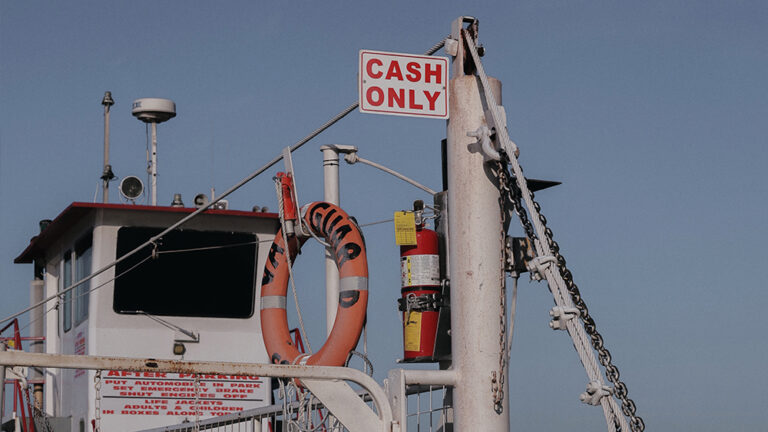
- Toll: Small toll charged per vehicle (cash only)
- Contact: Call Welcome Center for current status at 573-883-7097 or 573-880-6970
- Website: stegenmodocferry.com
Perfect For:
- History enthusiasts traveling a route petitioned for in 1798
- Photographers seeking authentic Mississippi River shots
- Cyclists extending adventures across state lines
- Those exploring French colonial heritage sites on both sides of the river
- Anyone combining Ste. Genevieve tourism with Illinois historic sites
- Travelers seeking slower, more intentional river crossing experience
- Visitors wanting to experience frontier-era transportation methods
- People valuing practical infrastructure that connects generations
The Ste. Genevieve – Modoc Ferry succeeds because it understands that sometimes the journey matters as much as the destination. This isn’t merely efficient point-to-point transportation but rather an experience connecting you to centuries of river crossings, colonial heritage, and the enduring power of the Mississippi.
Book your ferry crossing Wednesday through Sunday. Drive your vehicle onto the ferry deck, feel the gentle rocking motion as the boat pulls away from shore, watch the river flow beneath you, and understand why this crossing has mattered for over 200 years. Whether you’re heading to Fort de Chartres, exploring Kaskaskia, cycling Illinois backroads, or simply seeking a unique way to experience the Mississippi, the Ste. Genevieve – Modoc Ferry delivers what few tourist attractions offer—genuine connection to American frontier history through infrastructure that continues to function exactly as it did generations ago.


Sorry, no records were found. Please adjust your search criteria and try again.
Sorry, unable to load the Maps API.