


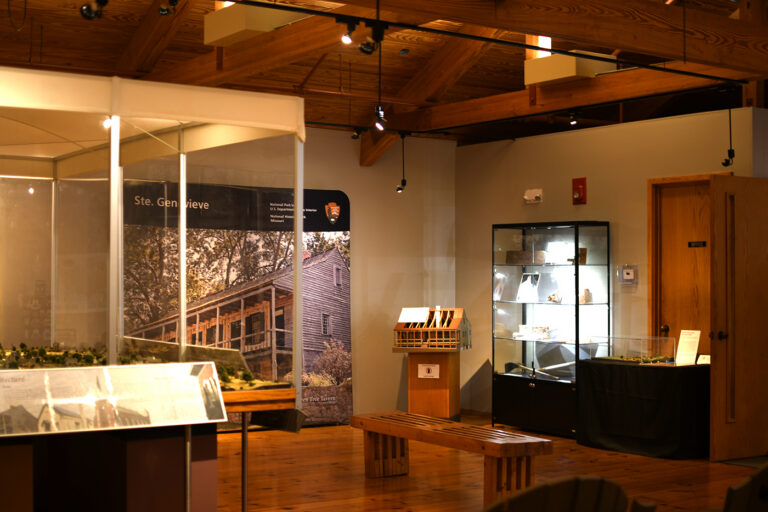
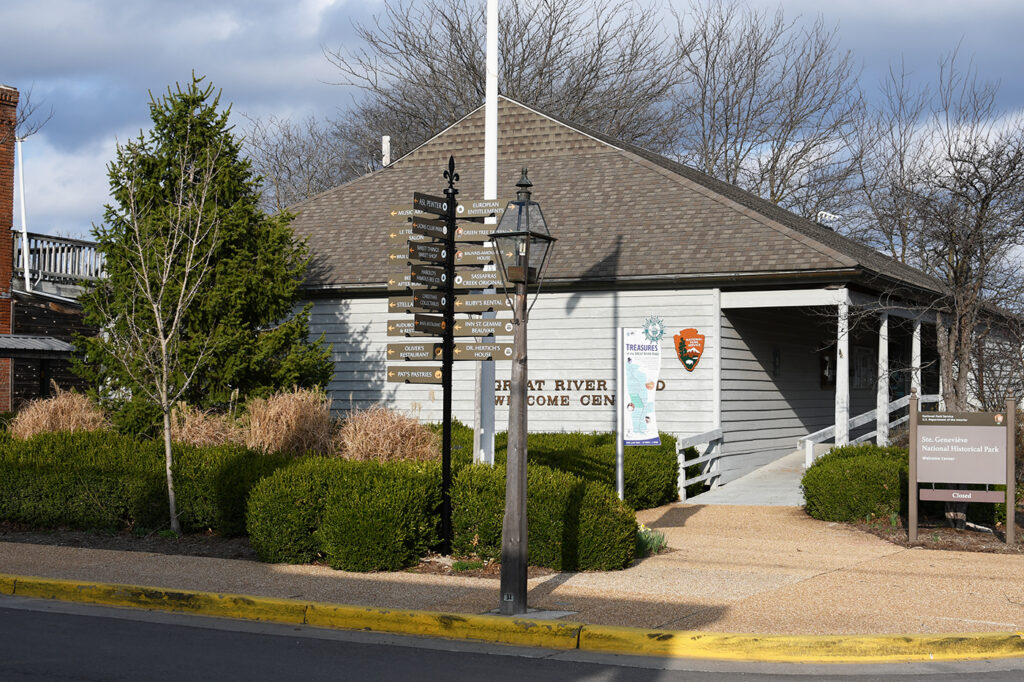
Ste. Genevieve Welcome Center
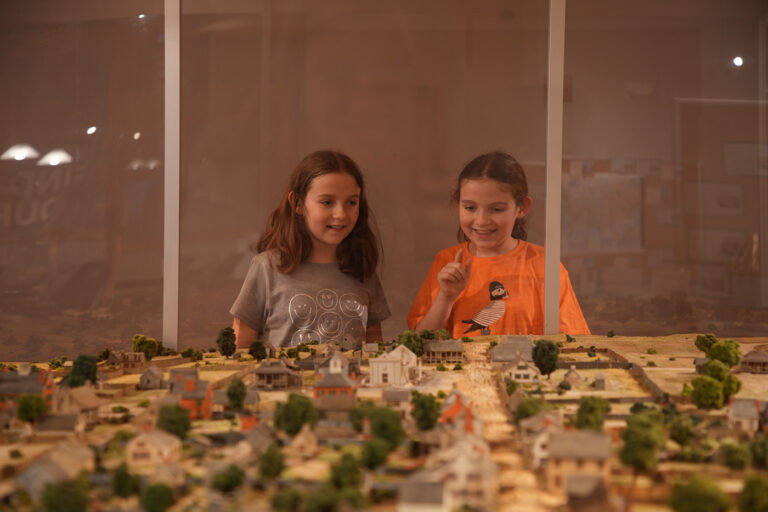
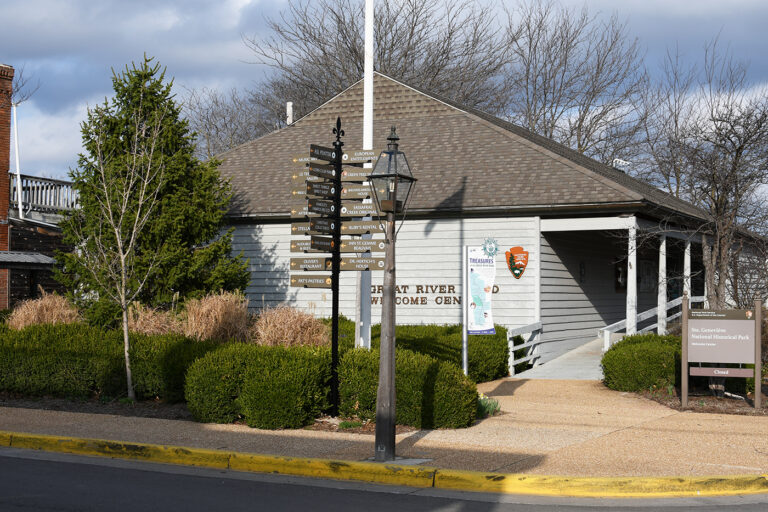
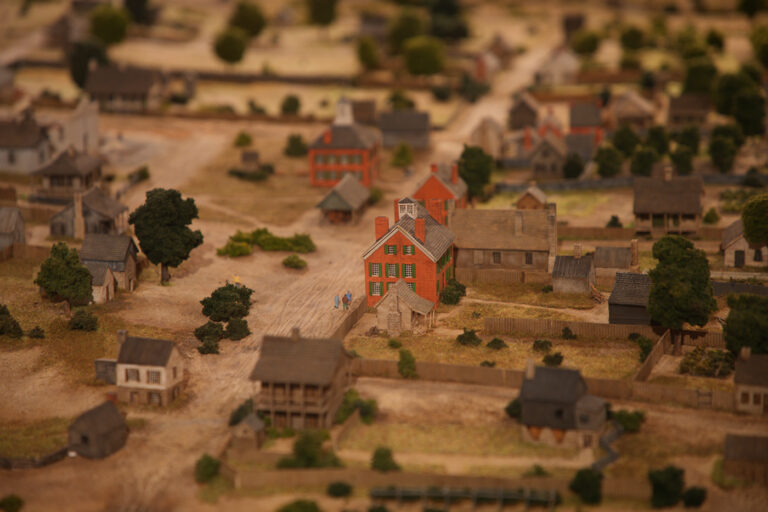
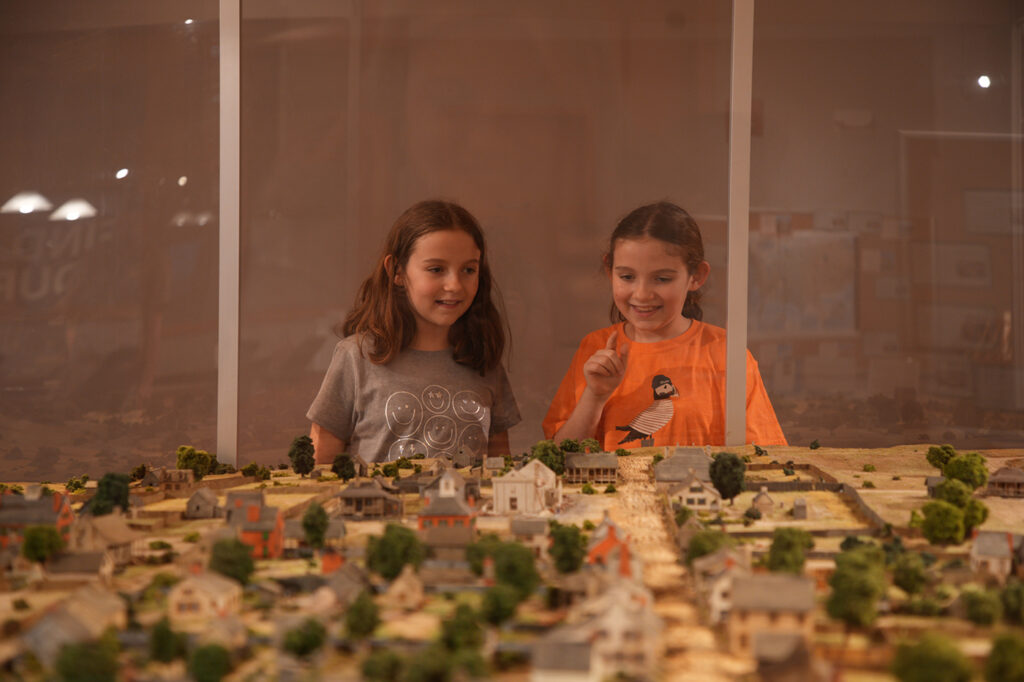
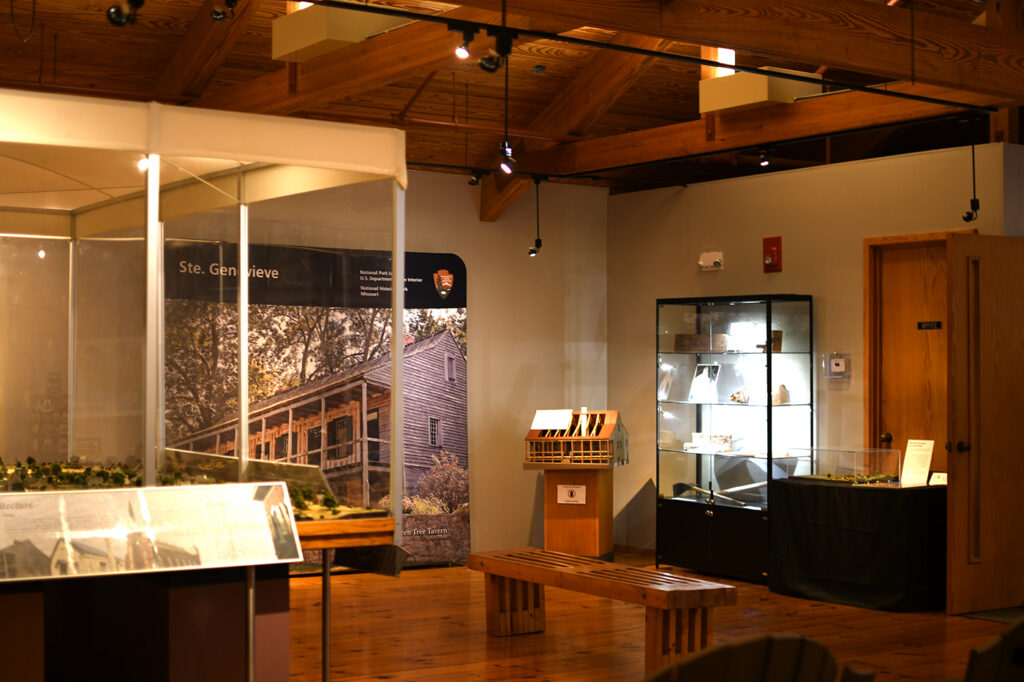
At 66 South Main Street in the heart of downtown Ste. Genevieve, the Welcome Center serves as the essential first stop for visitors exploring America’s oldest settlement west of the Mississippi River and the gateway to Ste. Geneviève National Historical Park. Currently operated by the City and transitioning to National Park Service ownership, it functions as both tourism hub and official park visitor center, providing everything you need to understand and navigate what makes Ste. Genevieve remarkable. The centerpiece is Lewis Pruneau’s magnificent 12-foot by 12-foot diorama depicting Ste. Genevieve as it appeared in 1832—meticulously researched by resident historian Jim Baker and hand-crafted by internationally acclaimed diorama builder Pruneau, who Sheperd Paine (arguably the best-known figure in the genre) once called “the Cecil B. DeMille of diorama builders.” The gift shop stocks excellent selections of Ste. Genevieve merchandise, books, maps, and National Park Service materials. Knowledgeable NPS Rangers staff the center, a Junior Ranger program welcomes families, and admission is completely free. One visitor summed it up perfectly: “Fantastic National Park Service visitor center. Rangers are excellent, very friendly, helpful, and nice. Lots to do and see. Very lovely community.”
Lewis Pruneau’s 1832 Diorama: The Crown Jewel
The diorama deserves special attention because it’s genuinely remarkable. At 12 by 12 feet, it’s substantial enough to convey genuine complexity, yet intimate enough to invite close examination. Pruneau depicted Ste. Genevieve as it existed in 1832—that specific moment when the town had matured past its earliest frontier phase but hadn’t yet been absorbed into American commercial expansion.
The research matters. Jim Baker, a resident historian and former superintendent of Felix Vallé State Historic Site, conducted the historical investigation ensuring every building, street layout, and detail reflected actual conditions. This isn’t imaginative recreation but documented representation. That rigor shows. The diorama doesn’t just look right—it reflects genuine scholarship translated into three-dimensional form.
Pruneau’s technique displays masterly skill. The figures are carefully posed. The architecture reflects genuine proportion and detail. The landscape grounds everything in place. It’s the kind of work that rewards prolonged viewing—you notice new details each time you look. Children are drawn to it immediately; history enthusiasts find themselves studying it for extended periods.
Sheperd Paine’s assessment—calling Pruneau “the Cecil B. DeMille of diorama builders”—captures the truth: Pruneau approaches miniature scenes with the same attention to spectacle and historical authenticity that DeMille brought to epic films. That’s rare mastery in a craft most people never think about.
Dual Purpose: City Tourism and National Historical Park
The Welcome Center occupies a unique position. It’s simultaneously the City of Ste. Genevieve’s tourism headquarters and the official visitor center for Ste. Geneviève National Historical Park (established March 2018). That dual mission means you get both practical tourism guidance for restaurants, shops, and lodging plus authoritative information about historic sites and National Park resources.
The National Park Service Rangers on staff bring professional expertise. They can explain colonial history with accuracy, recommend walking routes connecting historic sites, answer detailed questions about architecture and preservation. Unlike volunteer-staffed tourism offices, NPS Rangers have specialized training in park interpretation and historical context.
The Junior Ranger program introduces young visitors to park sites and history through age-appropriate activities and education, creating memories and understanding that linger after the visit ends.
Gift Shop and Resources
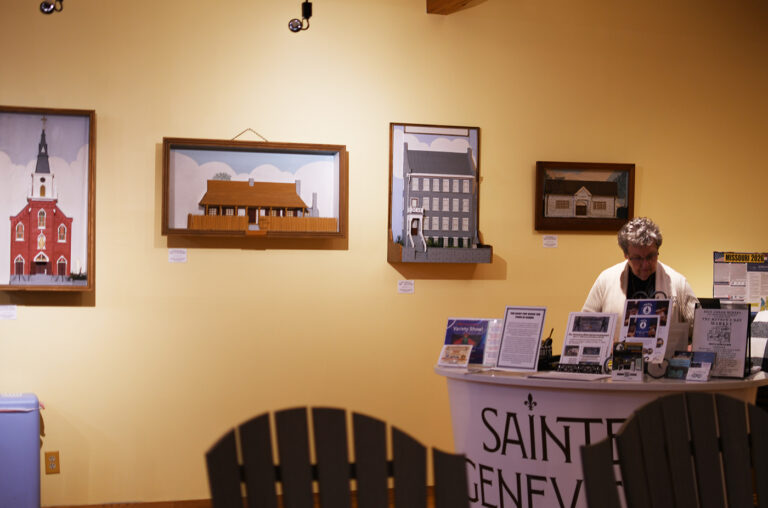
The well-curated gift shop reflects both tourism and educational missions. Books explore Ste. Genevieve’s history and French colonial heritage. Maps help visitors navigate downtown and wine country. National Park Service materials provide background on historic sites. Merchandise celebrates local character without devolving into generic souvenir kitsch. You’ll find items actually worth bringing home, gifts that mean something because they connect to the place you’re visiting.
Free Admission: No Barriers to Exploration
Admission is completely free. Walk in, examine the diorama, browse the gift shop, speak with Rangers, participate in programs—no entry fee. That accessibility matters. It removes barriers for families on tight budgets, encourages casual visits, and positions the Welcome Center as genuine community resource rather than ticketed attraction. You can stop for five minutes or spend an hour and face no financial pressure either way.
NPS Transition: Permanent Designation
Legislation (S. 3338, Ste. Geneviève National Historical Park Boundary Revision Act) authorizes transferring the approximately one-acre property from city to NPS ownership. This transition formalizes what already functionally exists: the Welcome Center functioning as the official gateway to the National Historical Park. Once complete, it ensures permanent National Park Service designation and protection, securing the center’s future as an essential visitor facility.
Practical Information
- Name: Ste. Genevieve Welcome Center (Ste. Geneviève National Historical Park Visitor Center)
- Location: 66 South Main Street, Ste. Genevieve, Missouri 63670
- Phone: (573) 883-7097 or (573) 880-6970 (ferry information)
- Toll-Free: 1-800-373-7007
- Email: tourism@stegenevieve.gov
- Hours: March 1-October 31: 9 AM-5 PM daily; November 1-February 28: 10 AM-4 PM daily
- Admission: Free
- Staffing: National Park Service Rangers
- Crown Feature: Lewis Pruneau’s 1832 Ste. Genevieve Diorama (12′ x 12′)
- Programs: Junior Ranger program, park interpretation, walking tours
- Gift Shop: Ste. Genevieve merchandise, books, maps, NPS materials
- Parking: Downtown Ste. Genevieve parking available
- Walking Distance: All downtown historic sites, restaurants, shops, galleries
Perfect For:
- First-time visitors orienting themselves to downtown
- History enthusiasts seeking authoritative information about colonial heritage
- Families with children (Junior Ranger program)
- Those wanting to understand Ste. Geneviève National Historical Park
- Art lovers appreciating Pruneau’s diorama mastery
- Anyone planning downtown walking tours
- Visitors seeking free, high-quality interpretive resources
- Travelers needing maps, recommendations, and tourism guidance
The Welcome Center works because it serves genuine community function alongside tourism purpose. National Park Rangers aren’t trying to sell you something—they’re sharing expertise about history and place. The diorama isn’t gimmicky but genuinely fascinating. Free admission means no financial gatekeeping. The gift shop respects visitor intelligence rather than assuming you want generic souvenirs.
Lewis Pruneau’s 1832 diorama anchors the whole experience. Standing before it, you see Ste. Genevieve as it was nearly two centuries ago—the specific moment between frontier and established settlement, captured with scholarly precision and artistic mastery. That single artifact justifies the visit. Everything else—the gift shop, the Rangers, the park information, the Junior Ranger program—builds around it.
Visit the Welcome Center early in your Ste. Genevieve exploration. Let the Rangers orient you to downtown and historic sites. Spend time with the diorama. Pick up maps and recommendations. Then venture out knowing you’re exploring a documented historic landscape with understanding rather than mere curiosity. That’s what the Welcome Center provides: context that transforms tourism into genuine historical engagement.



Sorry, no records were found. Please adjust your search criteria and try again.
Sorry, unable to load the Maps API.