



Beauvais-Amoureux House – Ste. Genevieve National Historical Park
Standing as a remarkable testament to America’s French colonial heritage, the Beauvais-Amoureux House offers visitors a rare glimpse into the architectural ingenuity and daily life of 18th-century settlers along the Mississippi River. Now proudly preserved as part of the Ste. Genevieve National Historical Park, this exceptional structure invites you to step back in time and connect with the diverse roots of American culture.
Built to Last: The Story of Poteaux-en-Terre
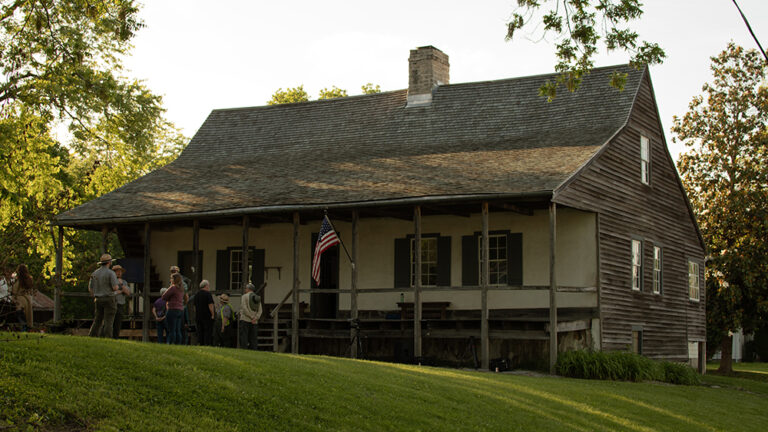
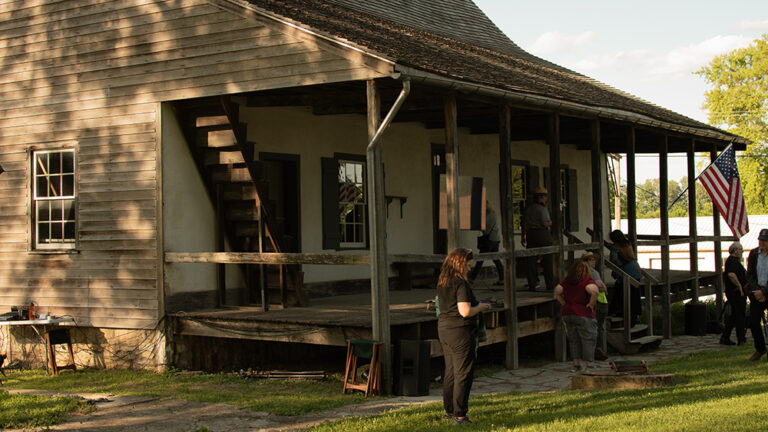
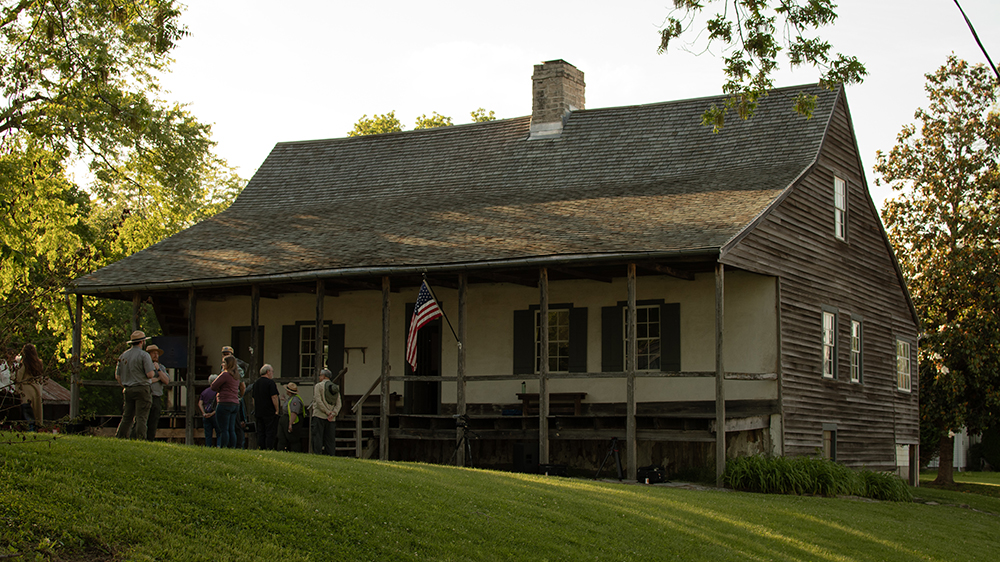
Built around 1792 by Jean-Baptiste St. Gemme Beauvais, this historic home overlooks le Grand Champ—Ste. Geneviève’s communal agricultural fields that once sustained the entire village. The house itself is an architectural treasure, constructed using the exceedingly rare “poteaux-en-terre” or “posts-in-the-earth” method, in which upright cedar log walls are set directly into the ground. This ancient building technique, brought from French Canada and adapted to the Missouri frontier, represents one of the few surviving examples of this construction style in the United States.
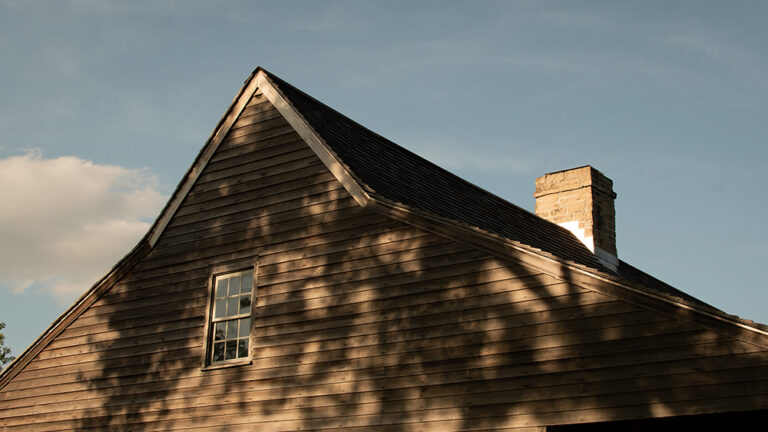
The home’s heavy, hand-hewn timbers form an impressive Norman truss system supporting a steeply-pitched roof—a distinctive feature that echoes the architectural traditions of early French Canada and speaks to the cultural memory settlers carried with them to the New World. Every beam and timber tells a story of craftsmanship, adaptation, and resilience.
Pelagie’s Story: A Woman’s Place in History
The house’s history continued to unfold through the 19th century when Benjamin Amoureux purchased the property in 1852. After his death, it was inherited by his wife, Pelagie Amoureux, whose own compelling story brings a personal dimension to the home’s history. Pelagie’s long-latent story was recently uncovered by a long-lost relative. In keeping with the true serendipitous nature of Sainte Geneviève and its hard-working inhabitants, that long-lost relative, a resident of California, fought to get that story told. A short film on Pelagie’s life was made by two-time Academy-Award Winning Breakwater Studios as a way to promote a new resource library that allows descendants of enslaved peoples to access genealogical records. You can watch the film and learn more here. During your visit, you’ll have the opportunity to hear Pelagie’s story and gain insight into the lives of the women who shaped this community.
Explore on Your Own Time
In keeping with the National Park Service’s commitment to providing expanded access to these historic treasures, the Beauvais-Amoureux House is available for self-guided tours daily. This accessibility allows visitors the freedom to explore at their own pace, spending as much time as they wish absorbing the atmosphere and details of this remarkable structure. Whether you’re an early morning explorer or prefer an afternoon stroll through history, the house welcomes you on your schedule.
Steps from Downtown, Centuries from Today
Located just steps from downtown Ste. Geneviève’s vibrant Historic District, the Beauvais-Amoureux House is easily accessible on foot from the town’s charming collection of shops, restaurants, bed and breakfasts, and other historic sites. This proximity creates a seamless connection between past and present, allowing visitors to walk the same streets, breathe the same river air, and experience the landscape much as earlier generations did.
More Than Walls: A Window Into Who We Are
These preserved vestiges of the past do more than simply document history—they add profound meaning to our shared American culture. The Beauvais-Amoureux House reminds us that the American story is wonderfully complex, woven from many cultural threads. The French colonial presence along the Mississippi, the blending of European, Native American, and African American influences, and the daily lives of ordinary people all contributed to the nation we’ve become.
By preserving structures like the Beauvais-Amoureux House, we maintain tangible connections to the diverse peoples and traditions that shaped our national identity. Standing within these hand-hewn walls, you’re not just observing history—you’re experiencing the ingenuity, determination, and cultural richness of those who came before us. These historic places ground us in something larger than ourselves and remind us that we are part of an ongoing story that stretches back generations and will continue long into the future.
Admission is free, making this extraordinary piece of American heritage accessible to all who wish to explore it.
Plan Your Visit: Everything You Need to Know
Start at the Great River Road Welcome Center
Before exploring the Beauvais-Amoureux House and other National Park sites, stop by the Great River Road Welcome Center at 66 S. Main St., open daily from 9 a.m. to 5 p.m. This shared facility serves as headquarters for both Ste. Genevieve’s tourism information and the Ste. Genevieve National Historical Park, making it your one-stop resource for planning your visit.
The Welcome Center is staffed by both local tourism personnel and National Park Service rangers who can provide:
- Detailed maps of all historic sites
- Comprehensive brochures about the National Park properties
- Current information on hours and accessibility
- Orientation exhibits to help you understand what you’ll see
- Recommendations for structuring your historic tour
- Information about other attractions, dining, and lodging in Ste. Genevieve
Visiting the Beauvais-Amoureux House
Hours: Daily, 9 a.m. to 5 p.m.
How Long to Allow: Plan for 25-35 minutes to fully explore the house and displays at your own pace. The self-guided format means you control the timing—you might spend less if you’re on a tight schedule, or linger longer if something particularly captures your interest.
Parking: Visitors should park on-site across the street at the boathouse—a distinctive warehouse building with glass garage doors that’s easy to identify. The parking is free and conveniently located just steps from the house.
Accessibility: The Ste. Genevieve National Historical Park is in its infancy, having been established only in 2020. Over the coming years, the National Park Service will be adding accessibility features to the historic properties. Currently, the Beauvais-Amoureux House is accessed by a set of steps, which may present challenges for visitors with mobility limitations. Contact the Welcome Center or park rangers for current accessibility information and to discuss your specific needs—they may be able to provide alternative ways to experience the site’s history.
Photography: The National Park Service welcomes filming, still photography, and audio recording at its sites. Feel free to document your visit and capture the remarkable architectural details. Standard National Park Service photography policies apply—check with rangers if you’re planning commercial filming or have questions about specific restrictions.
Seasonal Considerations: The house is open year-round with consistent hours, making it accessible in all seasons. Each season offers its own appeal: spring brings blooming landscapes around the property, summer offers warm weather for exploring the grounds, fall showcases beautiful foliage, and winter provides a quieter, more contemplative experience. Weather rarely affects access, though extreme conditions might occasionally necessitate temporary closures.
Combine with Other National Park Sites
The Beauvais-Amoureux House pairs beautifully with the Jean-Baptiste Vallé House, located just 0.4 miles away—an easy walk through the historic district. Visitors can absolutely see both properties in a single visit, and doing so provides valuable comparative perspective. The Beauvais-Amoureux House showcases the rare poteaux-en-terre construction and life in the 1790s-1850s period, while the Jean-Baptiste Vallé House demonstrates poteaux-sur-solle construction and the home of a colonial commandant. Together, they offer a comprehensive picture of French colonial architecture and social hierarchy.
The short distance between the two sites makes it easy to visit both without needing to move your car—simply enjoy a pleasant walk through Ste. Genevieve’s charming historic streets. Allow roughly an hour total for both houses, plus walking time between them.
Tips for the Best Experience:
- Start Early: Beginning your National Park tour when sites open at 9 a.m. means you’ll enjoy cooler morning temperatures in summer and have the houses more to yourself before afternoon crowds arrive.
- Bring Questions: If rangers are present, they’re knowledgeable and happy to answer questions. The self-guided format doesn’t mean you can’t get expert insight when available.
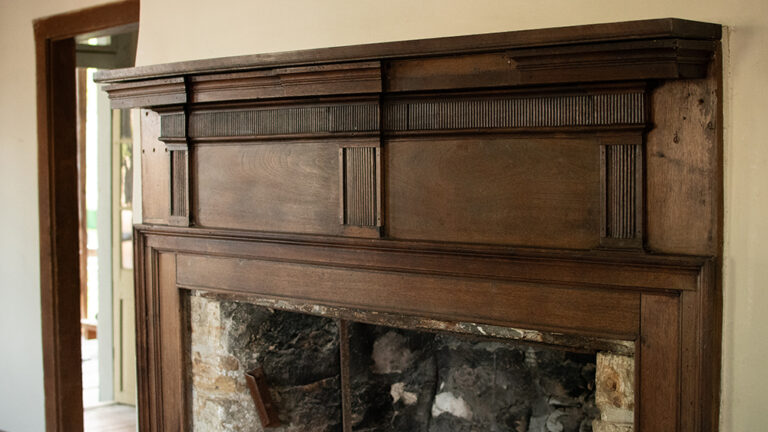
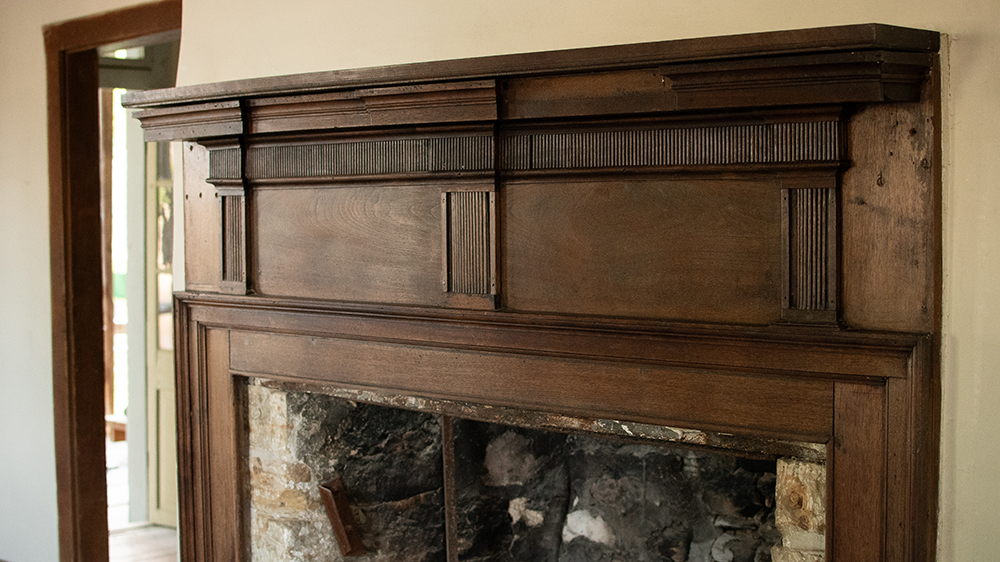
- Look Up, Look Down, Look Close: The architectural details reward careful observation. Notice the timber construction, examine the display materials, study the diorama’s details—the more closely you look, the more you’ll discover.
- Connect the Dots: After visiting the National Park houses, explore the privately operated French colonial homes (like the Bolduc House and Guibourd-Valle House) and the Centre for French Colonial Life to build a complete understanding of the town’s heritage.
- Download the NPS App: The National Park Service mobile app may offer additional information about Ste. Genevieve National Historical Park. Check before your visit to see if audio tours or supplementary content is available.
- Respect the Resource: These are irreplaceable historic structures. Please don’t touch walls, timbers, or displays unless specifically invited to do so, and help preserve these treasures for future generations.
Contact Information:
Great River Road Welcome Center: 66 S. Main St., Ste. Genevieve, MO Hours: Daily, 9 a.m. – 5 p.m.
For current information about Ste. Genevieve National Historical Park sites, contact the Welcome Center or visit the National Park Service website.



Sorry, no records were found. Please adjust your search criteria and try again.
Sorry, unable to load the Maps API.