

The Bolduc and LeMeilleur Houses: A Living Testament to Cultural Memory
Separated by a few yards and a few decades, yet bound together by bloodline and history, the Louis Bolduc House and the LeMeilleur House stand as guardians of a pivotal moment—that delicate pivot when the Mississippi Valley shifted from French colonial dream to American reality. Walk between them, and you witness something rare: not the story of loss, but of adaptation, persistence, resilience. Here, beneath timber framed in methods older than the nation that would claim them, lies the story of a people who refused to disappear even as their world transformed.
The Bolduc House: Prosperity Built on Wilderness Commerce
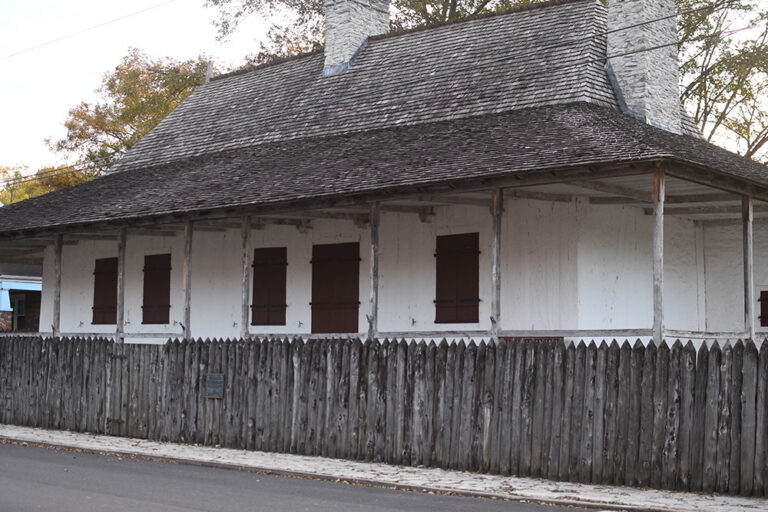
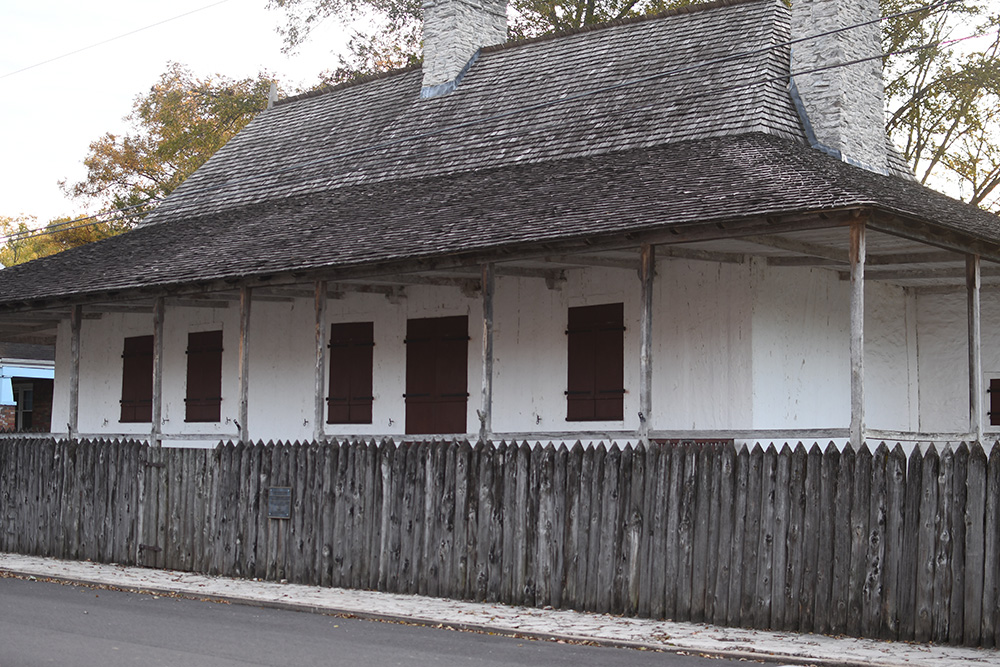
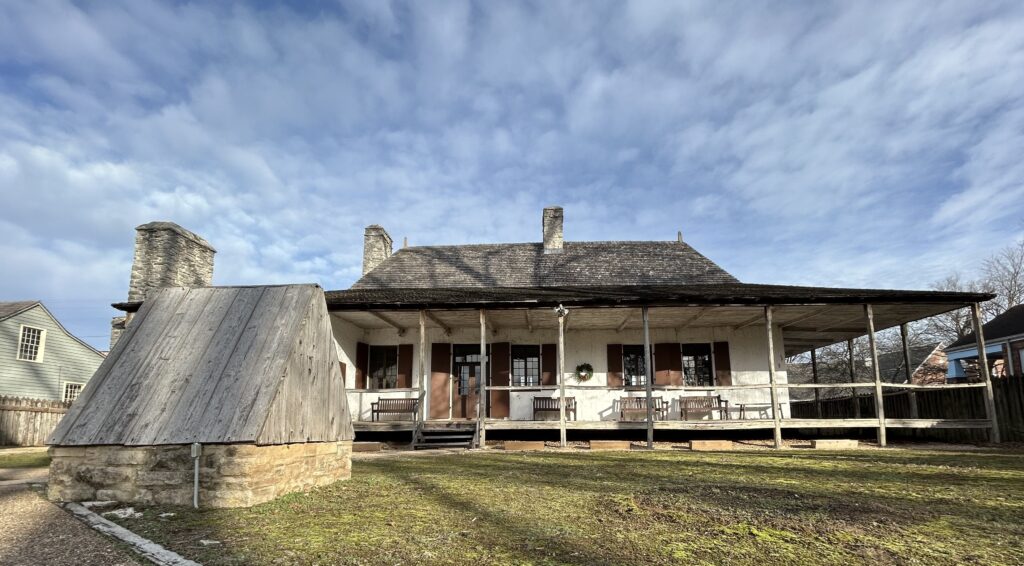
When Louis Bolduc raised timber skyward in 1788, he built from knowledge accumulated across an empire. His fortune did not rest in a single enterprise but rippled outward through channels carved by the Mississippi herself—fur trading networks threading into wilderness, lead mines carved from Missouri earth, crops grown in colonial soil, goods moving between New Orleans and northbound traders. His business networks didn’t simply stretch across the frontier; they wove Ste. Genevieve into the larger fabric of colonial commerce, connecting this frontier outpost to power centers and merchant houses far downstream.
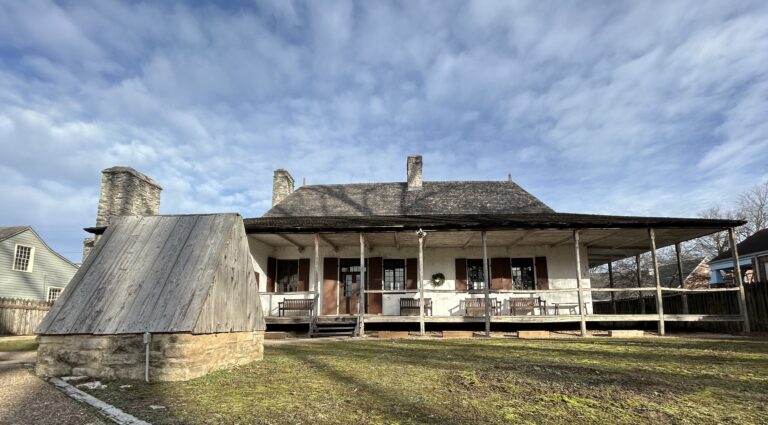
Yet prosperity alone does not explain the Bolduc House’s enduring significance. The vertical log construction—that distinctive French Colonial technique called poteau-sur-sole—speaks of cultural memory made manifest in wood. Each post set vertically into its sill carries the architectural language of Quebec and the pays d’en haut. This is not English timber construction imported to the frontier. This is French Creole builders insisting that the Mississippi Valley remember its colonial heritage through the very bones of their homes.
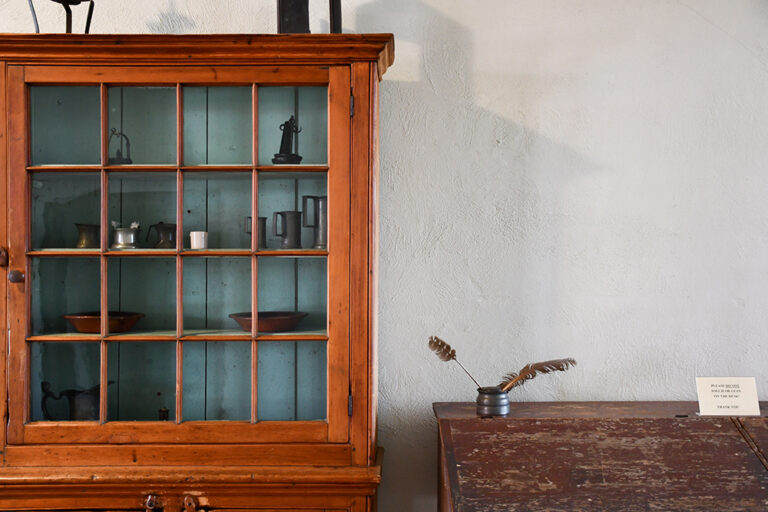
The house breathes with domestic life. Within those hewn walls lived not just prosperity but family—a keeping room measuring twenty-six by twenty-seven feet where life unfolded around a great fireplace, where the rhythms of colonial existence found their center. Above, the attic held lead and corn, precious commodities speaking to both commerce and survival. Beyond the main house, the separate kitchen building stands as testament to practical wisdom—keep cooking heat and fire risk away from the main dwelling, a consideration born from understanding fire’s danger on a frontier where wooden structures stood vulnerable.
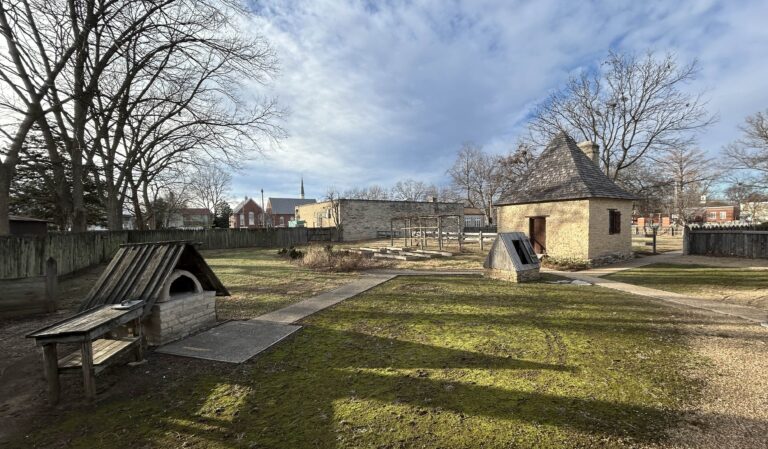
The gardens, reconstructed with scholarly precision from historical evidence, reveal how French colonial families maintained horticultural traditions even in wilderness. Raised beds held vegetables, medicinal herbs, perhaps flowers for religious observance—both practical necessity and cultural persistence intertwined, French gardening practices persisting through sheer force of memory.
The LeMeilleur House: The Next Generation Navigates Two Worlds
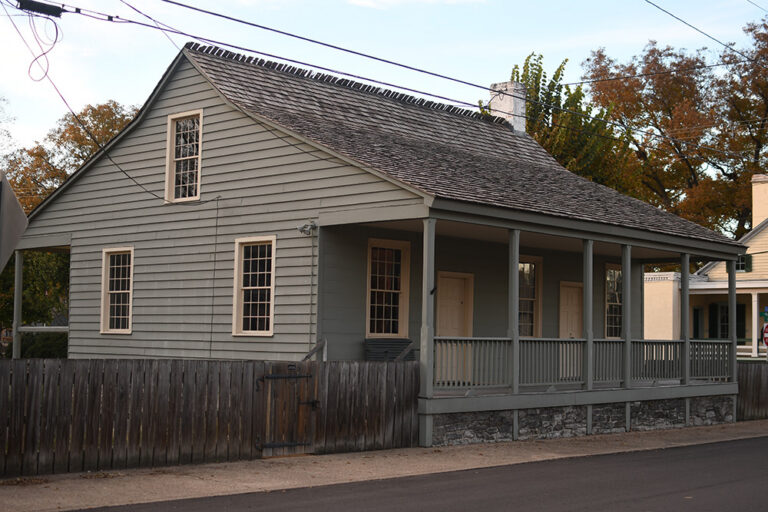
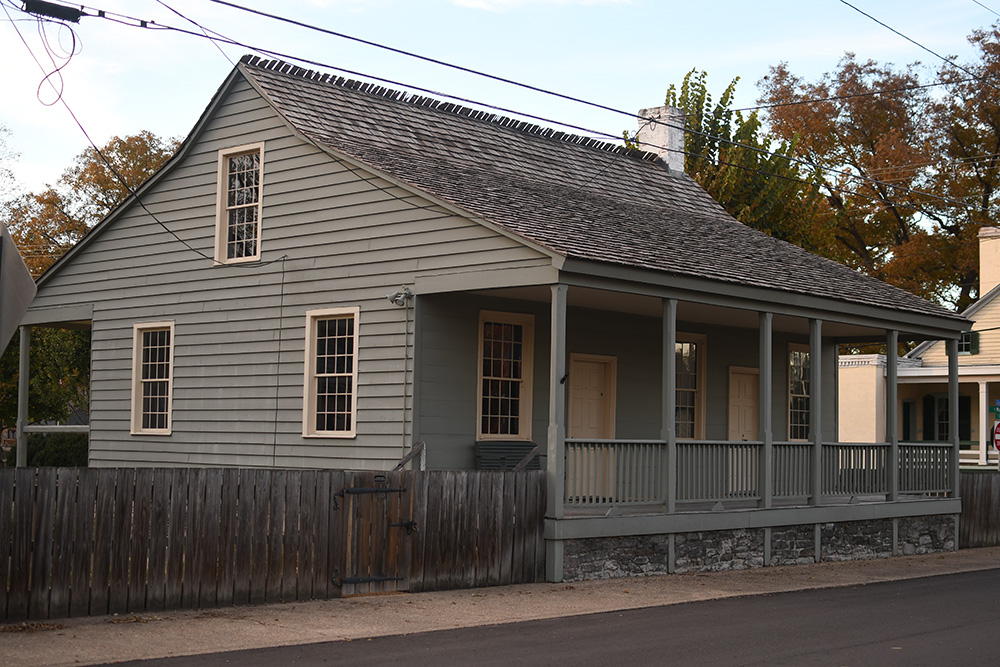
Built around 1820 by one of Louis Bolduc’s granddaughters, the LeMeilleur House tells a different story—not of colonial prosperity but of cultural negotiation. This generation grew up speaking French in a colonial household, yet came of age in American Missouri. They inherited their grandfather’s legacy not of empire-building but of adaptation. They had to learn to navigate two worlds simultaneously: honoring the Creole traditions woven through their childhoods while accepting the American political reality encircling their homes.
The house itself speaks this duality through its architecture—evolution rather than rupture, the visible transformation from Bolduc’s vertical log construction to newer building practices reflecting changing times. This is not abandonment of tradition but rather its translation, its patient metamorphosis from colonial to American form. To walk through the LeMeilleur House is to understand that cultural persistence does not require perfection or unchanging purity; it requires only the determination to carry memory forward, transformed but recognizable, into futures you never anticipated.
Guided Tours: Interpreting Through Objects and Stories
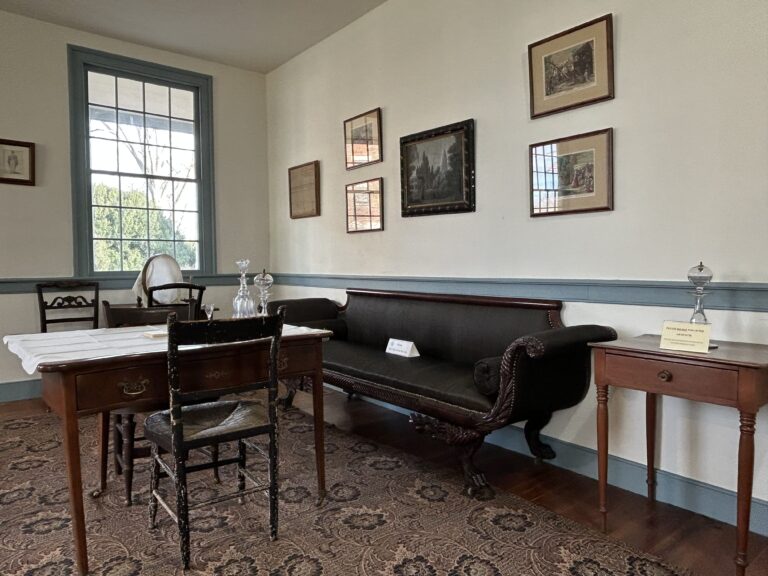
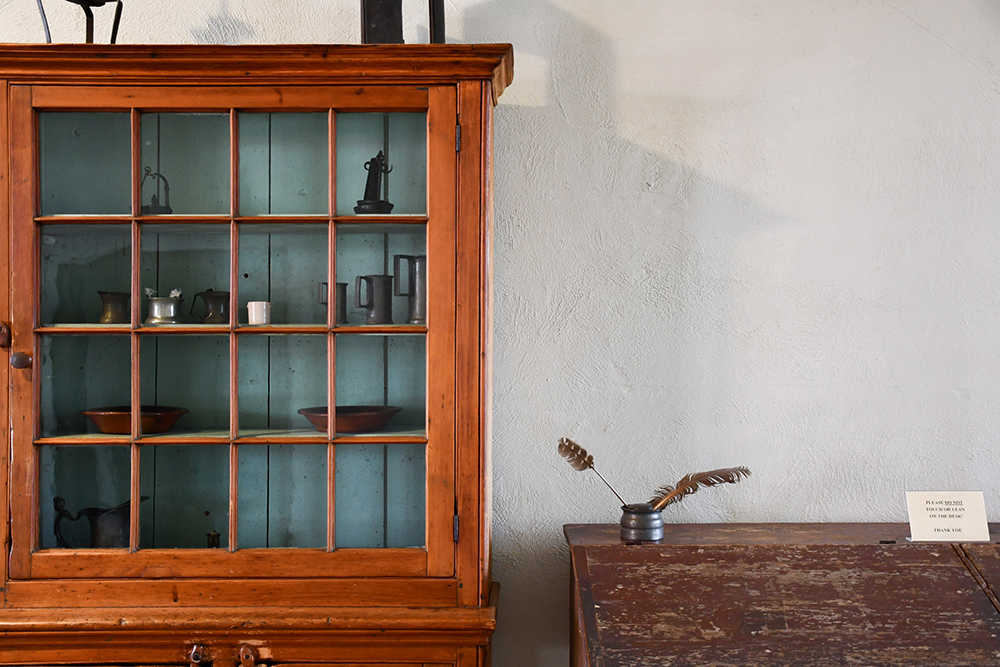
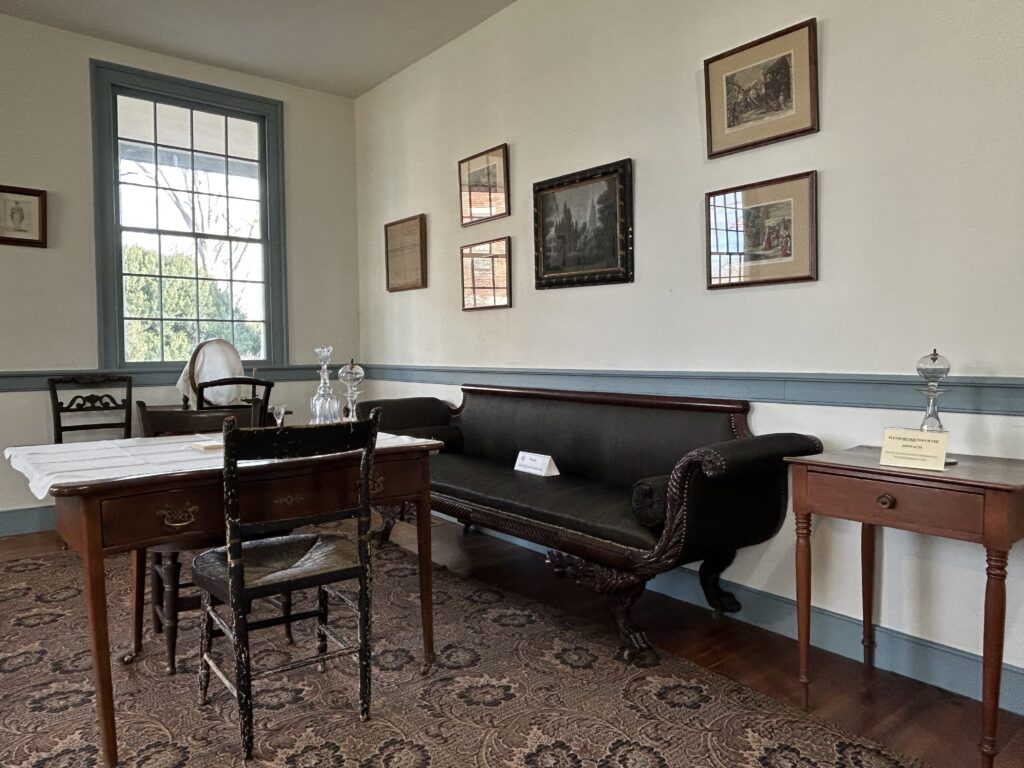
The Centre for French Colonial Life, positioned as gateway to this campus of memory, situates visitors within the larger narrative before they ever step into the historic homes themselves. Here, changing exhibits provide context—how French Creole life actually unfolded, what daily existence required, how commerce and family intertwined. Knowledgeable guides lead hourly tours through both houses, transforming periods of wood and furniture into living narrative—explaining the significance of architectural choices, revealing what furnishings communicate about status and taste, connecting objects to the lives that surrounded them.
Practical Information
- Name: Louis Bolduc House and LeMeilleur House (French Colonial America campus)
- Location: 244 St. Mary’s Road, Ste. Genevieve, Missouri 63670 (campus entrance via Centre for French Colonial Life)
- Phone: 573-880-7189
- Website: frenchcolonialamerica.org
- Hours: Tours available most hours (call for specific scheduling)
- Admission: Adults $10, Students $5, Military free with I.D.
- Bolduc House Built: 1788 (National Historic Landmark)
- LeMeilleur House Built: Circa 1820
- Tour Type: Guided tours emphasizing French and Spanish culture, influence, and architecture
- Group Tours: Available by reservation
- Related Sites: Beauvais-Linden Living History House (Saturdays, late March-early November), Centre exhibits
Perfect For:
- History enthusiasts understanding French colonial heritage
- Those seeking to comprehend how immigrant communities adapted to political transformation
- Architecture students studying French Creole vertical log construction
- Families wanting living history interpretation combined with home tours
- Anyone exploring how cultural identity persists through generations of change
- Those wanting hands-on understanding of daily life in colonial Mississippi Valley
- Visitors combining these houses with broader Ste. Genevieve historic district exploration
Why These Houses Matter
The Bolduc and LeMeilleur Houses refuse simple narratives. They don’t tell stories of conquest or victimization but rather of human resilience—how people took what history offered, honored what mattered most, and moved forward with determination. Between these two houses lies evidence that cultural memory survives not through rigid preservation but through living adaptation, through generations willing to translate their inheritance into new languages while remaining recognizably themselves.
Walk into the Bolduc House and encounter prosperity, commerce, the confidence of a man building empire through wilderness networks. Walk into the LeMeilleur House and meet his granddaughter navigating the world his success created—American on paper, but French Creole in her bones. Together, these houses tell a story larger than architecture or furniture: they teach what survival really means, and what memory requires.

Sorry, no records were found. Please adjust your search criteria and try again.
Sorry, unable to load the Maps API.