



ASL Pewter Foundry
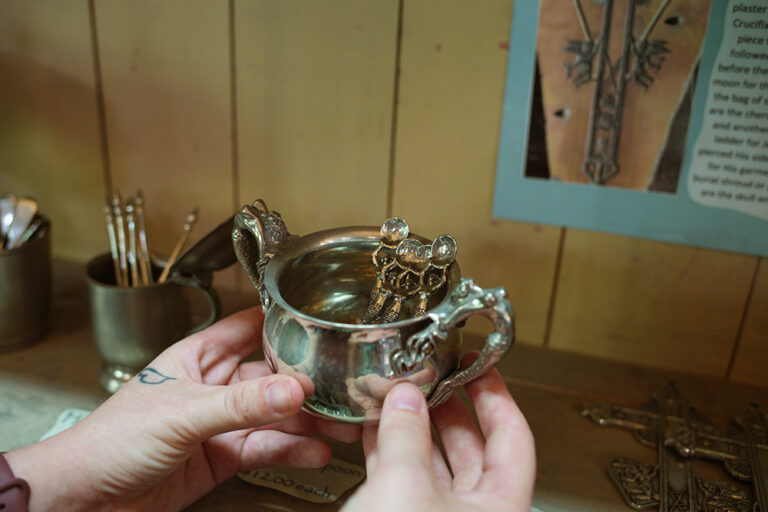
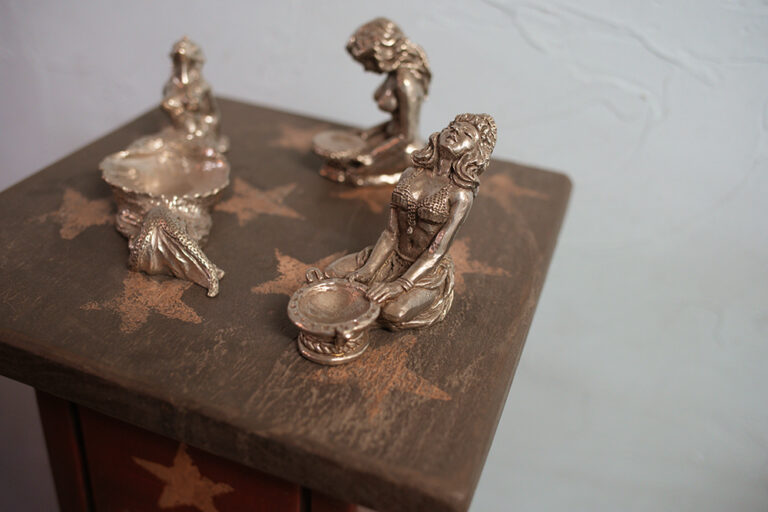
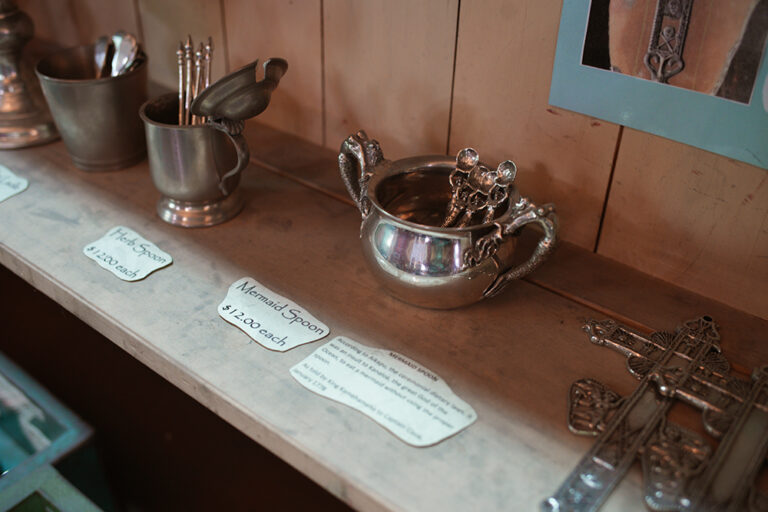
At 183 South 3rd Street in Sainte Geneviève, Tom and Patricia Hooper have spent nearly 40 years creating museum-quality pewter pieces using techniques that colonial craftspeople would recognize—casting molten tin alloy into antique molds, spinning flat pewter discs on an 1873 water-powered lathe (now electrified), and welding handles onto tankards with micro-torch precision. This isn’t a demonstration behind ropes; it’s an active studio where you can watch the Hoopers work, commission custom pieces, learn the chemistry and history of the tin-based alloy that graced America’s founding families’ tables, and leave with functional heirlooms made by hands that understand centuries-old craft traditions. The work has earned White House recognition (Pat and Tom met First Lady Laura Bush during George W. Bush’s administration), appeared in HBO’s John Adams miniseries starring Paul Giamatti, and attracted collectors recognizing that genuinely handcrafted American pewter—100% lead-free, made using antique tools and traditional methods—has become exceptionally rare in an era of mass production and overseas manufacturing. One collector testified: “Holding an ASL Pewter piece connects you directly to colonial craftspeople who used similar techniques 250 years ago—the weight, finish, and subtle imperfections prove human hands shaped the metal, not machines.”
Pewter: Colonial Middle Ground Between Silver and Earthenware
Pewter is primarily tin (85-99%), alloyed with small amounts of copper, antimony, or bismuth for hardness and workability. Historically, pewter sometimes contained lead (toxic), but modern craftspeople like the Hoopers create only lead-free pewter safe for drinking vessels, plates, and decorative items touching food. The alloy melts at relatively low temperatures (around 500°F compared to 1,200°F+ for silver or copper), making it accessible to individual craftspeople without industrial equipment.
The metal polishes to warm, satiny sheen distinct from silver’s bright shine or copper’s reddish glow. It develops gentle patina over time that enhances rather than diminishes beauty. Crucially, it holds fine detail in casting—colonial pewterers created elaborate patterns, decorative borders, and intricate designs that mass production has never successfully replicated.
In colonial America, pewter occupied the middle ground between expensive silver (for wealthy) and cheap earthenware or wooden plates (for poor). Prosperous farmers, successful merchants, skilled tradespeople owned pewter tankards, plates, bowls, and candlesticks demonstrating economic success without silver’s extravagance. Museum colonial displays show pewter pieces representing how most “comfortable” families actually lived—not aristocratic luxury, but solid prosperity.
By late 1800s, cheaper alternatives (tin-plated steel, mass-produced ceramics, aluminum, stainless steel) replaced pewter for utilitarian purposes. Studio pewter survived primarily as decorative craft or historical reproductions. Today, perhaps few dozen American craftspeople work pewter seriously. The Hoopers represent tiny minority mastering full range of techniques—casting, spinning, welding—required to create complete pieces from raw materials rather than just assembling components.
From Fragrance to Foundry: The Hooper Journey
Tom and Patricia Hooper didn’t start as pewterers. They began with fragrance products business creating incense, bath salts, and perfume oils during the 1990s aromatherapy trends. Customers repeatedly requested American-made accessories complementing fragrance products. The Hoopers started working with pewter to create incense burners and potpourri holders, discovering both market demand for quality American craft and personal fascination with metalworking itself.
They began collecting antique pewter molds—crucial tools that colonial pewterers created for specific designs and guarded jealously as proprietary assets. These molds, often made from bronze or brass, represent generations of refinement—designs that worked visually, cast cleanly, and pleased customers enough to justify mold creation. By 2001, the fragrance business became secondary to pewter work. The Hoopers sold the fragrance operation and committed fully to Early American traditional pewter, establishing ASL Pewter as comprehensive studio creating both traditional and contemporary pieces that are 100% lead-free, functional, and completely unique to their design and production.
The nearly 40-year timeline represents sustained commitment mastery requires. You don’t learn pewter techniques in weekend workshops. You learn through years experimenting with alloy compositions, understanding how different tin-copper-antimony ratios affect workability and finished appearance, discovering which molds cast cleanly and which require constant adjustment, developing hand-eye coordination for metal spinning, acquiring judgment to know when pieces meet quality standards versus needing remelting and recasting.
The Renaissance Faire circuit provided crucial market testing and reputation building. Renaissance Faires attract discerning collectors understanding period crafts, recognizing quality work, willingly paying appropriate prices. The Faire community spreads word-of-mouth recommendations rapidly—exceptional craftspeople become known while mediocre producers struggle. The Hoopers’ success validated their work and built customer base supporting transition to full-time production.
White House Recognition and Hollywood Authenticity
The quality and historical accuracy of ASL Pewter’s work earned White House recognition—the Hoopers receiving invitation during George W. Bush’s administration, representing premier American craftspeople worthy of presidential acknowledgment. The photograph of Tom and Pat with First Lady Laura Bush represents more than personal pride—external validation that their work meets highest standards of American craft tradition, that effort invested in mastering colonial techniques produced results national cultural arbiters recognize as significant.
HBO’s John Adams miniseries (2008, starring Paul Giamatti) represented different validation—filmmakers and production designers whose reputations depend on historical accuracy chose ASL Pewter pieces for on-screen use. Historical dramas face constant scrutiny from history enthusiasts and eagle-eyed viewers spotting anachronisms. The pewter drinking vessels, candlesticks, and tableware visible in the miniseries needed withstanding high-definition camera scrutiny and passing inspection by consultants ensuring period accuracy. That production designers turned to ASL Pewter demonstrates the Hoopers’ pieces are visually indistinguishable from actual 18th-century pewter while meeting modern safety standards (lead-free) and production requirements (durable for filming, replaceable if damaged, available in sufficient quantities).
Three Techniques: Casting, Spinning, Welding
ASL Pewter employs three primary metalworking techniques, each with colonial roots and specific applications:
Casting – The oldest and most fundamental. Melting pewter to liquid state (around 500°F), pouring molten metal into prepared molds, allowing metal to cool and solidify, opening molds and extracting castings, finishing cast pieces (removing rough edges, polishing). The Hoopers use antique molds collected over decades—each representing specific design developed by colonial craftspeople and refined through use. When you buy cast pieces from ASL Pewter, you’re often holding designs 200+ years old, produced using molds that may have served colonial pewterers.
Metal Spinning – The Hoopers take measured, flat pewter discs and shape them over wooden forms on metal spinning lathe. The lathe itself is historically significant—first put into service in 1873, originally water-powered and belt-driven, ASL Pewter was first to electrify it, maintaining the tool while adapting to modern power sources. The Hoopers cut their own wooden forms (called chucks) to desired shapes—drinking vessels, bowls, trays, serving pieces—then hold spinning tools against rotating pewter discs, gradually forming flat metal over wooden chucks through pressure and heat friction. Metal spinning creates seamless hollow forms impossible through casting alone, requiring remarkable hand-eye coordination.
Welding – Joining separate pieces using pewter wire of exactly the same alloy, heated with micro-torch. This is how stems attach to goblet bowls, handles join tankard bodies, decorative elements embellish finished pieces. Pewter welding requires delicate temperature control—hot enough to melt wire and create strong joints without distorting underlying pewter or melting through. The micro-torch allows precision work impossible with larger torches or soldering irons.
These three techniques combine creating complete pieces. A tankard might have cast body, spun lid, and welded handle. A goblet might feature spun bowl, cast stem, and cast foot welded together. A decorative plate might combine cast center medallion with spun rim and welded decorative elements. The integration demonstrates comprehensive mastery rather than single-skill competency.
The Working Studio: Daily Demonstrations
ASL Pewter isn’t retail shop with items made off-site—it’s active working studio where you watch Tom and Pat create pieces. Daily demonstrations (9:30 AM-5:30 PM daily) let visitors observe pewter being melted in crucibles, molten metal poured into molds, finished castings extracted and cleaned, flat discs spun into hollow vessels on the 1873 lathe, handles welded onto tankard bodies, pieces polished to final finish.
This transparency serves multiple functions: it proves work is genuinely handcrafted rather than mass-produced, it educates visitors about metalworking processes most have never witnessed, it allows customization understanding—watching techniques helps customers understand what’s possible commissioning custom pieces, and it creates memorable experience shopping in conventional stores cannot match. You’re not just buying pewter; you’re taking home object you watched being made by craftspeople who explained the process while demonstrating.
Custom Commissions: Bringing Your Ideas to Life
ASL Pewter accepts custom commissions, allowing customers to bring specific ideas to life through collaboration with the Hoopers. Custom possibilities include corporate or organizational logos cast into pieces, family crests or heraldic designs, personalized engravings, unique size or proportion modifications to standard designs, entirely original pieces designed specifically for customer needs. The custom work capability distinguishes ASL from mass producers offering only pre-designed catalog items. Want a tankard commemorating specific event? A candlestick set matching your historic home’s period? A presentation piece incorporating organizational symbols? The Hoopers can likely create it, working directly with you refining designs, selecting appropriate techniques, delivering pieces meeting your exact specifications while maintaining quality standards earning White House recognition.
The Savannah Cats: Unexpected Studio Companions
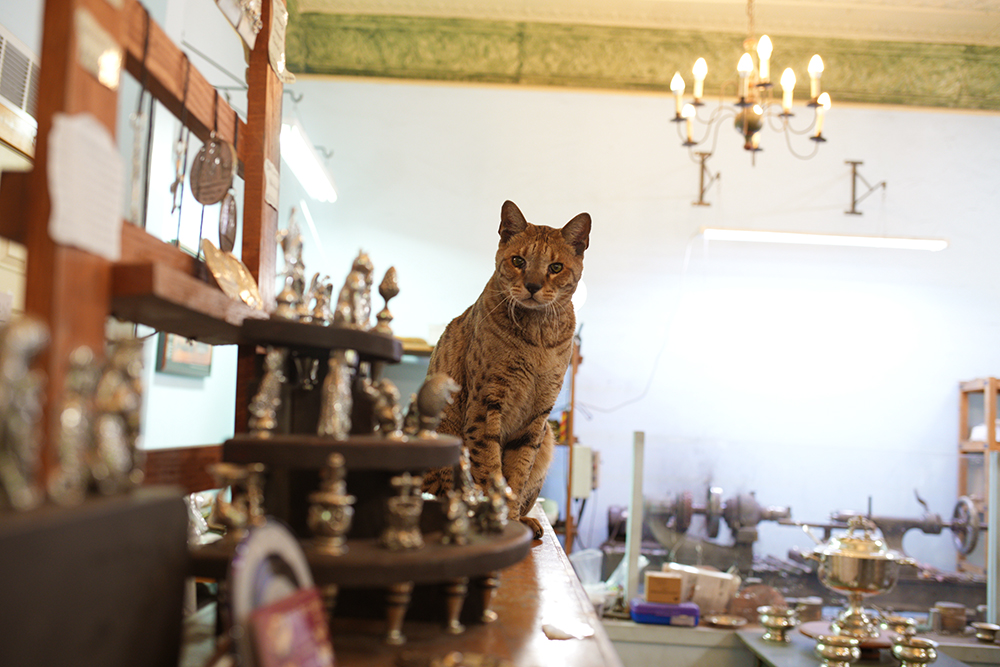
No description of ASL Pewter is complete without mentioning the two friendly Savannah cats roaming the showroom. These elegant felines (Savannahs are domestic cats bred with serval ancestry, creating large, spotted, dog-like cats) add charm to visits and happily accept gentle pets from admirers. The cats serve as unofficial greeting committee, creating immediate warm atmosphere contrasting with sterile retail environments. They also demonstrate the Hoopers’ personality—people allowing cats free run of pewter studio are clearly comfortable, confident in their work’s durability, and prioritizing hospitable experience over rigid commercial formality.
Practical Information
- Name: ASL Pewter Foundry
- Location: 183 South 3rd Street, Ste. Genevieve, Missouri 63670
- Phone: (573) 883-2095
- Hours: Daily 9:30 AM-5:00 PM
- Business Type: Working pewter studio and gallery
- Owners: Tom and Patricia Hooper
- Years in Operation: Nearly 40 years (fragrance business 1980s-2001, full-time pewter since 2001)
- Techniques: Casting, metal spinning (1873 lathe), welding
- Materials: 100% lead-free pewter (tin, copper, antimony, bismuth alloys)
- Molds: Antique colonial-era molds collected over decades
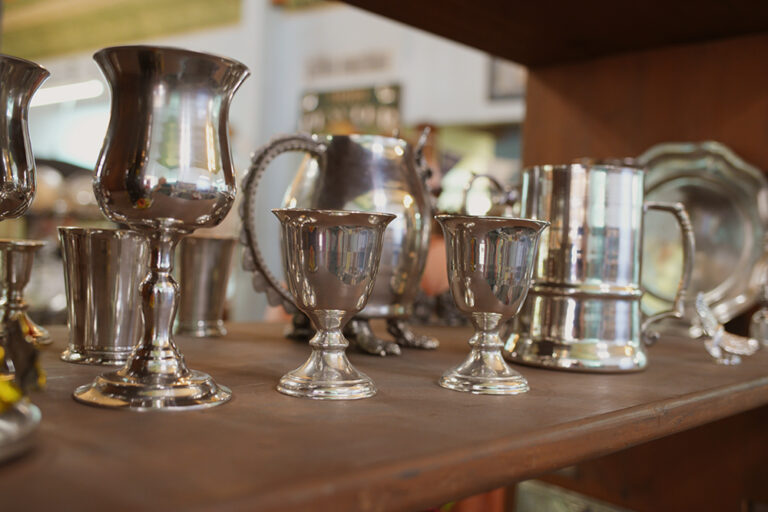
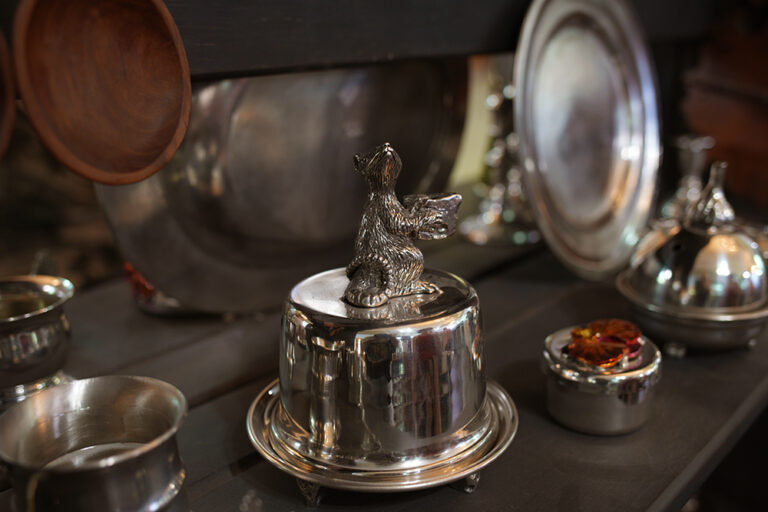
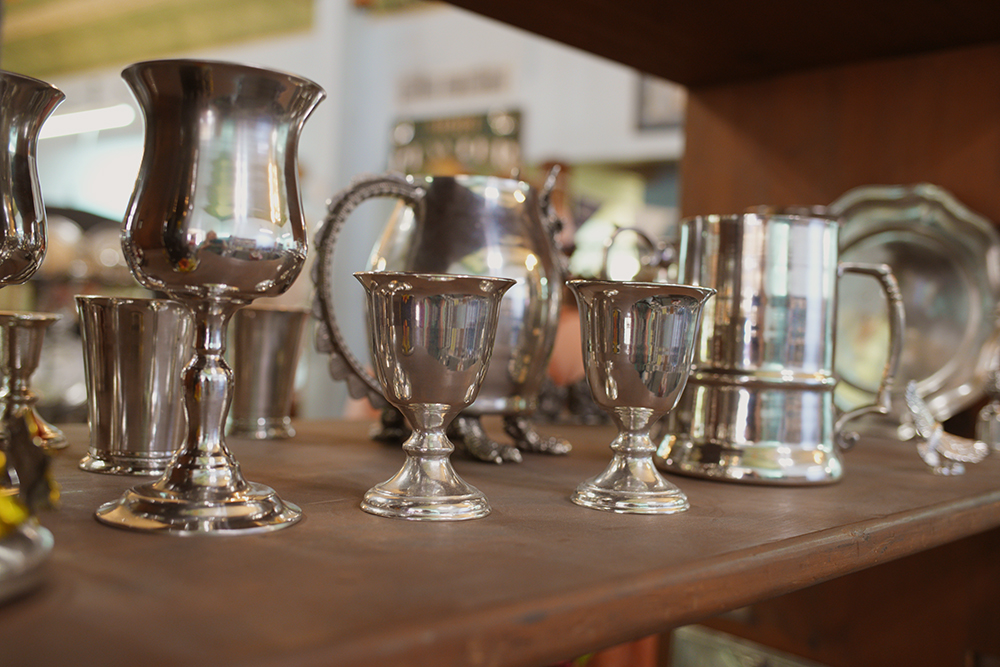
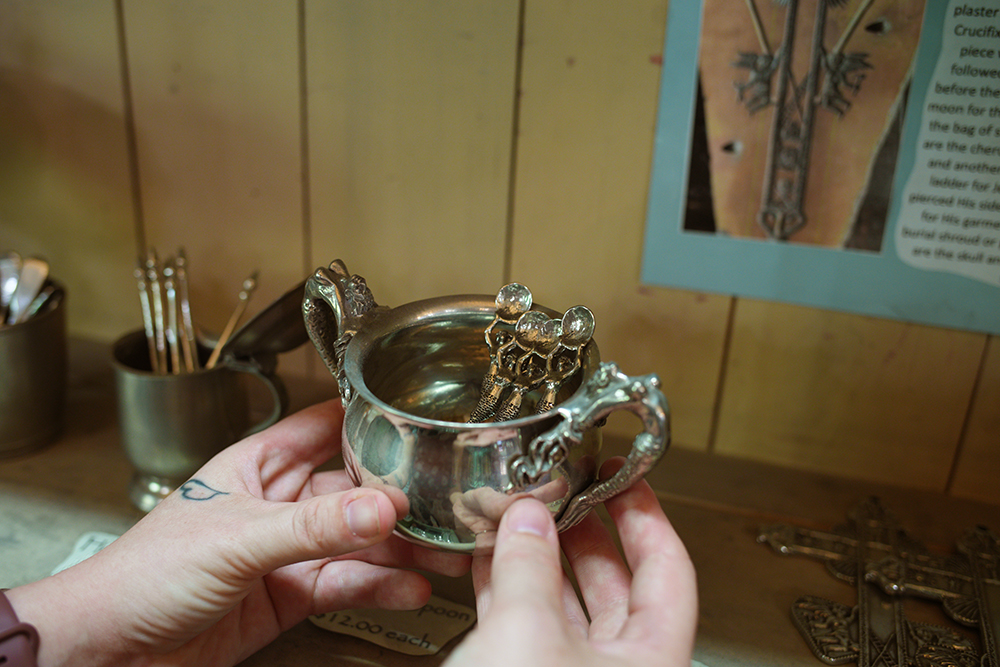
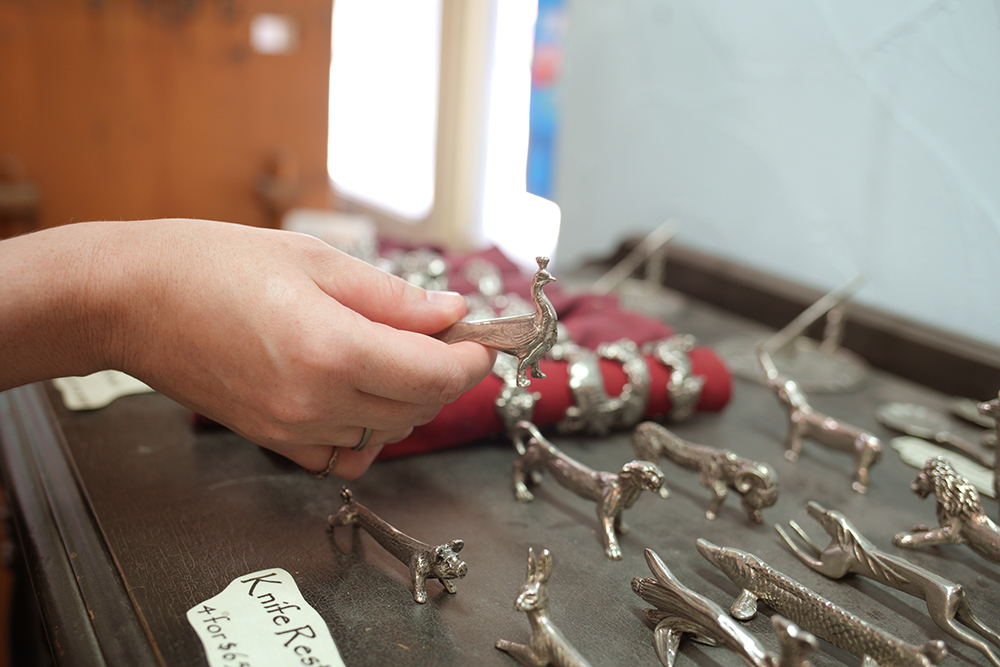
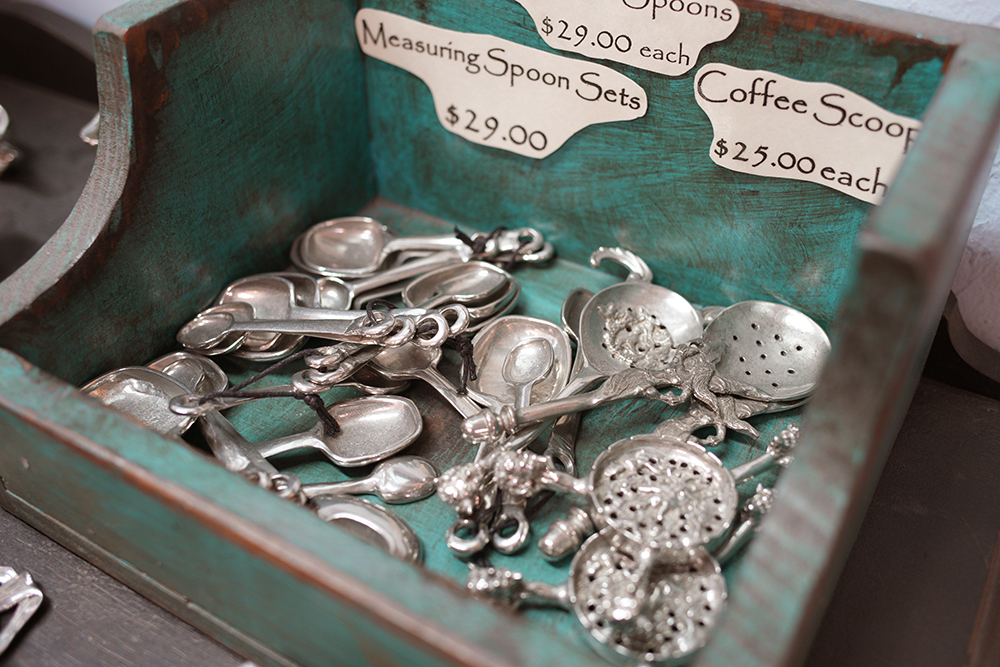
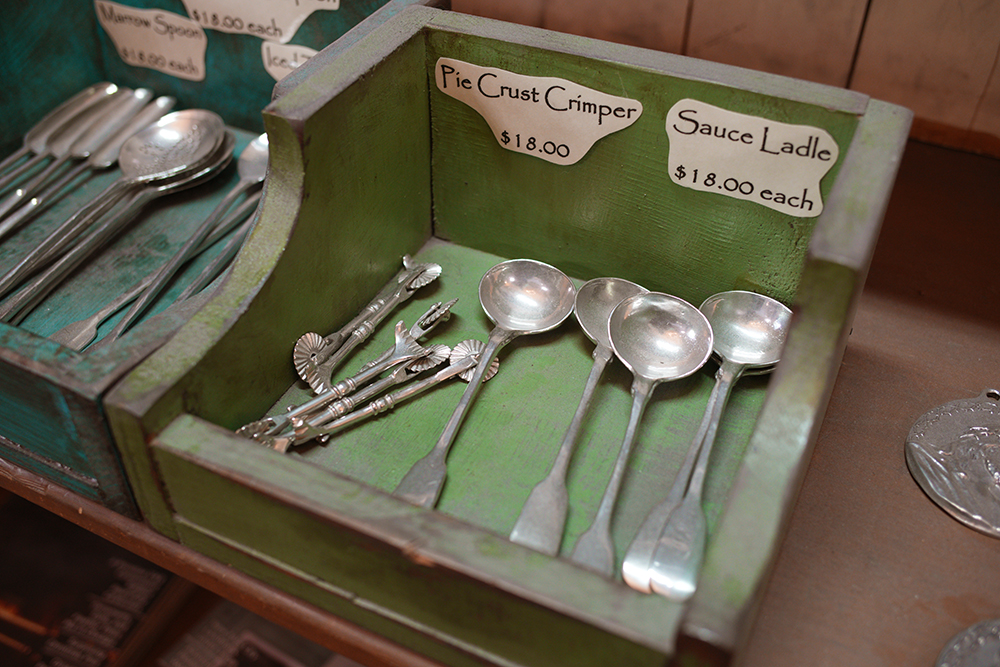
- Products: Tankards, plates, chargers, bowls, serving pieces, candlesticks, goblets, chalices, custom commissions
- Design Range: Traditional historical reproductions and contemporary interpretations
- Custom Work: Available; accepts commissions with customer collaboration
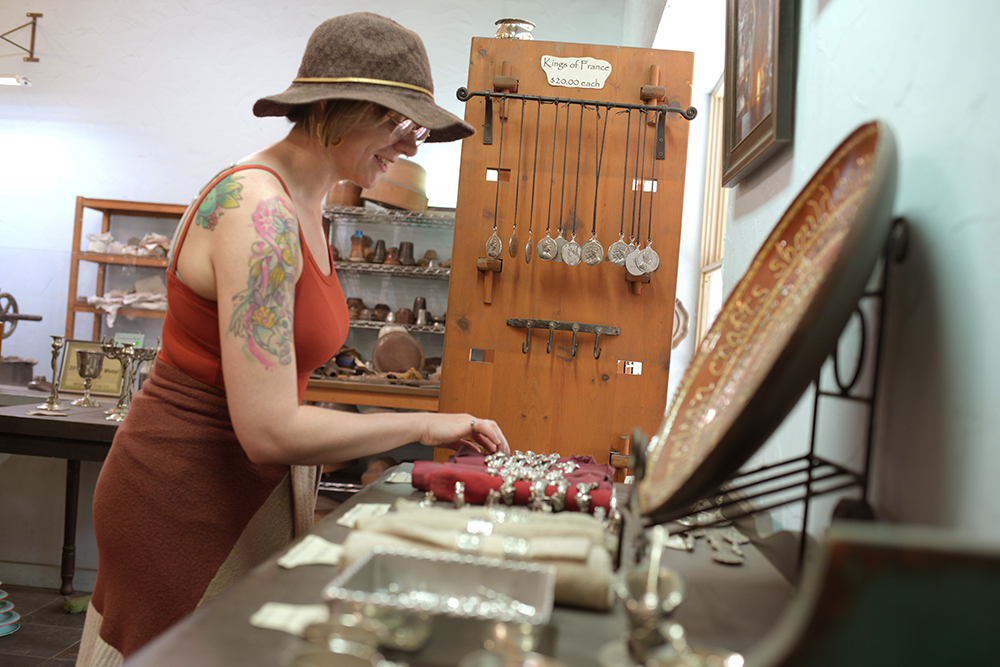
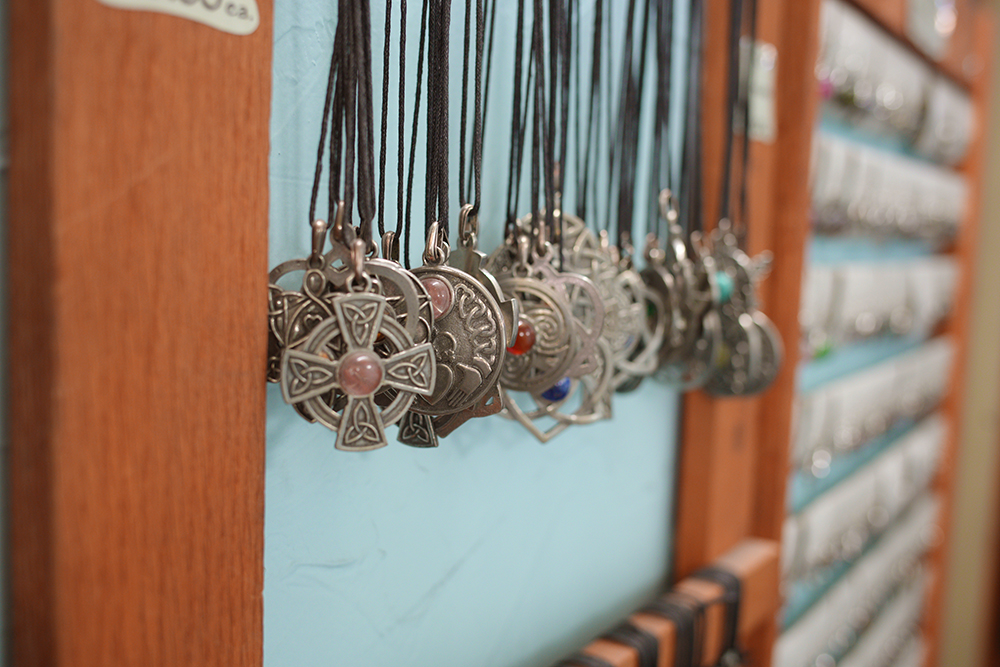
- Complementary Inventory: Pottery, jewelry, treenware, textiles by other American artists
- Daily Activities: Live demonstrations of pewter-making techniques
- Recognition: White House (met First Lady Laura Bush); HBO’s John Adams miniseries
- Studio Companions: Two friendly Savannah cats
- Walking Distance: Downtown shops, galleries, restaurants, historic sites
Perfect For:
- History enthusiasts seeking authentic reproductions using colonial techniques
- Collectors of fine metalwork and American craft
- Gift shoppers wanting unique, meaningful items with historical significance
- Historic homeowners furnishing period-appropriate interiors
- Reenactors needing accurate period pieces
- Anyone appreciating handcrafted work and traditional techniques
- Those wanting to witness metalworking demonstrations
- Customers seeking custom commissioned pieces
- People valuing direct artisan relationships and personalized service
- Visitors understanding that pewter connects them to colonial craftsmanship
ASL Pewter Foundry represents something essential in Sainte Geneviève, a town where history comes alive rather than being merely preserved. The Hoopers aren’t recreating history—they’re continuing it, using antique molds and an 1873 lathe to create pieces honoring historical designs while meeting contemporary safety and quality standards.
The nearly 40-year commitment—from fragrance business inception through full-time pewter dedication—demonstrates the sustained effort mastery requires. Colonial pewterers spent lifetimes refining their craft; the Hoopers have devoted equal dedication understanding alloy composition, mold behavior, metal spinning technique, and welding precision. The White House recognition and HBO appearance validate that their work meets highest standards.
When you hold ASL Pewter, you’re touching an object made using techniques passed down through generations, connecting directly to colonial craftspeople who once practiced their trade in towns like Sainte Geneviève. The weight, finish, and subtle imperfections that prove human hands rather than machines shaped the metal communicate authenticity that mass production cannot fake.
Visit ASL Pewter Foundry at 183 South 3rd Street. Watch Tom and Pat work. Ask questions. Pet the Savannah cats. Commission a custom piece or select from completed inventory. Leave with a functional heirloom made by American craftspeople who’ve dedicated 40 years to keeping an ancient tradition alive in Missouri’s oldest town, where history isn’t just remembered but actively practiced by skilled hands doing work that matters.





Sorry, no records were found. Please adjust your search criteria and try again.
Sorry, unable to load the Maps API.