

The Felix Vallé House
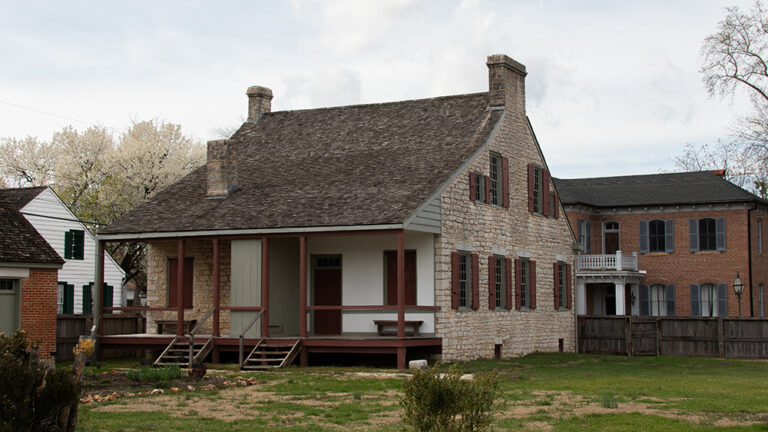
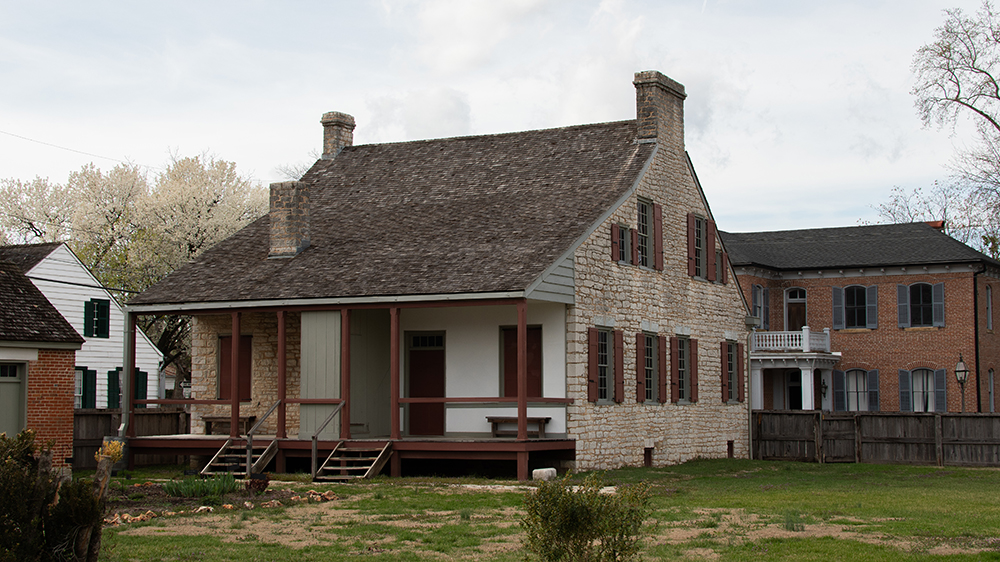
Within Federal-style architecture rising from Ste. Genevieve’s heart, the Felix Vallé House speaks across a pivotal moment—that delicate pivot when French colonial memory met American governance, when old-world traditions began their careful dance with emerging republic sophistication. Built in 1818 by Felix Vallé and his wife Odile Pratte Vallé, both descendants of Ste. Genevieve’s most prominent colonial families, this elegant home represents something rarer than nostalgia: genuine cultural negotiation. Walking through these rooms is witnessing how prosperity endures not through resistance to change but through the art of selective adaptation—maintaining what matters most while embracing the opportunities that new authority brings.
Departure and Belonging: Federal Style with French Memory
The house announces a departure from Ste. Genevieve’s earlier vertical log architecture, embracing instead the American-Federal style sweeping through the young United States—refined proportions, symmetrical design, architectural sophistication announcing the Vallé family’s status and their calculated navigation of transformation. Yet this wasn’t abandonment of French identity but rather translation. Throughout these rooms, French families maintained their cultural heritage while simultaneously claiming the styles, goods, and possibilities that American governance offered. Here, tradition and change negotiate without either surrendering entirely—a balance most families couldn’t achieve, but which the Vallés, through merchant acumen and strategic family alliances, managed with visible grace.
Living in the 1830s: Objects That Tell Transition
Meticulously furnished in the style of the 1830s, the Felix Vallé House reveals how prosperous families actually lived during early American statehood. Empire furnishings—characterized by clean lines, classical motifs, and rich dark woods—grace the living quarters, speaking a language of elegance understood across both Europe and America. Fine china, silverware, textiles, and household goods whisper changed patterns: items once arriving up the Mississippi from New Orleans now came from Philadelphia and New York. French traditions persisted in some corners of domestic life while American habits and fashions took root elsewhere—a household itself becoming miniature geography of cultural collision and compromise.
The home’s original mantels and interior trim, fully restored, preserve the craftsmanship of the Federal period. These architectural details—moldings, fireplace surrounds, door and window frames—speak to the quality invested in creating a home worthy of one of the town’s leading families, a home declaring through every surface that prosperity endured through adaptation.
The Back Staircase: Practical Beauty
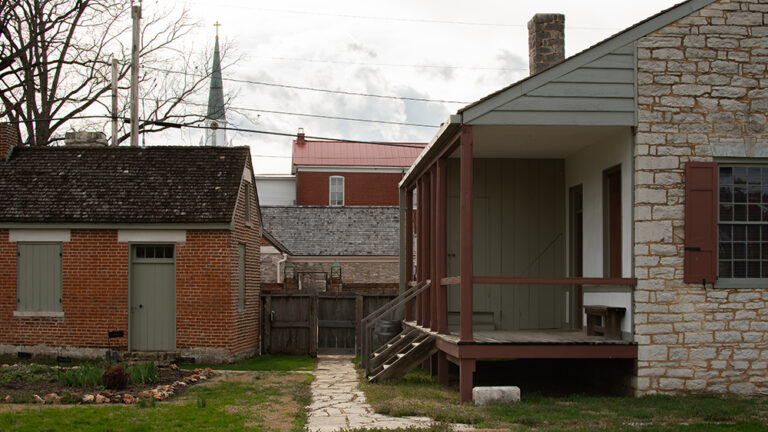
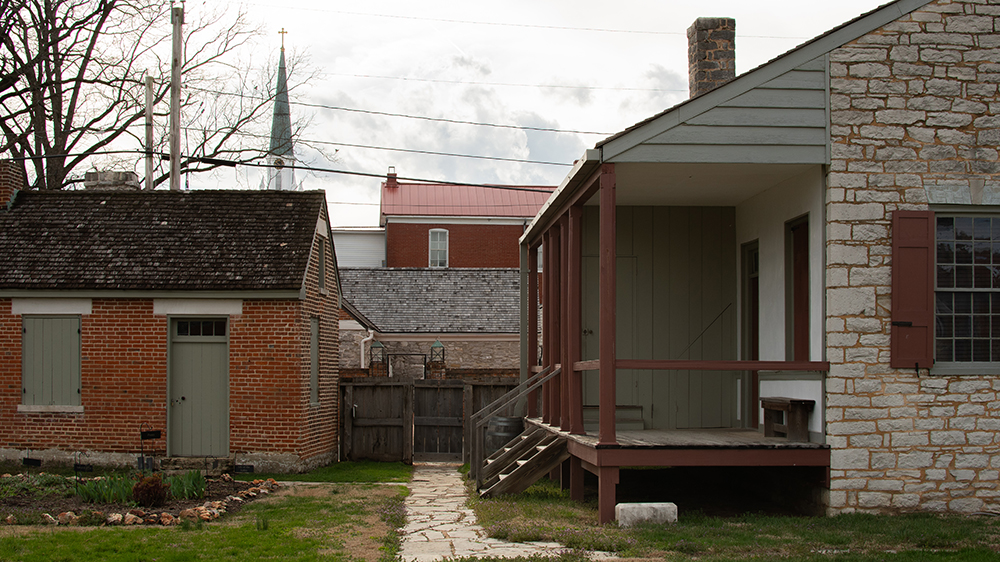
An outside staircase climbs the back porch—that charming solution common to this period, providing practical access to second-floor bedrooms while maintaining the formal separation between public and private spaces. Climb these stairs to explore fully furnished bedrooms where family life unfolded away from the more formal spaces below, where children were raised navigating two cultural worlds simultaneously, where intimate decisions about identity got made night after night beneath these Federal-period ceilings.
The Household Economy: Outbuildings Speak Louder
Beyond the elegant main house, the garden and original brick and frame outbuildings reveal the self-sufficient household economy supporting such prosperity. Kitchens, storage spaces, workshops, slave quarters—these structures remind us that homes like this depended upon multiple hands, various kinds of labor, complex human arrangements existing beyond the sight lines of formal parlors. Standing among outbuildings, you confront what drawing rooms often obscure: that elegance required infrastructure, that comfort depended upon labor, that cultural negotiation had different meanings depending upon which buildings you inhabited.
Guided Tours: History With Passionate Company
Your guide meets you at the gift shop across the street, where knowledgeable interpreters eager for conversation shepherd you through these rooms. Tours offered throughout the day—10 AM, 11 AM, 1 PM, 2 PM, 3 PM—accommodate different rhythms and competing Ste. Genevieve explorations. These aren’t rushed walk-throughs but rather conversations with people passionate about what these rooms contain, ready to answer questions, point out significant details, help you understand not just what you’re seeing but why it matters.
Creve Coeur Chickens: Living French Heritage
In the backyard, rare French-breed Creve Coeur chickens grace the property—beautiful birds with distinctive V-shaped combs and striking black plumage, developed right here in Missouri and named for the town of Creve Coeur near St. Louis. These hens embody the same French heritage the house itself represents, feathered ambassadors reminding visitors that when the Vallé family lived here, chickens would have been commonplace in backyards throughout Ste. Genevieve, providing eggs and meat and connection to the self-sufficient household economy of the era. They’re friendly, always willing to greet visitors, adding living element to your historic house tour.
Practical Information
- Name: Felix Vallé House State Historic Site
- Location: Historic District, Ste. Genevieve, Missouri
- Built: 1818
- Owners: Felix Vallé and Odile Pratte Vallé
- Architecture: American-Federal style, refined proportions, symmetrical design
- Furnishings: 1830s style, Empire period, original mantels and interior trim
- Hours (April-October): Wednesday-Sunday
- Hours (November-March): Thursday-Sunday
- Tour Times: 10:00 AM, 11:00 AM, 1:00 PM, 2:00 PM, 3:00 PM
- Meet Guide At: Gift shop across street from house
- Admission: Included with guided tour
- Special Features: Outside back staircase, garden, outbuildings, Creve Coeur chickens
- Special Programs: Saturday activities throughout year (crafts, discussions, themed tours)
- Operator: Missouri State Parks
Perfect For:
- Architecture students understanding Federal-style design
- Those exploring cultural transition and adaptation
- Genealogy enthusiasts tracing French colonial families
- History scholars studying Louisiana Purchase aftermath
- Families wanting guided interpretation with knowledgeable interpreters
- Anyone understanding that prosperity required calculated navigation
- Those curious about how elegance coexists with labor
- Visitors combining multiple historic properties for comprehensive perspective
Why This House Endures
The Felix Vallé House refuses simple narratives about conquest or loss. Instead, it demonstrates how real people navigated real transformation—how French colonial families maintained cultural identity while adapting to American governance, how prosperity required understanding both old-world traditions and new-world opportunities, how elegance could emerge from the negotiation between what you inherited and what you chose to become.
Felix and Odile Vallé didn’t resist American rule through isolation; they mastered it through selective embrace, maintaining French memory while speaking American prosperity’s language. Their house—refined, symmetrical, furnished with careful attention—represents not abandonment but translation, not surrender but strategy.
Visit the Felix Vallé House on your own timeline. Meet your guide at the gift shop. Walk through rooms where Federal elegance and French memory coexist. Climb the back staircase. Stand among outbuildings understanding household complexity. Greet the Creve Coeur chickens. Leave understanding that American identity emerged not through displacing established communities but through their patient, careful, sometimes uneasy incorporation into something larger than any single cultural tradition could contain.
Sorry, no records were found. Please adjust your search criteria and try again.
Sorry, unable to load the Maps API.