



Green Tree Tavern
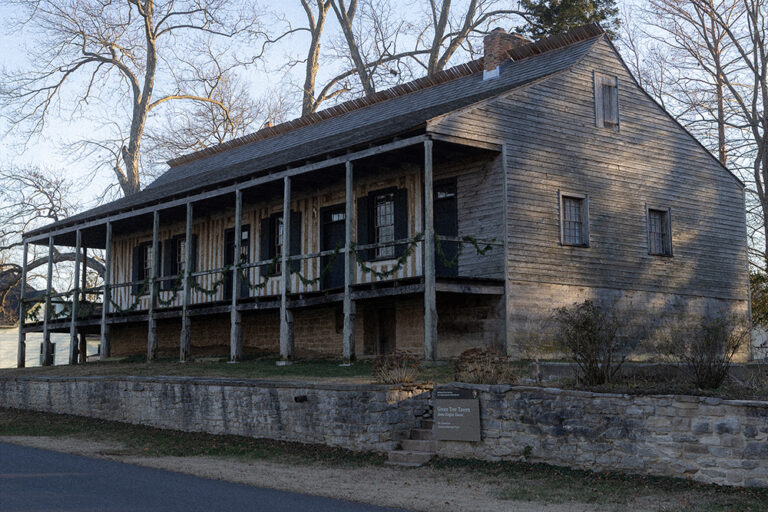
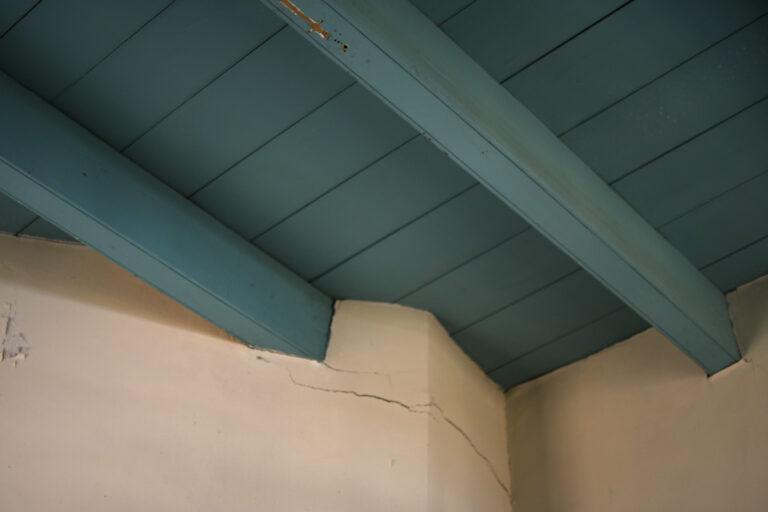
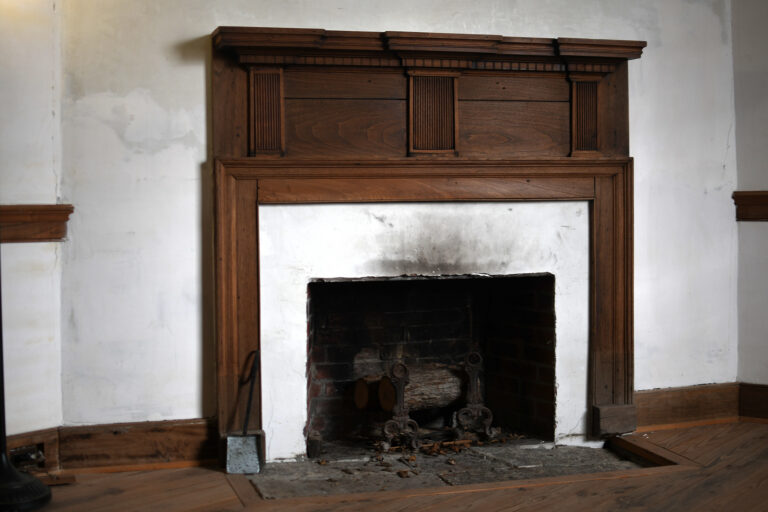
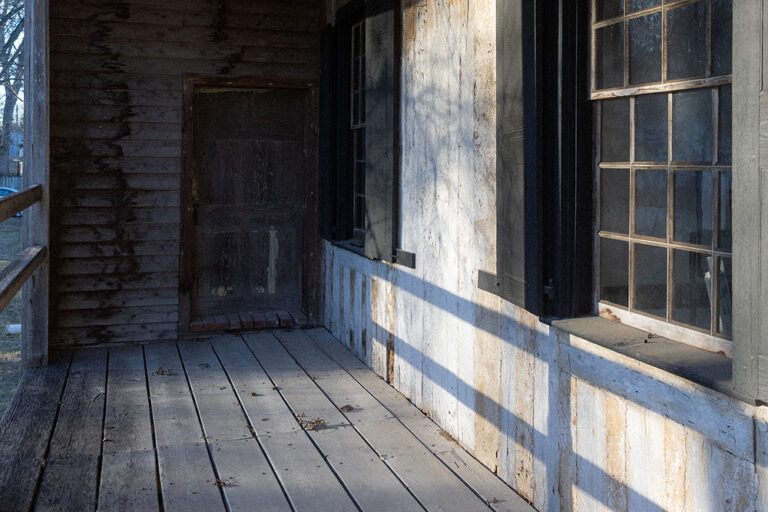
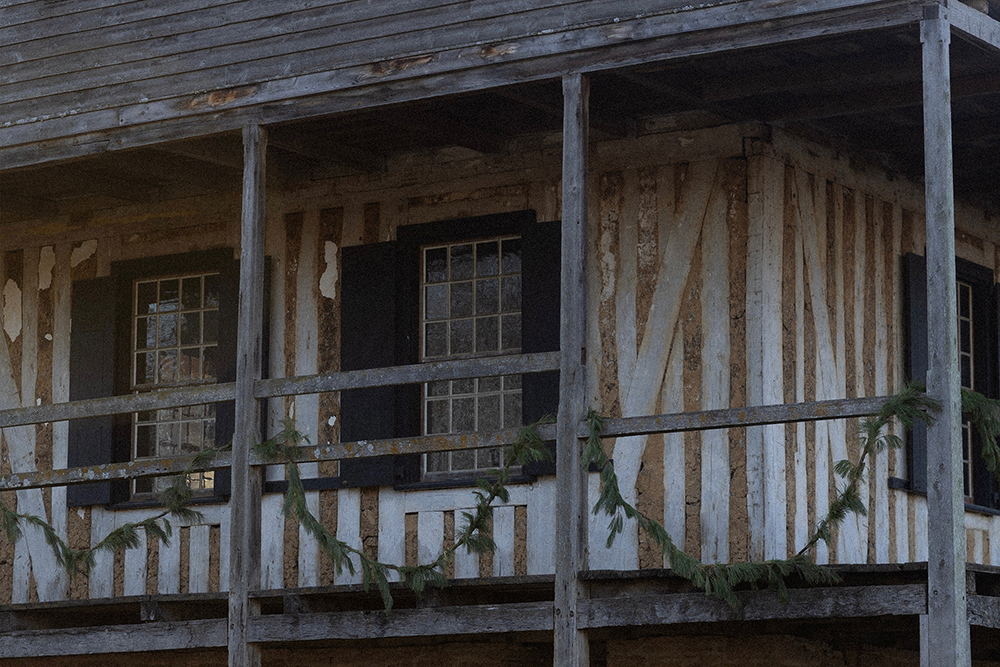
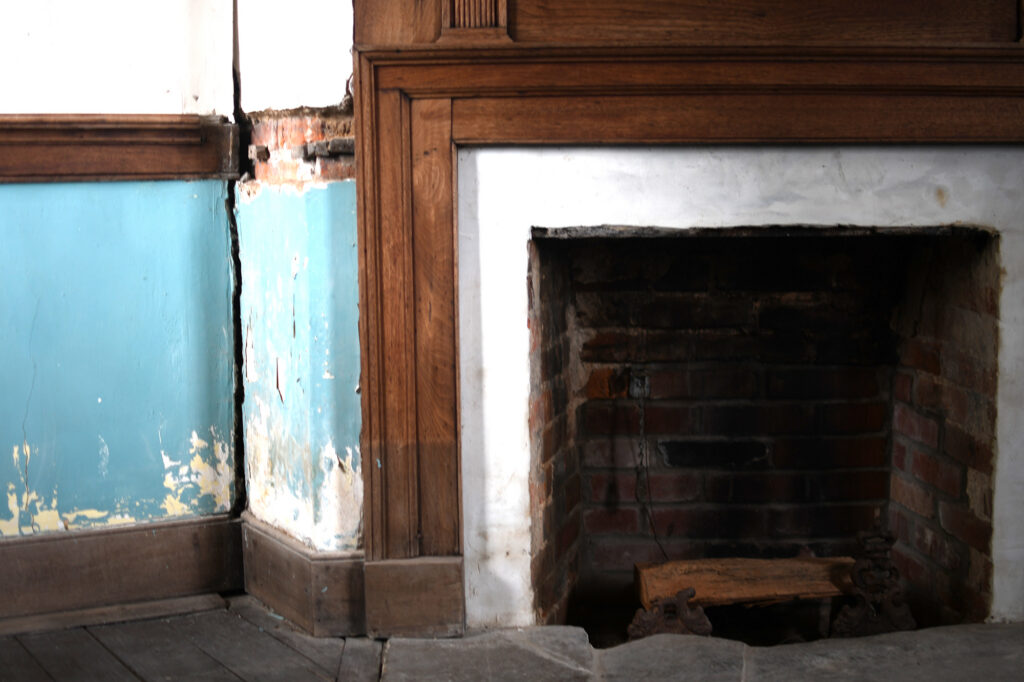
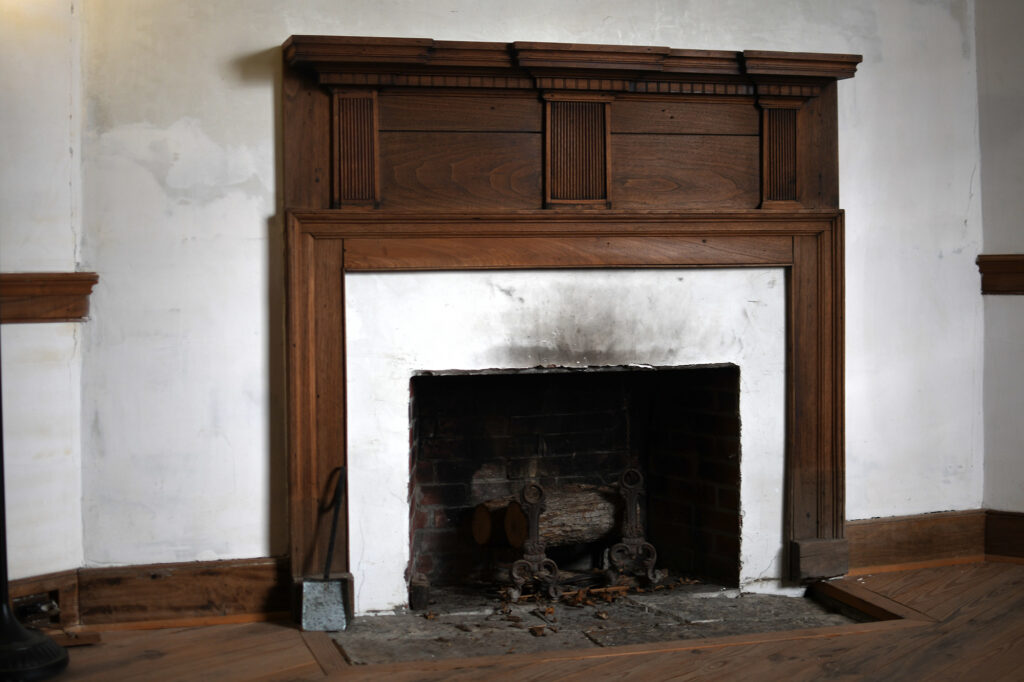
Standing across from the famed locus of Jour de Fête in downtown Sainte Geneviève, the Green Tree Tavern is Missouri’s oldest verified building—scientifically dated to 1790 through dendrochronology—and far more than historic architecture. This French colonial structure represents a living chronicle of American frontier life, cultural convergence, and the diverse, often uncomfortable truths that shaped westward expansion. Built by Nicolas Janis, a French Canadian immigrant from Kaskaskia, Illinois, using vertical log construction (poteau sur sole), the building has served as family home, gathering place, inn, tobacco shop, and meeting hall for the first Masonic Lodge west of the Mississippi River. Now part of Ste. Genevieve National Historical Park, Green Tree Tavern offers visitors a tangible connection to the complex, layered history of America’s heartland. Free guided tours are available through the Welcome Center, where rangers share stories of the people who lived and worked within these walls—including those who were enslaved and whose resilience and determination deserve equal prominence in the building’s history.
1790: The Oldest Standing Building in Missouri
The scientific dating matters. Using dendrochronology—analyzing tree rings to establish precise construction dates—researchers confirmed Green Tree Tavern’s 1790 construction with certainty other historic buildings can rarely achieve. This means Green Tree Tavern predates most other Missouri structures by decades, making it genuinely foundational to the state’s built heritage.
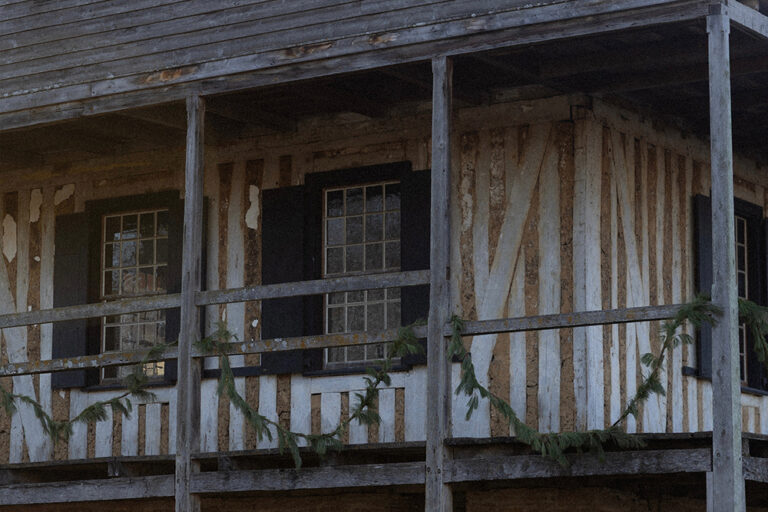
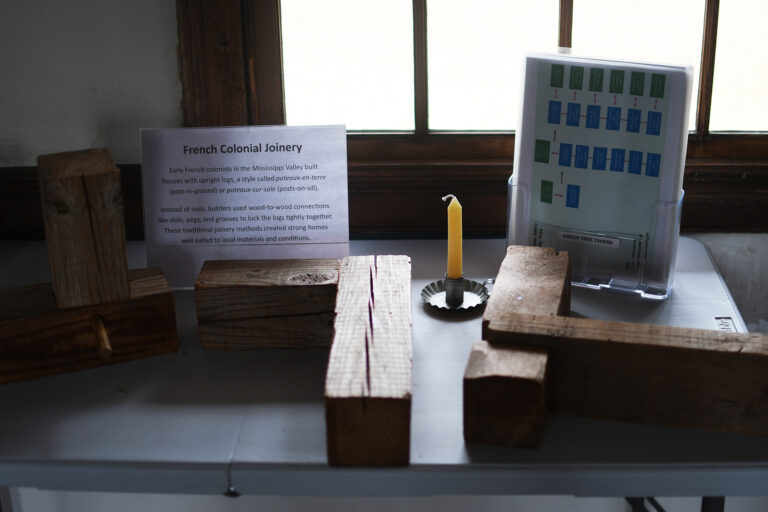
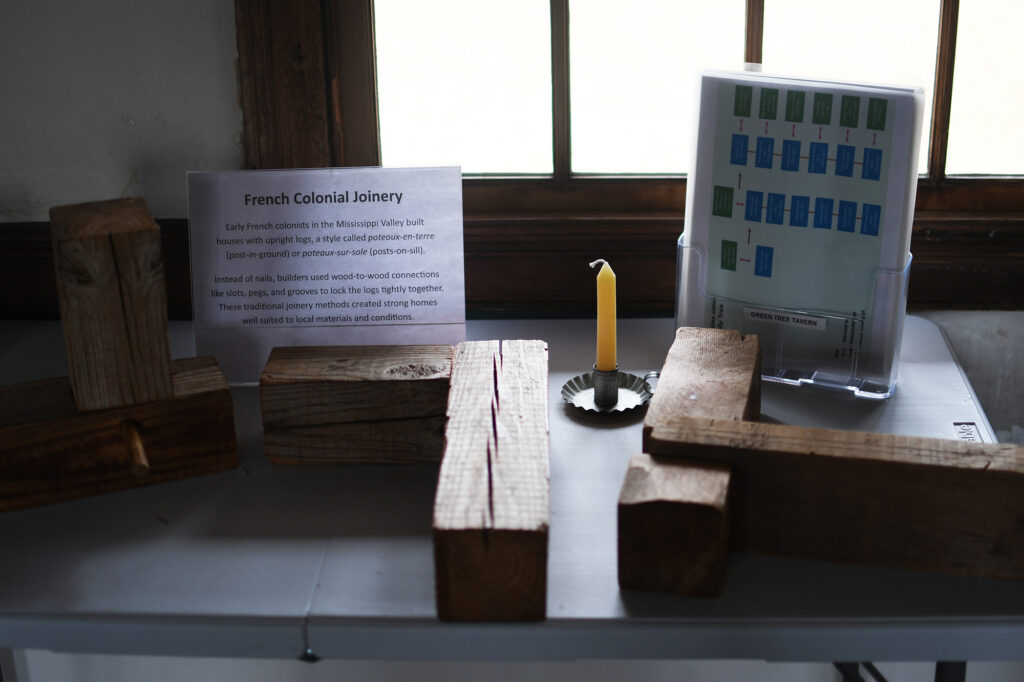
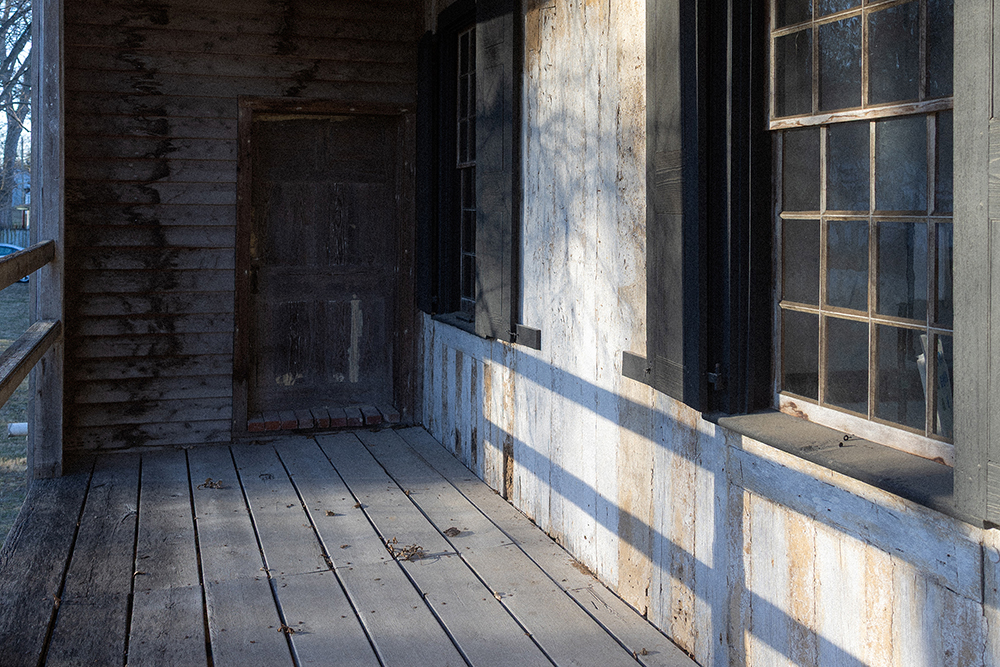
The vertical log construction (poteau sur sole, literally “post on sill”) represents French colonial building technique common in early Mississippi River settlements. Unlike the horizontal log construction familiar to English settlers, vertical post construction used upright logs set into stone or wooden sills, creating walls with distinctive visual character. The French brought this technique from their colonial territories, and it appears in only a handful of surviving structures along the Mississippi River corridor. Green Tree Tavern’s example provides rare window into how French settlers actually built in Missouri rather than how later American settlers imagined they built.
Multiple Lives: Tavern, Inn, Home, Lodge
The building’s diverse uses across its history reveal how frontier structures adapted to community needs. Nicolas Janis established family home and gathering place—early taverns functioned more as community centers than alcohol-focused establishments. The tavern served travelers and merchants needing lodging and meals. The tobacco shop reflected commercial diversification. The first Masonic Lodge west of the Mississippi River met there, connecting frontier community to larger fraternal and civic networks.
This multiplicity means Green Tree Tavern experienced constant evolution. It wasn’t purpose-built for single function but rather repurposed and adapted as community needs shifted. That flexibility kept it economically viable and socially relevant across changing times.
Uncomfortable Truths: Slavery and Resilience
The complete history includes what Nicolas Janis’s family enslaved: fifteen people whose forced labor built and sustained the household and business operations. This uncomfortable foundation deserves equal prominence in Green Tree Tavern’s narrative. Ste. Genevieve’s prosperity—and Missouri’s early settlement—depended fundamentally on enslaved African Americans whose experiences were integral to the region’s development.
Among those enslaved at Green Tree Tavern was a woman named Clarisse and her children. After being willed through multiple generations of the Janis family as property, Clarisse finally received her freedom license in 1836. She then purchased her own home just down St. Marys Road—a house that still stands today as the Bequette-Ribault House and remained in her family for approximately 140 years.
This juxtaposition creates powerful historical narrative: the enslaver’s building and the freedom purchaser’s home stand in proximity, telling parallel stories where one family’s forced labor enabled another family’s eventual autonomy and ownership. That’s the real history Green Tree Tavern illuminates—not just colonial settlement, but the complex interactions and profound inequities underlying American expansion.
National Park Interpretation: Open for Guided and Self-Guided Tours
The National Park Service operates Green Tree Tavern as anchor historic site, offering free guided tours through the Welcome Center (limited to 15 people per tour, first-come, first-served basis). Rangers interpret both the building’s architectural significance and the complete human history unfolding within its walls. The guided approach ensures visitors understand context rather than simply viewing old structure. Tours fill quickly during peak seasons, so arriving at the Welcome Center early increases availability and allows rangers to situate the visit within broader Ste. Genevieve historical landscape.
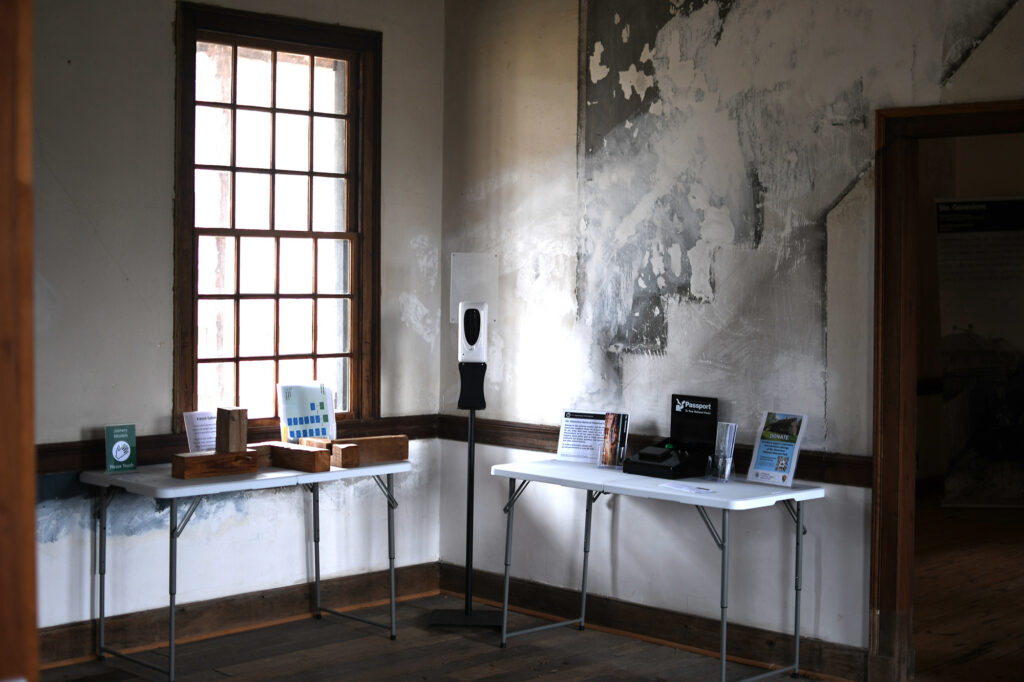
For the lone-wolf persona taking a visit and not wanting to stick to hard schedules or shuffle along at someone else’s pace, NPS opens this historic site from 9:00 a.m. – 5:00 p.m. each day for people to explore on their own. It’s bare bones at the moment, but the National Park will be working hard over the years to increase the inner appeal of all their properties, and we’re excited that access to these beauties is opening up like never before.
Practical Information
- Name: Green Tree Tavern (National Park Service Site)
- Location: Ste. Genevieve, Missouri (accessible through Welcome Center at 66 South Main Street)
- Historical Date: 1790 (scientifically verified through dendrochronology)
- Construction Type: French colonial vertical log (poteau sur sole)
- Builder: Nicolas Janis, French Canadian immigrant
- Historic Uses: Family home, tavern/gathering place, inn, tobacco shop, first Masonic Lodge west of Mississippi River
- Current Status: Ste. Genevieve National Historical Park property
- Tour Access: Free guided tours through Welcome Center (15-person limit, first-come, first-served)
- Significance: Missouri’s oldest verified standing building; anchor National Park site
- Related Site: Bequette-Ribault House (home purchased by Clarisse after gaining freedom, 1836)
- Walking Distance: Downtown Ste. Genevieve shops, galleries, restaurants, historic sites
Perfect For:
- History enthusiasts understanding French colonial settlement
- Visitors interested in architecture and construction techniques
- Those seeking complete historical narrative including enslaved peoples’ stories
- National Park visitors collecting comprehensive site experiences
- Architecture students studying vertical log construction
- Anyone exploring Ste. Genevieve’s layered, complex history
- Families seeking age-appropriate historical education
- Researchers studying early Missouri settlement patterns
Green Tree Tavern matters because it doesn’t simplify history into comfortable narrative. It’s genuinely old, genuinely fascinating architecturally, and genuinely complicated morally. The vertical log construction represents French colonial building techniques few Americans ever encounter. The multiple uses reveal how frontier buildings adapted to community needs. The enslaved people’s stories—Clarisse’s forced labor and eventual freedom and ownership—demonstrate resilience while refusing to minimize injustice.
The proximity between Green Tree Tavern and the Bequette-Ribault House creates educational opportunity most historic sites miss. You can literally walk from the enslaver’s building to the freedom purchaser’s home, understanding through geography what documents and text alone cannot convey: the intimate proximity of oppression and resistance, of forced labor and hard-won autonomy.
Visit Green Tree Tavern through National Park guided tours. Listen as rangers explain the architecture, the building’s purposes, and the people who lived there—both those who enslaved and those who were enslaved. See how Clarisse’s determination led to freedom and ownership. Understand why complete historical narrative matters more than sanitized versions. That’s what Green Tree Tavern offers: genuine encounter with complicated American history in the oldest verified building Missouri possesses.


Sorry, no records were found. Please adjust your search criteria and try again.
Sorry, unable to load the Maps API.