

Ste. Genevieve Levee Wildlife Refuge – Where Mississippi River Bottomlands Meet Audubon’s Legacy
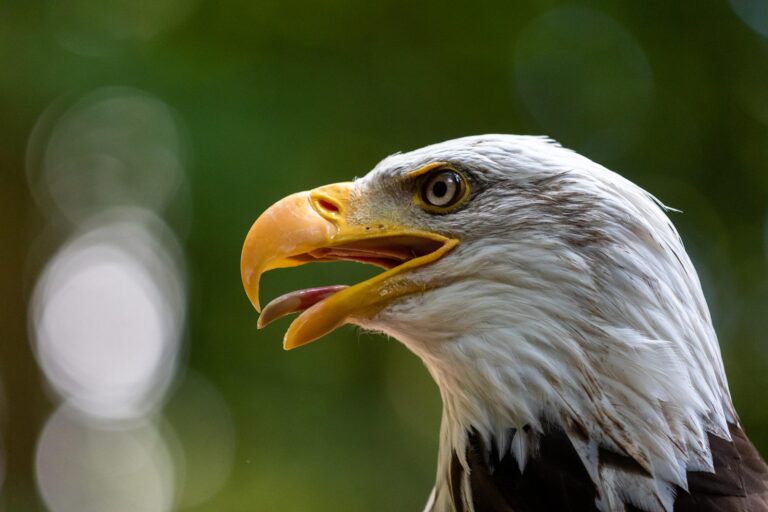
Between downtown Ste. Genevieve and the Mississippi River, the Ste. Genevieve Levee Wildlife Refuge transforms flood protection infrastructure into wildlife habitat—more than 200 acres of river bottomlands, floodplain forest, wetlands, and open fields where deer browse at dawn, great blue herons hunt the shallows, meadowlarks sing from fence posts, and bald eagles perch in towering cottonwoods overlooking the great river. Dedicated in 2021 after seven years of collaborative planning between the City of Ste. Genevieve, U.S. Fish and Wildlife Service, both Ste. Genevieve Levee Districts, Missouri Department of Conservation, and Army Corps of Engineers, this refuge honors the historical connection between America’s oldest town west of the Mississippi and the river that shaped its destiny—while offering modern visitors the chance to walk the levee-top pathway, hike primitive trails to the riverfront, birdwatch along the Mississippi Flyway, fish the river’s edge, and experience rare undisturbed stretches of Mississippi River ecosystem recently transferred to federal wildlife management.
The Urban Design Levee: Born from Catastrophic Floods
Understanding the refuge requires understanding the levee itself—massive earthen barrier completed in 2001 after the devastating 1993 and 1995 floods that inundated Ste. Genevieve multiple times throughout the 290-year-old town’s history.
The Flood History:
Ste. Genevieve’s location on the Mississippi River floodplain—the very reason French habitants chose this site in the 1730s for its fertile Grand Champ bottomlands—has always been both blessing and curse. The Mississippi giveth (agricultural bounty, transportation access, trade opportunities) and the Mississippi taketh away (repeated catastrophic flooding).
The original French village, established closer to the riverbank, was moved to higher ground after a devastating flood in 1785. But even the “new” location (today’s downtown historic district) wasn’t immune—major floods continued throughout the 19th and 20th centuries.
The modern breaking point came in the 1990s: the Great Flood of 1993 and another major flood in 1995 demonstrated that Ste. Genevieve needed massive flood protection. Local historian Bob Mueller notes that remarkably, 50 percent of the 25 highest floods recorded at Ste. Genevieve have occurred since the Urban Design Levee was completed in 2001—a testament both to changing Mississippi River hydrology and to the levee’s success in protecting the community.
The Levee Construction:
The Ste. Genevieve Urban Design Levee is no ordinary flood barrier—it’s a carefully engineered system rising 30+ feet above the floodplain, stretching along the riverfront, and incorporating:
- Massive earthen embankment – Millions of cubic yards of soil creating the barrier
- Borrow pit (now Lake Audubon) – Area where earthen materials were extracted for levee construction, creating permanent lake habitat
- Levee-top pathway – Wide enough for maintenance vehicles, perfect for walking and cycling
- Interior drainage – Managing water on the protected side of the levee
The U.S. Army Corps of Engineers approved the levee design with the explicit understanding that a “borrow site” would remain available—a reserve of earthen material that could be used for emergency levee repairs during catastrophic flooding.
The Wildlife Refuge Vision: Recreation Meets Conservation
Even during levee planning in the 1990s, there was recognition that this massive infrastructure project could serve dual purposes: flood protection and wildlife habitat.
The 2014 Task Force:
In 2014, a committee formed to pursue recreational use of the levee and the land between the levee and the Mississippi River. Led by then-Ste. Genevieve Tourism Director Sandra Cabot, the task force included:
- Vern Bauman (long-time Levee District No. 3 president)
- John Karel (environmentalist and refuge advocate)
- Sara Menard
- Kathy Waltz
- Bob Mueller (local historian)
- Input from Norm Gallup, Gary Roth, Mary Lou Sampson, and mayors Dick Greminger and Paul Hassler
The Goals:
The committee identified four interconnected priorities:
- Provide habitats for a variety of wildlife – Protecting and restoring Mississippi River bottomland ecosystems, planting native trees appropriate for river floodplains, creating wetlands and open fields supporting diverse species
- Provide access for adults and children to enjoy wildlife and habitat – Building trails, information kiosks, parking areas, and viewing opportunities making the refuge accessible to families, school groups, birdwatchers, and nature enthusiasts
- Reinforce the historical connection between Ste. Genevieve and the Mississippi River – Celebrating 290 years of French colonial settlement tied to river commerce, Ferdinand Rozier’s successful mercantile business, John James Audubon’s brief 1811 residence in Ste. Genevieve, and centuries of river-dependent community life (“Sometimes it’s a little bit too much of a connection,” quipped Mueller, referencing frequent flooding)
- Exercise, education, and economic boost – Creating outdoor recreation opportunities promoting public health, environmental education programming for schools and organizations, and heritage tourism drawing visitors to experience undisturbed Mississippi River landscapes
The 2016 Conceptual Plan:
In June 2016, the Ste. Genevieve City Board of Aldermen approved a conceptual plan developed collaboratively with U.S. Fish and Wildlife Service, both Ste. Genevieve Levee Districts, Missouri Department of Conservation, and Army Corps of Engineers.
Early implementation included:
- Missouri Bird Conservation Initiative grant (received by city) – Funding habitat improvements, planting native trees (cottonwoods, oaks, cypress) appropriate for Mississippi River bottomland ecosystems inside the levee
- Information kiosk and gravel parking lot – Built in 2021 cooperative effort between city and Fish and Wildlife Service, providing visitor orientation and access
The 2021 Dedication:
Friday, August 13, 2021, marked the official dedication of the Ste. Genevieve Levee Wildlife Refuge—culmination of seven years of planning, partnership negotiations, habitat restoration, and infrastructure development.
Mayor Paul Hassler, local historian Bob Mueller, Floyd Truetken (U.S. Fish and Wildlife Service), and Sandra Cabot (Missouri Division of Economic Development project manager) spoke at the ceremony. The road leading to the refuge was officially named Stormy Crawford Way in honor of Walter “Stormy” Crawford Jr.—noted ornithologist, executive director and founder of the World Bird Sanctuary in Valley Park (St. Louis area), whose spirit and dedication to bird conservation inspired the refuge’s creation.
John James Audubon: The Ste. Genevieve Connection
The refuge’s centerpiece—Lake Audubon (the former borrow pit)—honors John James Audubon, America’s most famous ornithologist and naturalist, who lived briefly in Ste. Genevieve in 1811.
Audubon’s Ste. Genevieve Chapter:
John James Audubon (born Jean-Jacques Rabin Audubon in Haiti in 1785) arrived in Ste. Genevieve in December 1810 with his business partner Ferdinand Rozier. The two had formed a mercantile partnership in 1806 in France, pursuing business opportunities in America.
Their partnership took them from Pennsylvania (lead mining at Mill Grove) to Louisville, Kentucky (general store) to Henderson, Kentucky—but Audubon was a terrible businessman. While Rozier kept the books and managed inventory, Audubon wandered forests hunting, sketching birds, and conducting the first known bird-banding experiments in North America.
Seeking less competitive markets, they pushed west to the French colonial settlement of Ste. Genevieve—first permanent European settlement west of the Mississippi River, where French was still the dominant language and Rozier’s cultural background would be advantage.
They arrived via keelboat in harsh December weather, fighting ice jams on the Mississippi, finally reaching Ste. Genevieve where Rozier established another general store.
But the partnership couldn’t survive Audubon’s obsession with birds over bookkeeping. On April 6, 1811, they dissolved their partnership in Ste. Genevieve. Rozier agreed to pay Audubon $3,000 ($56,694 in 2024 dollars)—$1,000 cash immediately and the balance in notes over time.
Audubon left Ste. Genevieve to return to his wife Lucy and their son in Kentucky, freed to pursue his life’s calling: documenting and painting every bird species in North America. That obsession produced The Birds of America (1827-1839), arguably the most famous ornithological work ever created—435 life-size prints that revolutionized both bird illustration and understanding of American wildlife.
Ferdinand Rozier, the practical businessman Audubon could never be, thrived in Ste. Genevieve. He married Constance Pelagie Roy in 1813, built substantial wealth as a merchant, and died in Ste. Genevieve in 1864—his descendants including Felix Rozier, who built Inn St. Gemme Beauvais in 1848 and became president of the Vallé Mining Company.
Audubon’s Legacy in Ste. Genevieve:
Though Audubon lived in Ste. Genevieve only a few months, his connection endures:
- Lake Audubon – The refuge’s borrow pit lake renamed in his honor
- The Audubon Hotel – Downtown lodging celebrating his legacy
- Audubon’s Walk – Special naturalist-led hike atop the levee (held Sunday after French Heritage Festival) spotlighting birds Audubon might have observed: cliff swallows, horned larks, red-winged blackbirds, eastern bluebirds
- Regional Audubon trail – Visitors can “follow Nature in her walks” (Audubon’s own words) in the same scenic areas he explored: Hawn State Park, Pickle Springs, Hickory Canyon, Magnolia Hollow, and the Levee Wildlife Refuge
Stormy Crawford Way: Honoring Modern Conservation
The road accessing the refuge was named Stormy Crawford Way for Walter “Stormy” Crawford Jr.—ornithologist, executive director and founder of the World Bird Sanctuary, whose dedication to bird conservation and environmental education inspired the refuge task force.
The naming connects Audubon’s 19th-century ornithological legacy to 20th and 21st-century conservation efforts, reminding visitors that protecting bird habitat requires continuous commitment across generations.
What You’ll Experience: Walking the Levee and Exploring the Refuge
The Levee-Top Pathway:
Follow Stormy Crawford Way from downtown Main Street toward the levee, park in the gravel lot near the information kiosk, and embark on a walk atop the massive earthen barrier.
The Experience:
Walking the levee top feels like walking a wide earthen highway 30+ feet above the surrounding landscape—simultaneously impressive engineering and accessible nature trail.
What You’ll See:
On the river side (east): Mississippi River bottomlands, floodplain forest, wetlands, fields, and the river itself visible through tree gaps
On the town side (west): Downtown Ste. Genevieve’s church spires, historic rooflines, and the community protected by this massive barrier
North or south routes: The levee pathway extends both directions from the parking area—explore as far as time and energy allow, turning back whenever ready
Information kiosks: Along the route, interpretive signs tell the area’s history—French colonial settlement, Mississippi River commerce, flood history, wildlife habitat, conservation efforts
The Wildlife:
Don’t be surprised when you encounter:
- White-tailed deer – Browsing fields and forest edges, especially dawn and dusk
- Opossums – North America’s only marsupial, nocturnal but occasionally seen
- Eastern meadowlarks – Singing from fence posts, distinctive yellow breast with black V
- Great blue herons – Hunting fish in shallows with patient stillness
- Red-winged blackbirds – Males flashing red and yellow shoulder patches
- Cliff swallows – Colonial nesters swooping aerobatically
- Horned larks – Ground-dwelling songbirds in open areas
- Eastern bluebirds – Cavity nesters with brilliant blue plumage
- Bald eagles (winter) – Perched in riverside cottonwoods November through March
The Trees:
Notice the deliberate plantings:
- Cottonwoods – Fast-growing pioneer species, massive trunks, rustling leaves
- Oaks – Mixed species providing acorns for wildlife
- Cypress trees – Bald cypress adapted to wet floodplain conditions, distinctive “knees” emerging from waterlogged soil
These aren’t random landscaping—they’re strategic habitat restoration using species appropriate for Mississippi River bottomland ecosystems, planted with Missouri Bird Conservation Initiative grant funding.
Primitive Trails to the Riverfront: Undisturbed Mississippi River Access
Beyond the levee-top pathway, primitive hiking trails lead across fields and through wooded areas toward the Mississippi River—providing rare access to undisturbed river frontage.
The New Federal Transfer:
The riverfront on the opposite side of the levee from the main refuge area was recently transferred to U.S. Fish and Wildlife Service management—expanding the refuge and protecting additional Mississippi River bottomlands from development.
This transfer is significant because it preserves one of the few remaining undisturbed stretches of Mississippi River in the region—free from industrial development, barge facilities, grain terminals, and the infrastructure that lines much of the river from St. Louis to Cape Girardeau.
What Makes This Special:
The entire stretch of Mississippi River from St. Louis south to below Cape Girardeau is unique—it’s unchecked by the lock and dam system that controls the Upper Mississippi. This free-flowing section (within levee constraints) maintains more natural river dynamics: seasonal flooding, sediment transport, channel migration, and the ecological processes that created Mississippi River bottomland ecosystems over millennia.
The Ste. Genevieve refuge protects a portion of this rare Middle Mississippi habitat, offering visitors chance to experience the river as it functioned before extensive engineering—wild, powerful, essential.
Birdwatching on the Mississippi Flyway:
The refuge sits on the Mississippi Flyway—one of four major North American bird migration routes. Each spring and fall, millions of birds follow the Mississippi River corridor between northern breeding grounds and southern wintering areas.
The refuge’s mix of habitats (river, wetlands, floodplain forest, open fields) supports incredible bird diversity:
- Waterfowl (ducks, geese) resting and feeding during migration
- Shorebirds probing mudflats for invertebrates
- Warblers (over 25 species documented) moving through in colorful spring waves
- Raptors (hawks, eagles) hunting from riverside perches
- Herons and egrets wading shallow waters
Serious birdwatchers can contribute observations to eBird (Ste. Genevieve Levee Wildlife Refuge is an established eBird hotspot), helping scientists track bird populations and migration patterns.
Fishing Along the River:
The public is welcome to fish along the Mississippi River within the refuge boundaries—casting for catfish, bass, and other species in one of North America’s most productive river systems.
Important: No motorized traffic is allowed either on the levee or within the refuge. Anglers walk or bicycle to fishing spots.
Lake Audubon: The Borrow Pit Transformed
The former borrow pit—where millions of cubic yards of earth were extracted to build the levee—has been renamed Lake Audubon, transforming emergency earthen reserve into permanent wildlife habitat.
The Management Balance:
U.S. Fish and Wildlife Service and the Levee District continue negotiating the details: USFWS doesn’t want to take full management responsibility for Lake Audubon if the Levee District might need to borrow material from the site during future catastrophic flooding requiring emergency levee repairs.
The solution involves careful survey work delineating exactly which acreage transfers to federal management and which remains under levee district control as strategic reserve.
The Habitat Value:
Regardless of the administrative details, Lake Audubon provides:
- Open water habitat – Waterfowl resting during migration
- Shallow edges – Shorebird feeding areas
- Fish populations – Supporting herons, eagles, anglers
- Scenic beauty – Reflecting sky, trees, and passing clouds
Future Inclusion in Mid-Mississippi National Wildlife Refuge
Local advocates including environmentalist John Karel and community leader Mary Elise Okenfuss are promoting inclusion of the Ste. Genevieve Levee Wildlife Refuge in the Mid-Mississippi National Wildlife Refuge—a broader federal refuge system protecting critical Mississippi River habitat from St. Louis south to Cape Girardeau.
This inclusion would:
- Provide additional federal resources for habitat management
- Connect Ste. Genevieve’s refuge to larger conservation corridor
- Enhance recognition and protection for this rare undisturbed river stretch
- Create opportunities for coordinated research and education programs
The East Ozarks Audubon Society and other conservation organizations support this vision, seeing the Ste. Genevieve refuge as essential piece in Mississippi River ecosystem protection.
Additional Named Trails (Planned/Proposed):
The refuge signage and trail system includes names honoring significant figures:
- Bill Emerson Trail – Named for former U.S. Representative Bill Emerson (R-Missouri)
- Richard Gephardt Trail – Named for former U.S. Representative Richard Gephardt (D-Missouri), House Minority Leader and 2004 presidential candidate
- Vern Bauman farming road – Lane through woods to field, honoring current Levee District No. 3 chairman Vern Bauman
These designations recognize political leaders who supported flood control infrastructure, conservation funding, and Mississippi River management—connecting refuge access to the broader network of public officials who made this project possible.
Practical Information
Name: Ste. Genevieve Levee Wildlife Refuge
Address: Stormy Crawford Way (off Main Street), Ste. Genevieve, MO 63670
Phone: (573) 880-6970
Size: More than 200 acres (exact acreage pending final survey determining Lake Audubon boundaries)
Managing Agencies:
- U.S. Fish and Wildlife Service (primary management)
- City of Ste. Genevieve (management role)
- Joint Levee Commission (property ownership during transition)
- Ste. Genevieve Levee Districts No. 3 (partnership)
Hours: Daylight hours (no official posted hours—refuge accessible dawn to dusk)
Admission: Free
Facilities:
- Information kiosk with refuge history and wildlife information
- Gravel parking lot (5-6 spaces)
- Levee-top pathway (wide earthen trail suitable for walking, running, cycling)
- Primitive hiking trails to Mississippi River
- No restrooms, no water, no shelters
Activities:
- Levee-top walking/jogging/cycling
- Hiking primitive trails to riverfront
- Birdwatching (Mississippi Flyway migration route)
- Wildlife observation (deer, herons, eagles, meadowlarks, etc.)
- Fishing along Mississippi River
- Photography
- Nature study and environmental education
Restrictions:
- No motorized traffic on levee or within refuge
- Primitive trails—expect uneven terrain, possible mud, minimal maintenance
Best Times to Visit:
Spring (March-May): Wildflowers blooming, bird migration peak (warblers, waterfowl, shorebirds), comfortable temperatures, possible muddy trails
Summer (June-August): Full canopy, hot and humid, dawn/dusk visits recommended, abundant wildlife activity
Fall (September-November): Fall colors, southbound bird migration, comfortable temperatures, excellent photography light
Winter (December-February): Bald eagle season (eagles hunting Mississippi River fish), bare trees improving visibility, fewer insects, crisp air
What to Bring:
- Binoculars for birdwatching and distant wildlife observation
- Field guides for bird and plant identification
- Water (no facilities on-site)
- Sunscreen and hat (levee top offers little shade)
- Insect repellent (especially spring/summer near wetlands)
- Camera for wildlife and landscape photography
- Sturdy shoes for primitive trails
- Fishing gear if planning to fish
Special Events:
Audubon’s Walk: Naturalist-led hike atop the levee (Sunday after French Heritage Festival in June), spotlighting birds and wildlife following Audubon’s naturalist approach
Building the Refuge Into Your Ste. Genevieve Itinerary
Downtown Connection (5-minute walk): Morning: Historic house tours (Bolduc, Beauvais-Amoureux, Felix Valle) Afternoon: Walk Stormy Crawford Way from Main Street to refuge, levee-top stroll, return downtown for dinner
Birding Weekend: Combine refuge with other regional birding hotspots: Magnolia Hollow Conservation Area (winter eagles), Hawn State Park (forest birds), Mississippi River islands via Ste. Gen-Modoc Ferry
Family Nature Day: Morning: Refuge wildlife observation Lunch: Downtown picnic at Lions Club Park Afternoon: Hickory Canyons wet-weather waterfall or Pickle Springs shut-ins
Audubon Heritage Trail: Visit sites connected to John James Audubon: Levee Wildlife Refuge and Lake Audubon, The Audubon Hotel (downtown lodging), Ferdinand Rozier sites (Rozier built Inn St. Gemme Beauvais through his family)
Exercise Loop: Park downtown, walk/jog to refuge via Stormy Crawford Way, levee-top pathway (choose distance), return downtown—flat, accessible route perfect for morning exercise
Where the Levee Meets the Legacy
The Ste. Genevieve Levee Wildlife Refuge proves that flood protection infrastructure can double as wildlife habitat, that engineering challenges can create conservation opportunities, that the same Mississippi River bottomlands attracting French habitants in 1735 still support incredible biodiversity in 2026, and that honoring ornithological legends like John James Audubon and Stormy Crawford means protecting the birds and habitats they dedicated their lives to understanding.
Walk the levee top as deer browse the fields. Hike primitive trails to rare undisturbed Mississippi riverfront. Watch great blue herons hunt the shallows. Spot bald eagles perched in riverside cottonwoods. Learn the history at interpretive kiosks. Cast a line into America’s defining river.
At the Ste. Genevieve Levee Wildlife Refuge—where Stormy Crawford Way leads from Main Street to Mississippi River bottomlands, where Lake Audubon honors America’s greatest ornithologist, where more than 200 acres protect habitat along the Mississippi Flyway, where engineered levees create accidental wilderness.
Five minutes from downtown. 290 years of connection between town and river. Free access to one of the Middle Mississippi’s last undisturbed stretches.

Sorry, no records were found. Please adjust your search criteria and try again.
Sorry, unable to load the Maps API.