

Milice Encampment – 18th-Century Living History in Sainte Geneviève
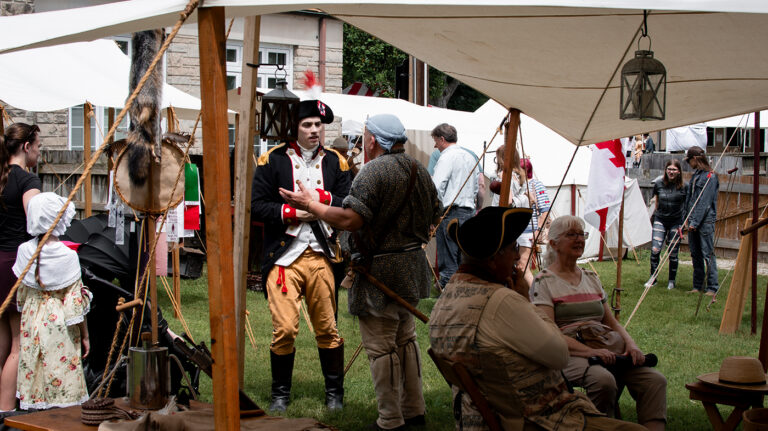
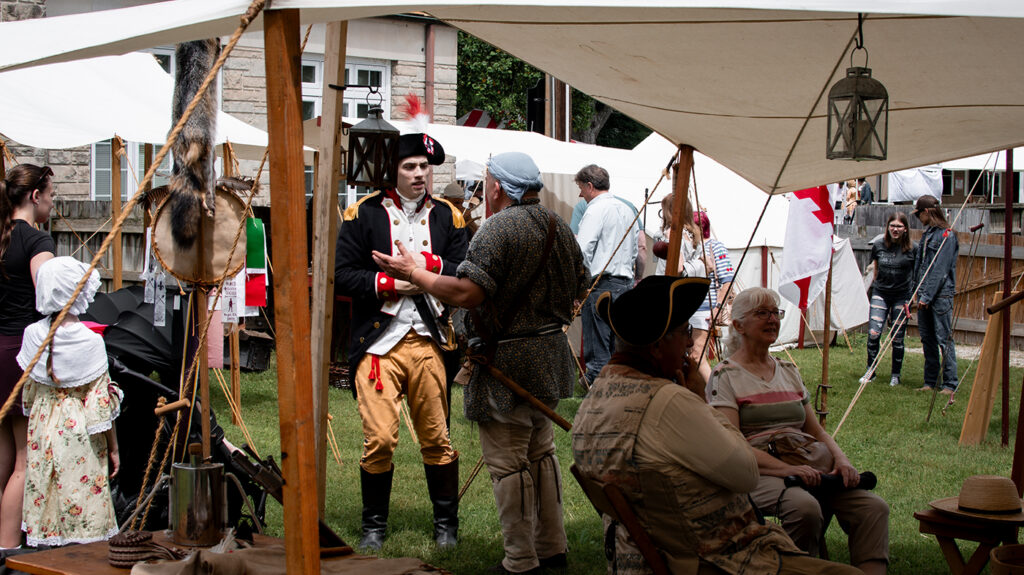
Twice yearly—typically the second Saturday in April and October—the grounds of the LeMeilleur House transform into working 18th-century military camp as the Ste. Geneviève Militia, Inc. hosts the Milice Encampment, bringing colonial-era French and Spanish frontier life to vivid reality. This free, family-friendly living history event (9:30 AM-4 PM) operated by the Centre for French Colonial Life invites visitors of all ages to explore authentic demonstrations including gun building, chair seat weaving, spinning, and leatherwork, while children participate in hands-on period crafts and activities. Experience direct, engaging immersion in the skills and traditions that shaped early Sainte Geneviève—no ropes, no glass cases, no museum distance. Just artisans working in period dress, demonstrating 18th-century craftsmanship, answering questions, and welcoming curiosity about daily life when French colonists and Spanish administrators defended Missouri’s oldest settlement.
Practical Information
- Event Name: Milice Encampment
- Schedule: Twice yearly, typically second Saturday in April and October
- Time: 9:30 AM – 4 PM
- Location: LeMeilleur House grounds, Centre for French Colonial Life, Sainte Geneviève, Missouri
- Host: Ste. Geneviève Militia, Inc.
- Operator: Centre for French Colonial Life
- Admission: Free
- Age Appropriateness: All ages welcome; hands-on children’s activities available
- Demonstrations: Gun building, chair seat weaving, spinning, leatherwork, plus additional colonial-era crafts varying by encampment
- Format: Working 18th-century camp with active demonstrations, opportunities to observe and ask questions, hands-on participation elements
- Historical Context: French Colonial and Spanish frontier military and civilian life in early Sainte Geneviève
- Accessibility: Outdoor event on historic house grounds (check with Centre regarding specific accessibility needs)
- Weather: Outdoor event; check ahead regarding weather-related schedule changes
- Parking: Available near LeMeilleur House
- Contact: Centre for French Colonial Life for specific dates and additional information
Living History, Not Museum Displays
The Milice Encampment rejects passive observation in favor of active engagement. Visitors don’t read plaques about 18th-century gun building—they watch gunsmiths actually construct firearms using period-appropriate tools and techniques. They don’t study photographs of chair seat weaving—they observe weavers creating functional seats using traditional materials and methods. The demonstrations happen in real time, performed by skilled artisans dressed in historically accurate clothing, using authentic tools, producing actual functional objects.
The “milice” (militia) context provides historical framework. French Colonial Ste. Genevieve required organized defense—against British threats during the French and Indian War, against potential conflicts during Spanish administration (1763-1800), against various frontier dangers. The militia represented community self-defense: local men trained in military skills, maintaining arms and equipment, ready to protect settlement when necessary. This wasn’t professional army—it was farmers, merchants, craftsmen who also served as soldiers when needed.
The encampment recreates that dual civilian-military identity. The same person demonstrating leatherwork might also drill with musket. The woman spinning wool might discuss how militia families maintained households during training exercises or actual deployments. The camp setting—tents, cooking fires, period equipment—shows how 18th-century military operations functioned before modern logistics.
Demonstrations: Colonial-Era Craftsmanship
The demonstrations vary by encampment but typically include:
Gun Building: Flintlock musket and rifle construction from raw materials through finished firearm. Gunsmiths explain barrel forging, lock mechanisms, stock carving, finishing techniques. Visitors see how frontier families maintained and repaired essential firearms when commercial replacements weren’t readily available.
Chair Seat Weaving: Traditional techniques for creating woven seats using natural fiber materials. Demonstrates patience, skill, and resourcefulness required for basic furniture creation. Explains why chairs were valuable possessions in 18th-century households.
Spinning: Wool and flax processing from raw fiber through finished thread. Shows entire textile production chain—cleaning, carding, spinning, explaining weaving next steps. Reveals labor intensity behind every piece of colonial-era fabric.
Leatherwork: Tanning, cutting, stitching leather for practical items—belts, bags, sheaths, clothing elements. Demonstrates how frontier communities utilized every animal part, creating durable goods from available materials.
Additional demonstrations might include blacksmithing, woodworking, cooking, sewing, rope making, basket weaving, or other colonial-era skills depending on participating artisans.
Hands-On Activities for Children
The encampment provides age-appropriate activities allowing children to experience 18th-century life directly:
- Period games and toys
- Simple craft projects using historical techniques
- Opportunities to try spinning, weaving, or other skills under artisan supervision
- Colonial-era cooking samples
- Military drill demonstrations children can observe or participate in (depending on age and interest)
The hands-on approach transforms abstract history into tangible experience. Children remember trying to spin wool, understanding why it’s difficult, appreciating skill required. They remember tasting food cooked over open fire, recognizing flavor differences from modern cooking. They remember touching leather, feeling texture, understanding durability.
LeMeilleur House Grounds: Authentic Setting
The LeMeilleur House, operated by the Centre for French Colonial Life, provides historically appropriate venue. Built in the vertical log construction characteristic of French Colonial Illinois Country, the house represents architectural tradition spanning only five surviving structures in the United States. The grounds offer space for camp setup—tents, cooking fires, demonstration areas—while the house itself contextualizes the encampment within actual 18th-century residential setting.
The Centre for French Colonial Life’s mission—preserving and interpreting French Colonial heritage in Sainte Geneviève—aligns perfectly with the Milice Encampment goals. Both organizations prioritize education through immersion rather than passive observation, authentic experience over simplified narratives.
Free Admission, Family-Friendly Accessibility
No admission charge removes economic barrier to participation. Families can attend without budgeting for tickets, school groups can visit without fundraising constraints, curious individuals can explore without financial commitment. The free model prioritizes community education over revenue generation.
The 9:30 AM-4 PM schedule accommodates various visitor patterns: early arrivals catching morning demonstrations, lunch-time drop-ins, afternoon explorers. The six-and-a-half-hour window ensures flexibility rather than forcing tight scheduling.
Family-friendly designation signals welcoming atmosphere for all ages. Children aren’t nuisances to tolerate but valued participants. Activities scale from toddler observation through teenage engagement. Parents find educational content justifying visit, entertainment value keeping children engaged.
Twice-Yearly Schedule: April and October
The second Saturday in April and October timing reflects practical and thematic considerations:
April: Spring weather generally cooperative for outdoor event. Temperature comfortable for period-appropriate clothing (wool, leather, linen layers). Trees budding, grass greening, season shifting from winter dormancy—paralleling historical pattern of spring militia musters after winter isolation.
October: Fall weather similarly comfortable. Autumn colors providing beautiful backdrop. Harvest season connecting to historical agricultural patterns—militia members balancing military service with farm responsibilities during critical harvest period.
The twice-yearly schedule creates anticipation without exhausting volunteer resources or audience interest. Regular enough to maintain continuity, spaced enough to ensure each encampment feels special rather than routine.
Educational Value Beyond Entertainment
While the encampment provides entertainment—watching skilled demonstrations, trying hands-on activities, exploring camp—the deeper value lies in historical education delivered through experience rather than lecture. Visitors learn:
- Skill Intensity: How much knowledge, practice, patience 18th-century craftsmanship required
- Resource Constraints: How frontier communities utilized available materials creatively
- Labor Reality: How much time daily tasks consumed before modern technology
- Community Interdependence: How specialized skills created mutual reliance
- Military Context: How frontier defense functioned through community militia rather than professional army
These lessons emerge naturally through observation and conversation rather than formal instruction. The gunsmith explaining barrel rifling isn’t lecturing about ballistics—they’re answering questions about process, sharing expertise developed through years of practice, demonstrating technique requiring steady hand and patient focus. The visitor learns by watching, asking, engaging.
Perfect For:
- Families seeking educational outdoor activities
- History enthusiasts interested in French Colonial period
- Children learning about 18th-century life through hands-on experience
- Homeschool groups wanting experiential history lessons
- Anyone curious about traditional crafts and skills
- Visitors exploring Sainte Geneviève’s French Colonial heritage
- Photographers capturing living history scenes
- Adults appreciating skilled artisan demonstrations
Not Ideal For:
- Those expecting modern amenities (port-a-potties available but limited facilities)
- Anyone uncomfortable with outdoor events (weather-dependent)
- Visitors seeking extensive indoor museum experience (this is outdoor camp setting)
- Anyone unable to attend second Saturday April/October dates
The Milice Encampment represents living history at its most accessible and engaging. No admission fees, no complicated ticketing, no restricted access. Just show up second Saturday in April or October, walk the LeMeilleur House grounds, watch artisans work, ask questions, try hands-on activities, immerse yourself in 18th-century skills and traditions that shaped Sainte Geneviève.
The Ste. Geneviève Militia, Inc. volunteers demonstrate extraordinary commitment—researching historical accuracy, developing period-appropriate skills, investing in authentic clothing and equipment, dedicating entire Saturdays twice yearly to public education. These aren’t paid performers following scripts. They’re passionate enthusiasts sharing knowledge accumulated through years of study and practice, answering endless variations of “how did they…?” with patience and expertise.
The free admission model deserves emphasis. In era of expensive admission tickets and premium experiences, the Milice Encampment maintains absolutely free access. Families with four children don’t calculate ticket costs. School groups don’t fundraise for admission. Economic barriers don’t exclude community members. The Centre for French Colonial Life and Ste. Geneviève Militia, Inc. prioritize education over revenue, accessibility over exclusivity.
Mark your calendar: second Saturday in April, second Saturday in October. The LeMeilleur House grounds. 9:30 AM through 4 PM. Free admission. Bring curiosity, comfortable shoes, questions about 18th-century life. Leave with deeper understanding of French Colonial frontier existence, appreciation for traditional craftsmanship, memories of children trying period activities, photographs of working historical camp. The Milice Encampment delivers living history—emphasis on both “living” and “history”—twice yearly in Sainte Geneviève.
Sorry, no records were found. Please adjust your search criteria and try again.
Sorry, unable to load the Maps API.