

Two Rivers Gallery
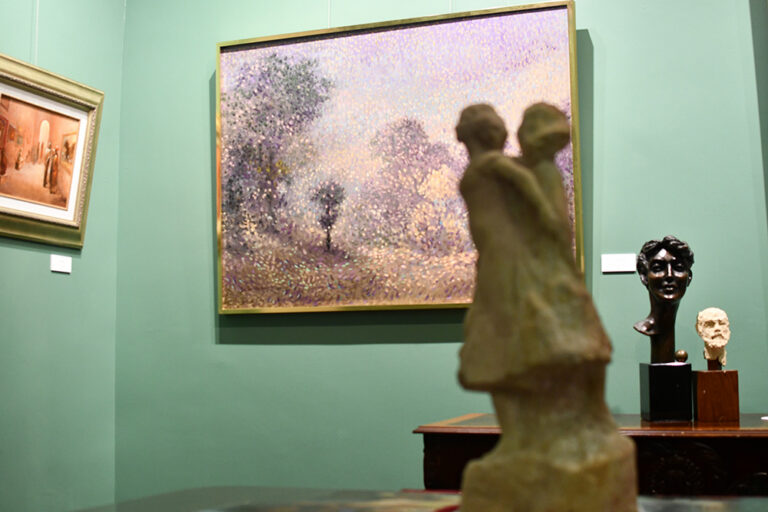
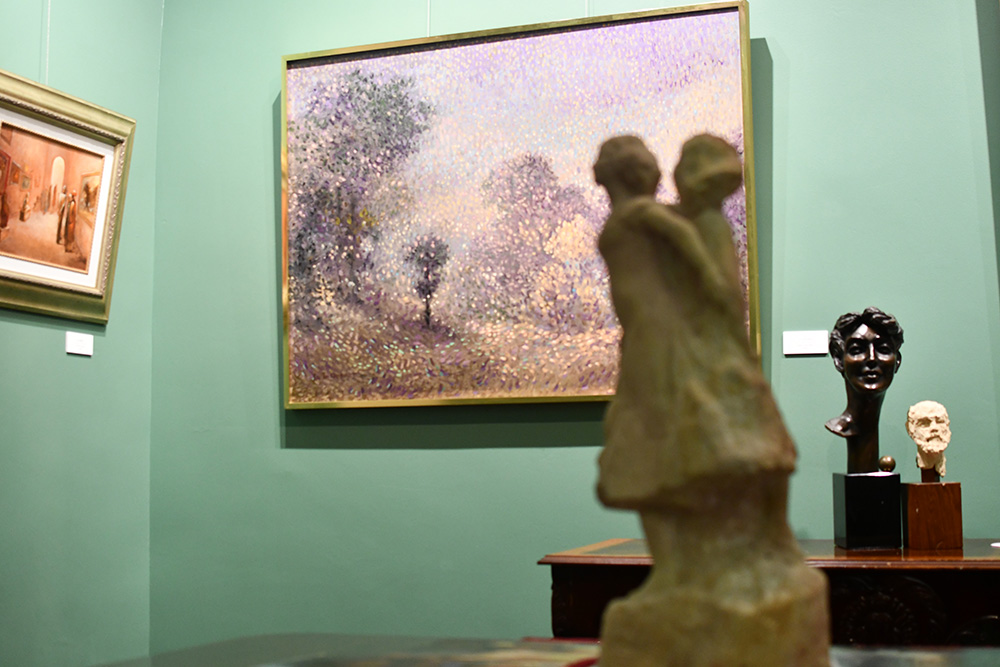
At 73 North Main Street in historic downtown Ste. Genevieve, Two Rivers Gallery transforms an 1848 German bakery into a contemporary art space showcasing the acclaimed work of Missouri artist Bryan Haynes—a leading figure in the New Regionalism movement whose richly detailed paintings capture French colonists, Osage warriors, early pioneers, and sweeping Midwestern landscapes with sculptural forms, undulating lines, and rhythmic gesture. Open Saturdays and Sundays 12 PM to 4 PM, this thoughtfully restored building reflects Ste. Genevieve’s own spirit—preserving its past (the German bakery heritage) while embracing the present (contemporary fine art). The front half houses the gallery featuring Haynes’ historically researched paintings interpreting Missouri’s “culture between the two major rivers” (Mississippi and Missouri), while the rear half will open later in 2026 as French Sisters Wine Bar, creating a shared space where art and hospitality meet just one block from the National Park Welcome Center. Visitors stepping into Two Rivers Gallery discover visual continuation of the town’s multicultural heritage—paintings that tell the same stories of French settlers, indigenous peoples, and pioneers that drive tourism to Ste. Genevieve’s historic houses.
1848 German Bakery: Adaptive Reuse Honors Heritage
Two Rivers Gallery occupies a structure “steeped in local history”—originally built in 1848 as a German bakery during the peak of German immigration to Ste. Genevieve (1832-1870). Over 176 years, the building “served many purposes over the generations” before its current reimagining as gallery and wine bar. This adaptive reuse honors Ste. Genevieve’s preservation ethic while giving historic architecture contemporary purpose.
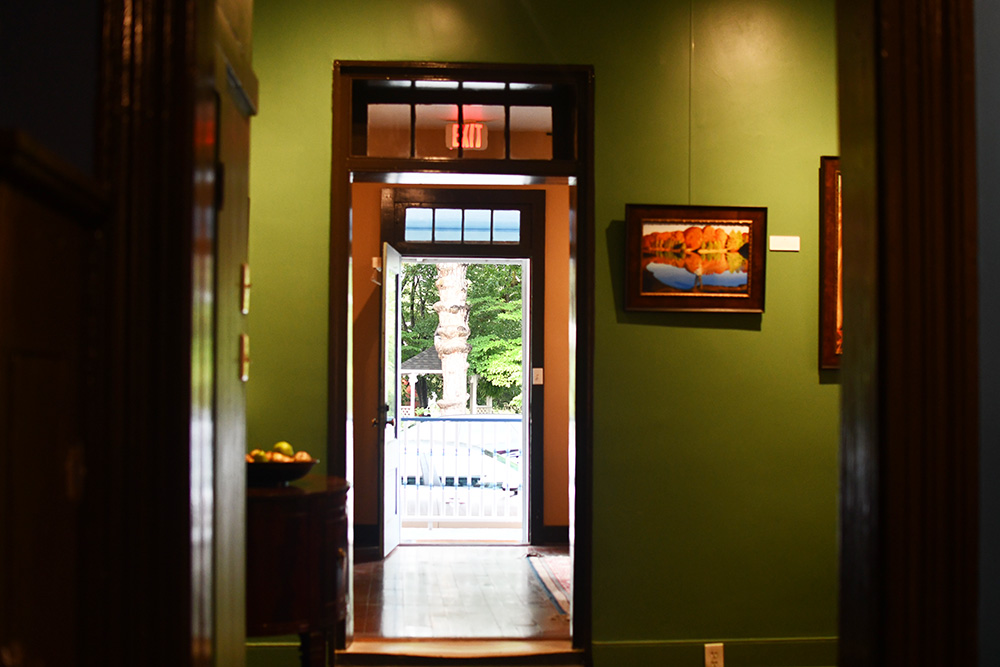
The bakery that once fed German immigrant families now feeds cultural appetites—displaying artwork that tells stories of all who built Missouri. The thoughtful restoration preserves architectural character (original details, period-appropriate materials) while creating clean, professional gallery space showcasing contemporary art. The building itself becomes dialogue between past and present: 19th-century bakery structure housing 21st-century fine art.
The German bakery heritage connects directly to Ste. Genevieve’s multicultural settlement patterns. French colonial founders established the town. German immigrants arrived later, bringing their own traditions, language, crafts. Spanish administrators briefly controlled the region. The town embodied cultural layering—different peoples, different times, different contributions all shaping community. Two Rivers Gallery occupies that layered history literally: bakery becomes gallery becomes wine bar, each iteration serving community needs while honoring what came before.
Bryan Haynes: New Regionalism and Missouri History
Bryan Haynes represents contemporary continuation of Ste. Genevieve’s artistic tradition. The 1930s Art Colony (Thomas Hart Benton, Joe Jones, Jessie Beard Rickly, Aimee Schweig) established the town as “the Mecca of Midwestern art” through Regionalist paintings capturing tenant farmers, workers, the human condition during Depression era. Haynes channels that tradition into New Regionalism—contemporary artistic practice honoring Midwestern subjects, historical narrative, and commitment to regional identity.
His paintings address “culture between the two major rivers that define Missouri”—explicitly acknowledging the Mississippi and Missouri rivers as geographical and historical anchors. Works include “People of Middle Waters” depicting the Osage Nation (inspired by artifacts at the St. Louis Art Museum), French explorers, pioneer settlements, Missouri River life—the very stories Ste. Genevieve embodies.
The historical research underlying Haynes’ work elevates beyond mere illustration. Each painting reflects genuine investigation: What did Osage warriors actually wear? How did French colonial settlements function? What were the real hardships early pioneers faced? The paintings answer these questions through visual storytelling—richly detailed scenes capturing moments that shaped Missouri.
Visitors Touring Historic Sites Find Visual Continuation
The essential brilliance of Two Rivers Gallery’s positioning: it exists within a tourist experience centered on history. Visitors tour French Colonial houses (Bolduc House Museum, Felix Vallé House State Historic Site, Beauvais-Amoureux House), learn about settlement patterns, explore 18th-century architecture. Then they step into Two Rivers Gallery and see paintings depicting the very people and periods they’ve just studied.
This isn’t decorative art tangentially related to tourism. It’s educational extension of the historic house experience. The paintings interpret the stories these buildings represent. They give faces to French colonists. They show Osage warriors and early pioneers. They visualize the cultural interactions and conflicts that shaped the town.
Visitors touring Ste. Genevieve’s heritage naturally find Two Rivers Gallery, and the gallery naturally deepens understanding of what they’ve already experienced.
Two Rivers Gallery and French Sisters Wine Bar: Synergy Opening 2026
The gallery currently occupies the front half of the building. The rear half will become French Sisters Wine Bar, launching later in 2026. This combination creates intended synergy: visitors can experience art, then linger over wine in historic setting. The shared space honors both creativity (visual art) and sociability (wine, conversation) as legitimate cultural activities.
The wine bar component acknowledges that art experiences often extend into relaxation and conversation. You can browse the gallery for thirty minutes, then sit with a glass of wine discussing what you saw. The integration of art and wine honors both traditions while strengthening each.
Downtown Location: Walking Distance to Everything
Two Rivers Gallery’s 73 North Main Street location positions it naturally within downtown walking tours. The proximity to restaurants, museums, shops, and galleries makes it accessible without special effort. Visitors exploring downtown pass it organically. The weekend hours (Saturdays and Sundays 12 PM-4 PM) suit tourist schedules—art viewing fits naturally into itineraries including historic house tours, wine tastings, and downtown dining.
The building’s “architectural charm” adds dimension to art viewing—19th-century bakery transformed into 21st-century gallery creates dialogue between historic structure and contemporary art, both honoring Missouri heritage.
Part of Vibrant Arts Scene
Two Rivers Gallery joins thriving downtown arts community including: Silver Sycamore Gallery of Fine Art (Ali Cavanaugh watercolors, 1930s Art Colony works), Music Art Love (ChrisAlex’s GuitArt and community venue), Sainte Genevieve Art Center & Museum, Only Child Originals (Sam Conlon’s jewelry and garden art). The concentrated arts presence reflects recognition that cultural tourism requires both historic preservation and contemporary creativity.
Practical Information
- Name: Two Rivers Gallery
- Location: 73 North Main Street, downtown Ste. Genevieve, Missouri 63670
- Building History: Built 1848 as German bakery; thoughtfully restored; steeped in local history reflecting German immigration era (1832-1870)
- Primary Artist: Bryan Haynes (New Regionalism movement)
- Artwork Focus: Historically researched paintings depicting French colonists, Osage warriors, early pioneers, Midwestern landscapes, culture between Mississippi and Missouri rivers
- Painting Examples: “People of Middle Waters” (Osage Nation), French explorers, pioneer settlements, Missouri River life
- Hours: Saturdays and Sundays 12 PM-4 PM
- Gallery Space: Front half of building featuring Haynes’ work
- Future Addition: French Sisters Wine Bar opening rear half in 2026
- Architectural Style: 1848 structure preserving German bakery heritage while providing contemporary gallery space
- Walking Distance: Downtown shops, galleries, restaurants, historic sites, National Park Welcome Center nearby
- Perfect For: History enthusiasts connecting visual art to Ste. Genevieve’s heritage, Regionalist art appreciators, visitors interested in New Regionalism movement, those exploring downtown galleries during walking tours, anyone seeking visual interpretation of Missouri settlement history
Two Rivers Gallery represents what happens when thoughtful adaptive reuse meets contemporary art practice. The 1848 German bakery becomes gallery space honoring the building’s heritage while serving current community cultural needs. Bryan Haynes’ paintings create visual dialogue with Ste. Genevieve’s historic sites—you tour French Colonial houses in morning, view paintings depicting French colonists in afternoon, understanding deepens through combined experience.
The New Regionalism tradition connects directly to Ste. Genevieve’s artistic legacy. The 1930s Art Colony established the town as “Mecca of Midwestern art” by capturing regional subjects, community stories, cultural identity. Haynes continues that tradition—contemporary practice honoring regional significance, historical narrative, artistic commitment to place.
The upcoming French Sisters Wine Bar addition strengthens rather than complicates the gallery experience. Art and wine—both experiences involving aesthetic appreciation and cultural conversation—belong together. The rear half opening 2026 creates complete cultural destination: visual art in front, wine sociability in back, 1848 German bakery structure containing both.
Whether you’re exploring downtown Ste. Genevieve, connecting visual art to historic sites you’ve toured, interested in New Regionalism practice, or simply wanting to understand how contemporary artists engage regional heritage, Two Rivers Gallery delivers. Walk in Saturday or Sunday afternoon, stand before Haynes’ richly detailed paintings depicting the Mississippi-Missouri river culture, recognize the faces and stories you learned in historic houses, and understand why this specific small town inspired both Depression-era Regionalists and contemporary New Regionalists. Two Rivers Gallery—where 1848 German bakery meets contemporary art, where historic architecture contains present creativity.
Sorry, no records were found. Please adjust your search criteria and try again.
Sorry, unable to load the Maps API.