



Sassafras Creek Originals
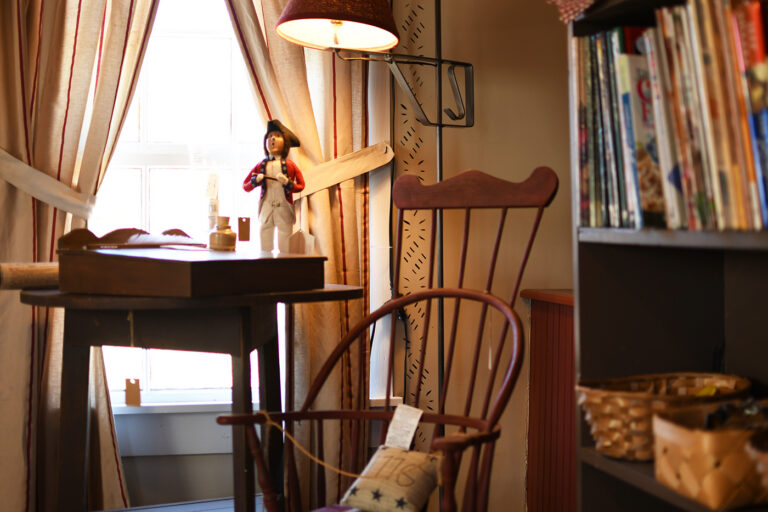
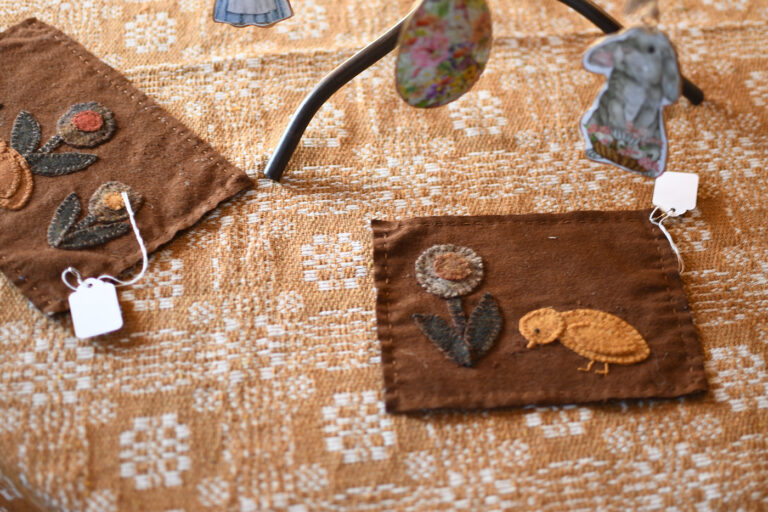
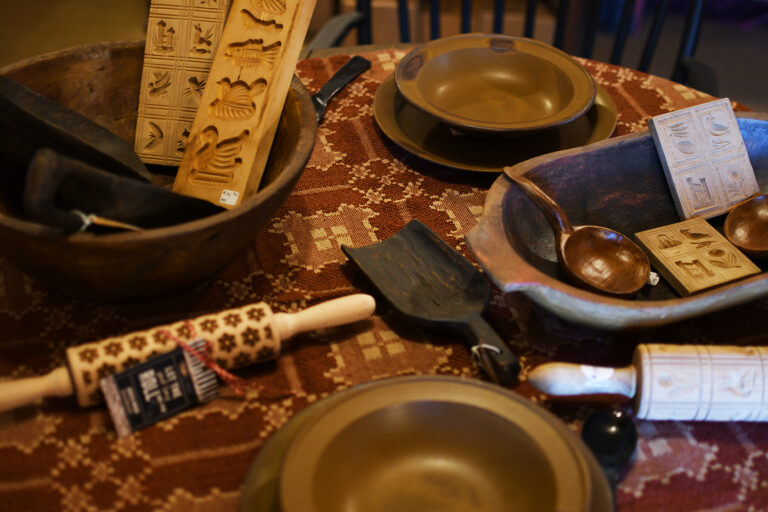
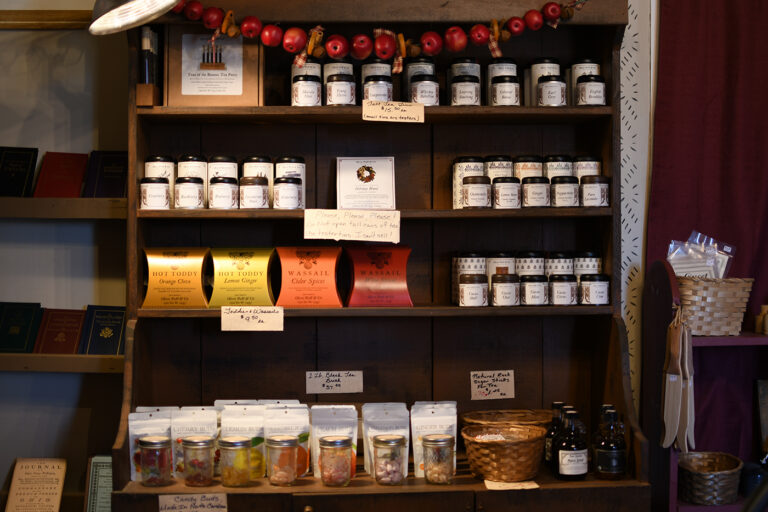
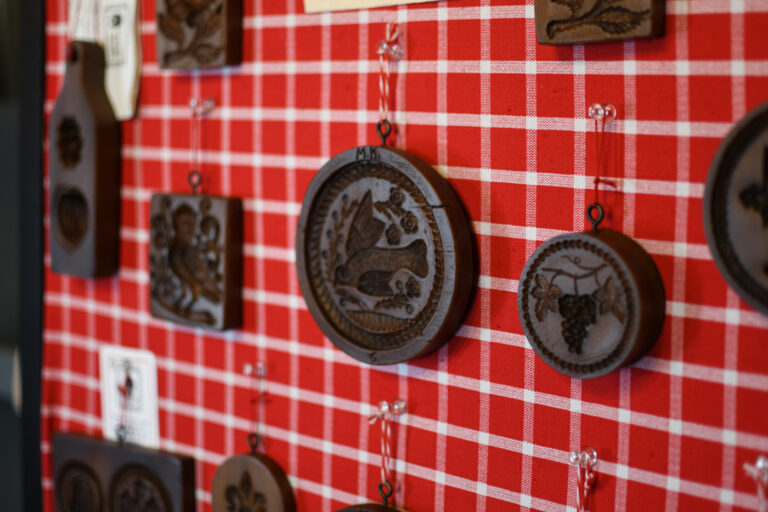
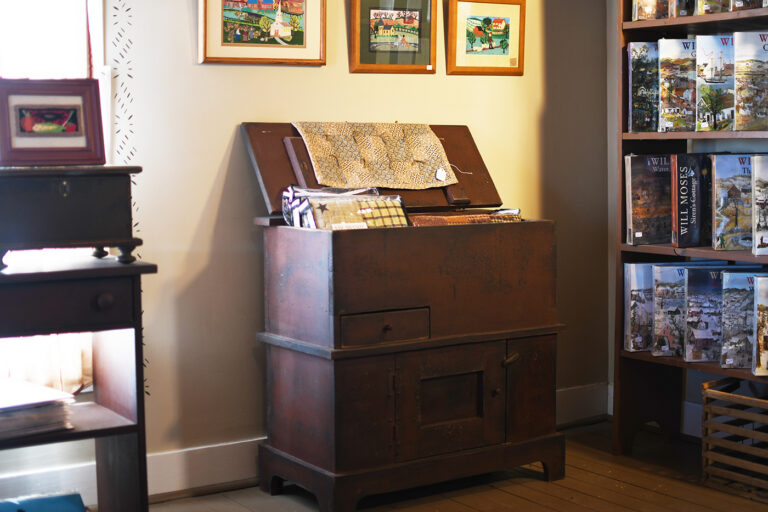
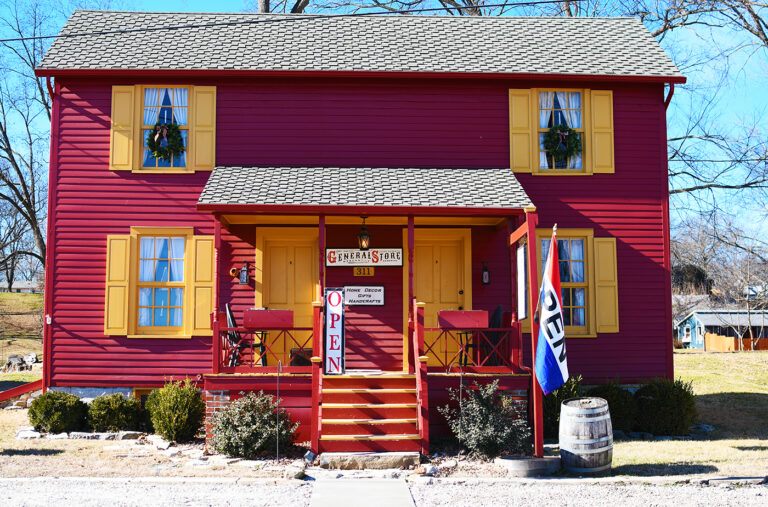
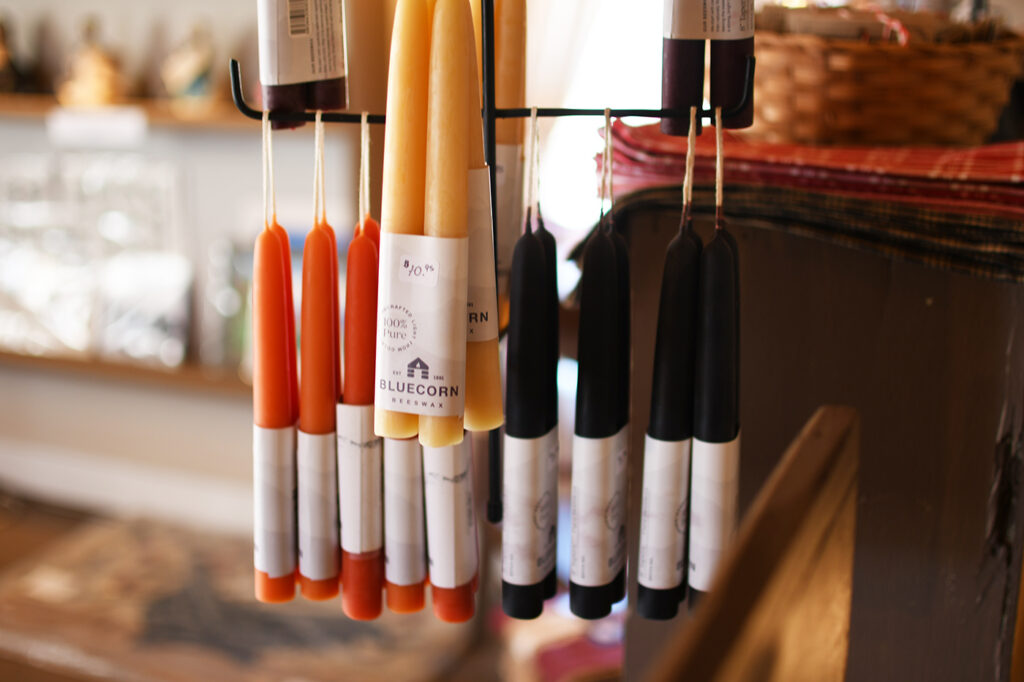
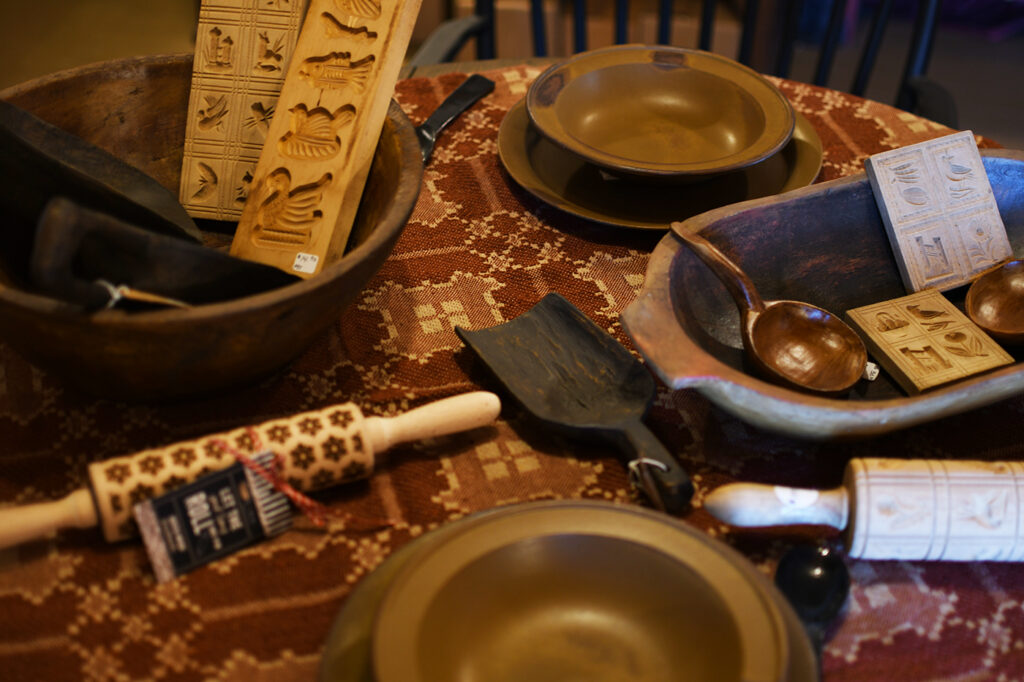
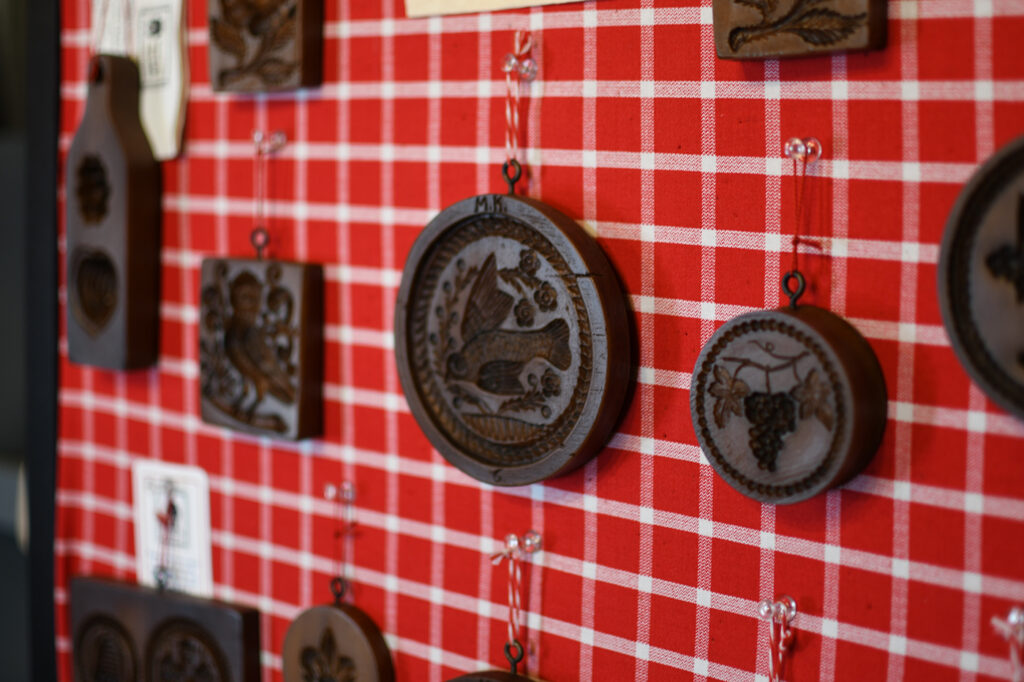
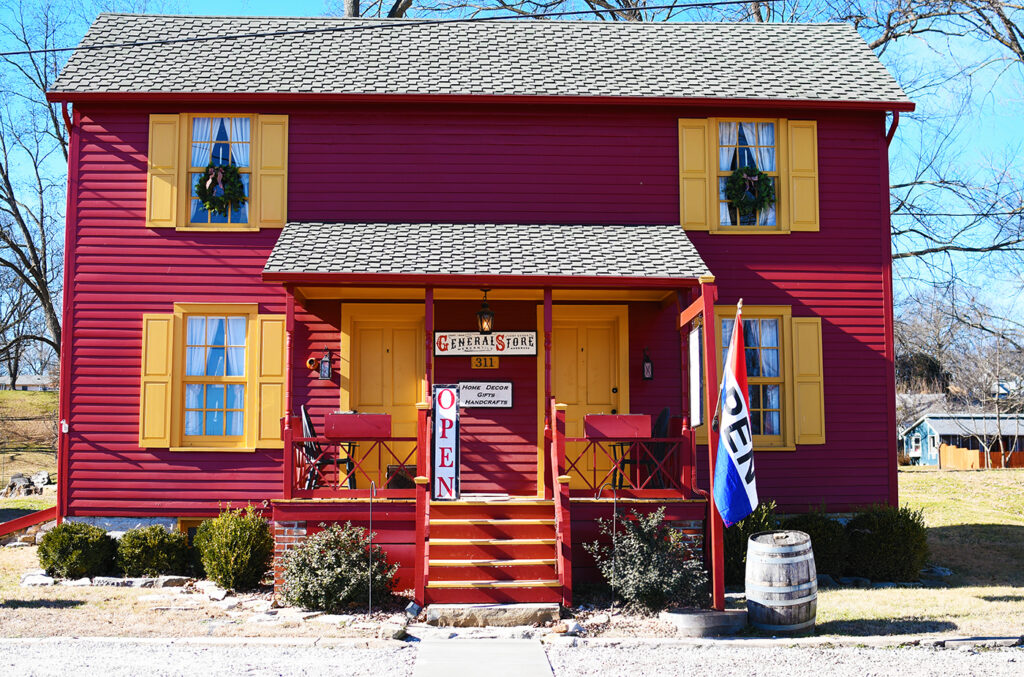
At 311 St. Mary’s Road in historic downtown Ste. Genevieve, Sassafras Creek Originals occupies a circa 1850 Brooks House transformed into colonial-era general store showcasing hand-crafted Early American folk art meeting museum-curator standards for authenticity. Owner Kandye Mahurin, selected eight consecutive years for Early American Life Magazine’s Directory of Traditional American Craftsmen, collaborates with fellow Directory-juried artisans creating pieces that satisfy demands from museum curators seeking period-appropriate displays, collectors restoring traditional homes, motion picture producers requiring historically accurate props, and historic preservationists working on period properties. The hand-painted game boards—checkerboards, parcheesi boards, and other surfaces painted in period colors, then artificially aged through distressing, crackling, and layered color application to replicate authentic 18th-century originals—represent Kandye’s founding inspiration. Hand-sewn bandboxes, fabric-covered storage containers reflecting Colonial transportation and domestic life, expand the collection into functional historical craft. The store itself functions as artifact—the 1850 brick building enhancing the shopping experience through period-appropriate setting where merchandise, architecture, and atmosphere align seamlessly. Whether you’re furnishing period property, seeking authentic heirloom gift items, or exploring what genuine Early American reproduction craft means, Sassafras Creek Originals delivers pieces distinguished by scholarship, technique, and commitment to historical accuracy that casual “colonial style” retailers cannot match.
A Frustration Becomes Craft Practice: 1994 Origin Story
Kandye’s creation of Sassafras Creek Originals emerged from practical frustration. While antiquing, she discovered a beautiful hand-painted game board—exactly what she wanted for her own collection. The price, however, placed authentic 18th-century game boards beyond reach; these pieces command thousands of dollars at auction when genuinely antique. Rather than abandoning desire, Kandye decided to create her own. She hand-painted a reproduction, artificially aging it through techniques replicating wear, fading, and patina to visually match the antique original. The result succeeded—not as deception but as honest reproduction respecting the original craft while making historical aesthetic accessible at reasonable price.
This founding impulse matters because it reveals Kandye’s actual commitment: not creating cheap knock-offs but rather practicing genuine craft honoring historical techniques and aesthetic. She wasn’t seeking to fool people or capitalize on nostalgia but rather to participate in tradition of making beauty available.
Early American Life Magazine Directory: Recognition Through Rigorous Standards
The Early American Life Magazine Directory of Traditional American Craftsmen represents significant professional recognition. Early American Life, founded in 1970, focuses specifically on architecture, decorative arts, period style, and social history from colonial times through the mid-19th century. The Directory appears annually (typically August issue) and features craftspeople meeting rigorous standards for technique, historical scholarship, and authentic material usage.
Kandye’s selection for eight consecutive years demonstrates sustained excellence over decades rather than momentary validation. The Directory carries weight specifically because museum curators, collectors, preservationists, and motion picture producers use it as resource—people whose professional reputation depends on authenticity and quality. Museum curators seeking pieces for living history displays cannot afford reproduction quality failures. Historic preservationists restoring period properties need items matching original construction methods and materials. Motion picture productions requiring historically accurate props depend on craftspeople understanding how things actually were made.
That professional credibility distinguishes Sassafras Creek Originals from shops selling mass-produced “colonial style” items manufactured through contemporary industrial methods in materials never used historically.
Hand-Painted Game Boards: Technical Mastery Meeting Historical Scholarship
The game boards represent integration of technical skill and historical knowledge. Creating checkerboards and parcheesi boards requires understanding period color palettes—not guessing but researching what pigments and hues were actually available and popular in specific eras. The painting itself demands technique—uniform coverage, appropriate brushwork, aesthetic balance. The artificial aging component requires particular skill: distressing must look like actual wear rather than random damage, crackling must appear natural, color layering must suggest genuine time passage rather than theatrical application.
Authentic 18th-century game boards command prices partly because they’re rare and genuinely old but equally because creating them demanded considerable skill—game boards were luxury items for people with leisure time and disposable income. Kandye’s reproductions honor that skill level, refusing shortcuts that would reduce cost while compromising craft.
Bandboxes: Functional Folk Art from Colonial Domestic Life
Hand-sewn bandboxes represent logical expansion from game boards into functional Early American domestic objects. Bandboxes—fabric-covered storage containers—served practical purposes in Colonial and 19th-century homes, storing everything from small textiles to bonnets. They combined necessity with aesthetic—families invested in decorated boxes reflecting personality and style within modest domestic spaces. Creating bandboxes requires understanding historical construction methods, appropriate fabric choices, period-accurate decoration, and functional design matching historical use.
Circa 1850 Brooks House: Architecture Supporting Aesthetic
The building itself matters. The two-story brick structure from approximately 1850 creates appropriate setting for historical merchandise. Walking into Sassafras Creek Originals, visitors encounter period architecture, period merchandise, and period aesthetic reinforcing each other. This isn’t modern retail space decorated with colonial props but rather historical building showcasing goods that belong there aesthetically and historically.
Pioneer Days: Community Celebration and Craft Demonstration
Sassafras Creek Originals hosts Pioneer Days featuring craft vendor demonstrations reflecting the store’s colonial-era theme, alongside food, refreshments, and live music. This programming transforms the shop from retail experience into community gathering celebrating traditional crafts and historical culture. Demonstrations allow visitors to see craftspeople working—understanding technique and commitment beyond finished product.
Practical Information
- Name: Sassafras Creek Originals
- Location: 311 St. Mary’s Road, Ste. Genevieve, Missouri 63670
- Phone: 573-513-2491
- Website: scoshoppe.com
- Building: Circa 1850 Brooks House (two-story brick)
- Owner: Kandye Mahurin (Early American Life Magazine Directory of Traditional American Craftsmen, eight consecutive years)
- Specialties: Hand-painted game boards, hand-sewn bandboxes, Early American folk art
- Craftsmanship: Museum-curator standards for authenticity, scholarship, and period-appropriate materials and techniques
- Professional Recognition: Featured craftspeople from Early American Life Magazine’s Directory of Traditional American Craftsmen
- Special Events: Pioneer Days (annual event with craft demonstrations, food, live music)
- Adjacent: Sassafras Creek Cabin (historic lodging)
Perfect For:
- Those furnishing or decorating period properties authentically
- Collectors seeking quality Early American reproductions
- Historic preservationists needing period-appropriate pieces
- Motion picture productions requiring historically accurate props and set pieces
- Museum educators seeking authentic demonstration pieces
- Gift shoppers wanting heirloom-quality items with historical significance
- Visitors exploring Ste. Genevieve’s commitment to authentic historic commerce
- Anyone appreciating genuine craft over mass-produced approximations
- Collectors of functional folk art from Colonial era
- Those combining historic tourism with quality purchases supporting regional artisans
Sassafras Creek Originals succeeds because Kandye understands that historical reproduction deserves respect. The game boards work because they’re painted properly with authentic colors, aged authentically with genuine technique. The bandboxes work because they reflect actual Colonial domestic practice rather than invented “colonial style.” The Directory recognition matters because it validates that these aren’t casual crafts but rather serious practice informed by scholarship and technical skill.
The 1850 building adds another layer—you’re not shopping for historical items in contemporary retail environment but rather in period setting where the merchandise belongs aesthetically and historically.
Visit Sassafras Creek Originals while exploring downtown Ste. Genevieve. Examine hand-painted game boards appreciating both technical execution and historical accuracy. Consider hand-sewn bandboxes for functional storage reflecting Colonial domestic life. Browse Early American folk art created by Directory-recognized craftspeople meeting museum standards. Attend Pioneer Days to see craftspeople demonstrating techniques and discuss their work. Purchase pieces that will serve as heirlooms, understanding that these are genuine reproductions honoring historical craft rather than casual approximations. That’s what Sassafras Creek Originals delivers—proof that historical reproduction can be serious craft when undertaken with scholarship, technique, and respect for what came before.





Sorry, no records were found. Please adjust your search criteria and try again.
Sorry, unable to load the Maps API.